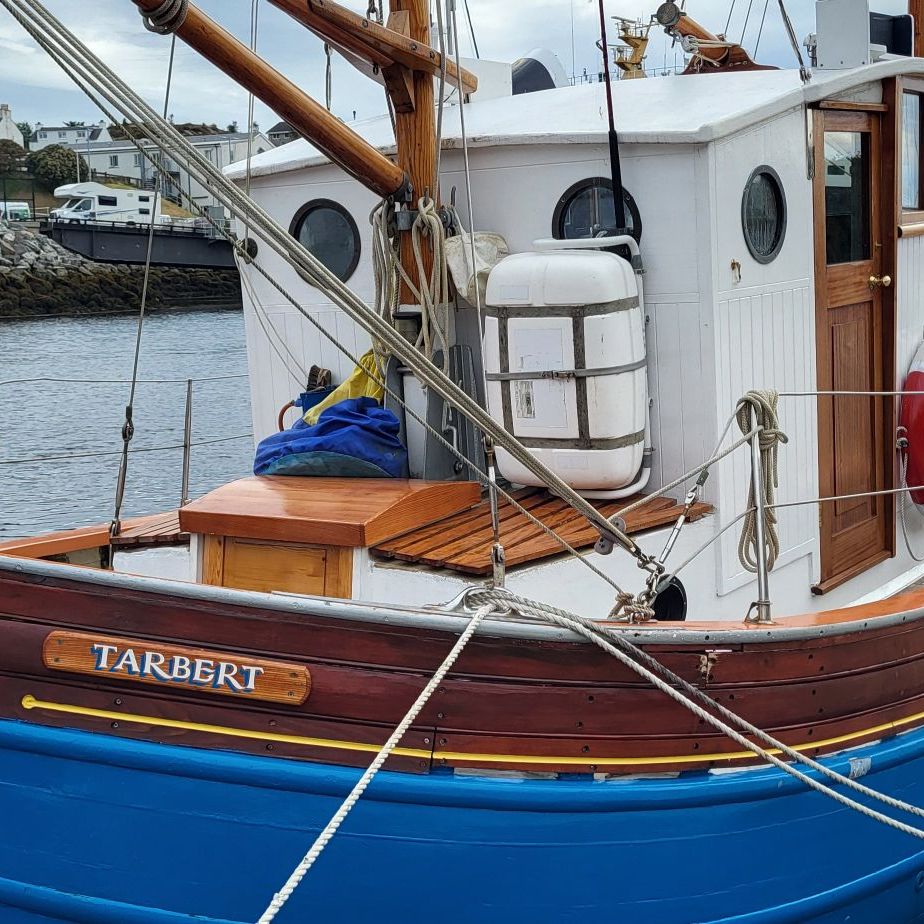
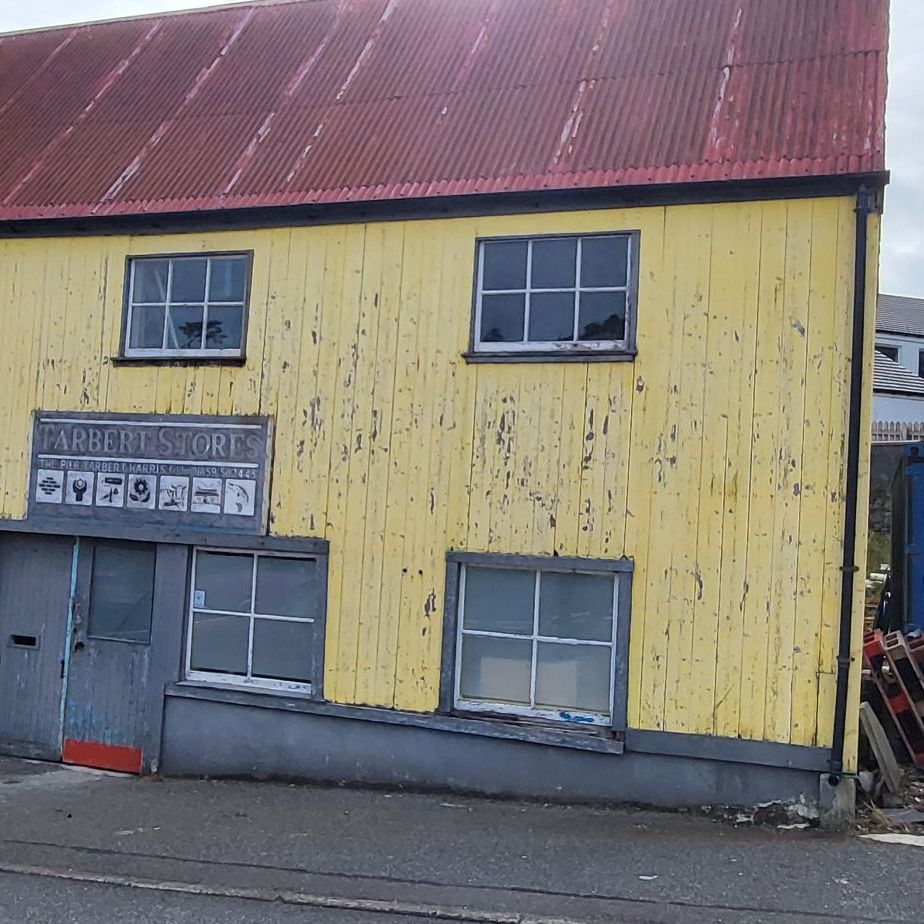
The plan was a day in Tarbert before pressing south to the Uists, but the weather up here rarely reads the plan. Thursday was forecast to bring something strongish from an unhelpful quarter, which left us with the usual menu of options: motor into wind and sea (uncomfortable), beat into it (uncomfortable-ish, and longer, with three hours of foul tide thrown in as a parting gift), or simply not go. We were still weighing this up when we noticed a perfectly good gravelly beach sitting right beside the harbour wall.
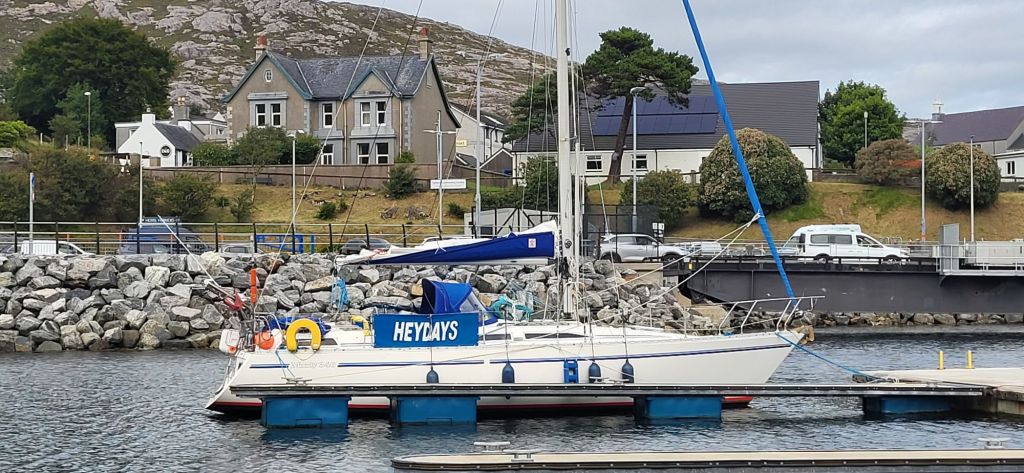
A word with Kiki, the incredibly cheerful and helpful Harbourmaster, secured us the loan of his pressure washer. We’d noticed Heydays losing a little speed through the water lately, so the decision rather made itself: we would stay, and beach her on Wednesday.
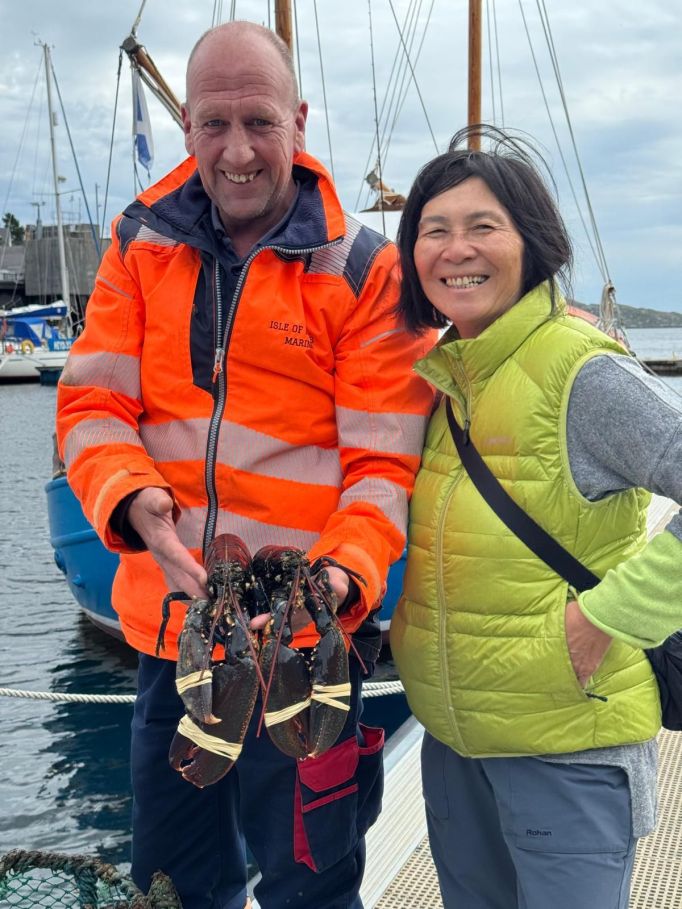
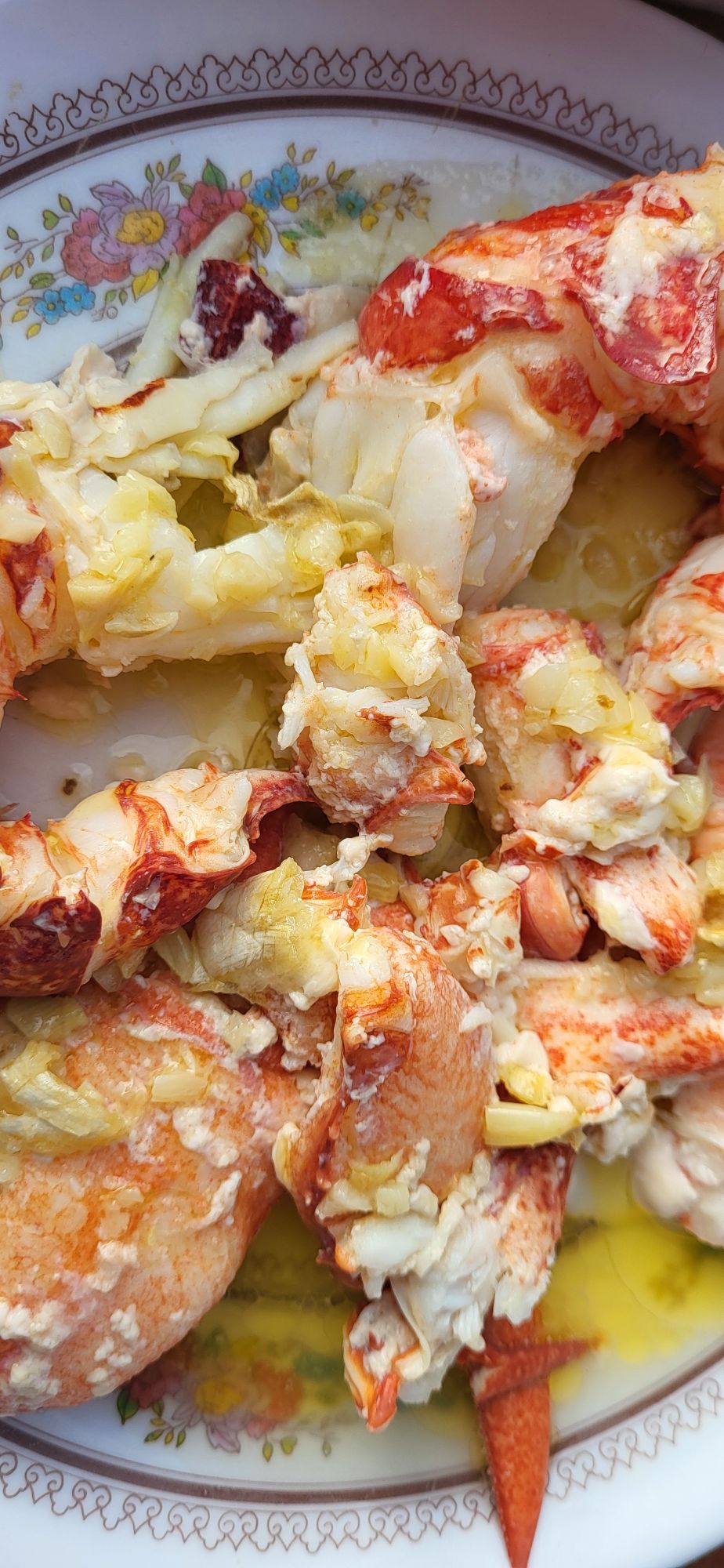
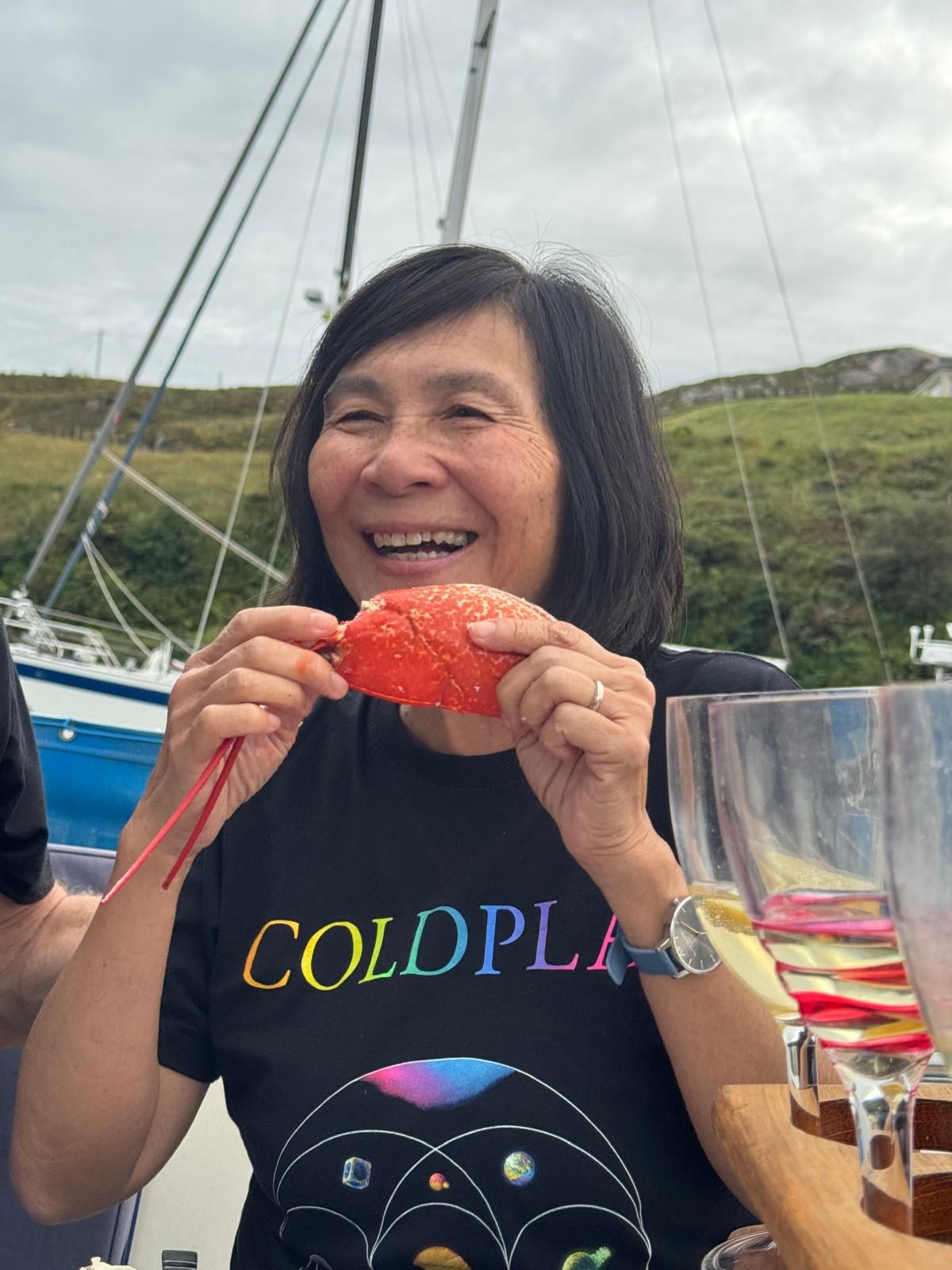
The same conversation with Kiki revealed he also keeps a few lobster pots. Not free this time (he resisted Yee Tak’s charms) but a couple of fresh lobsters later, dinner was sorted.
The village also runs to a surprisingly good deli and grocery selection, which came in handy for Chris, whose enthusiasm for seafood is, let’s say, measured, and who was glad of some non-lobster options for her own dinner.
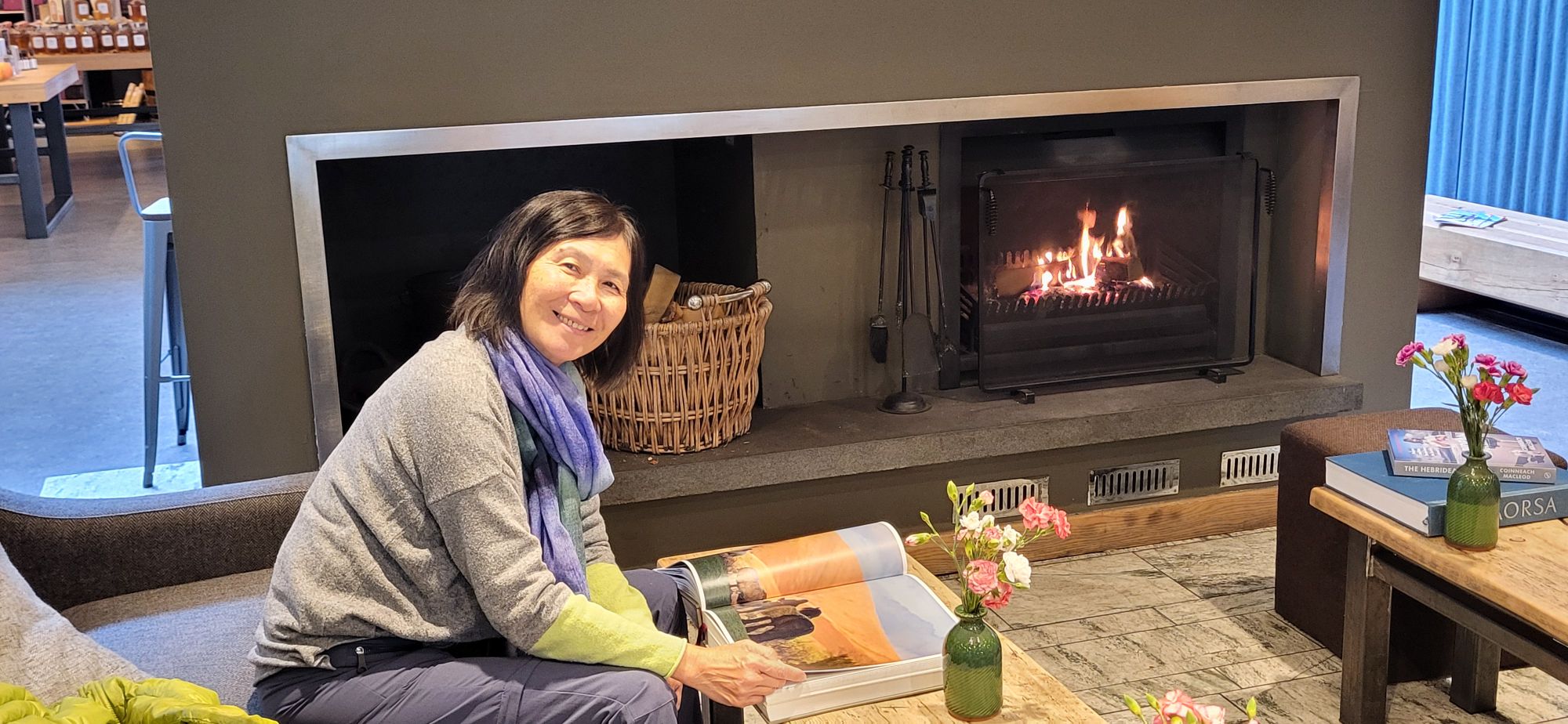
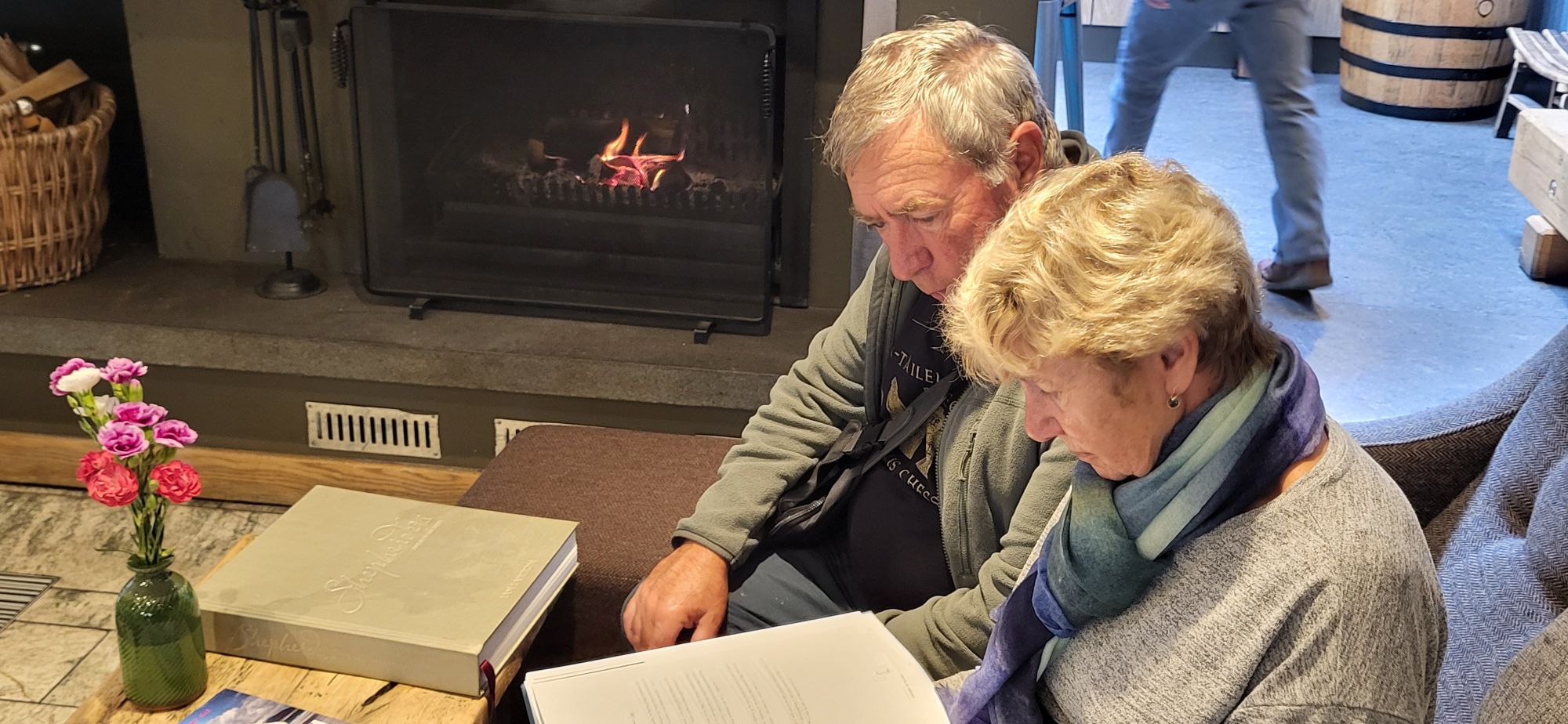
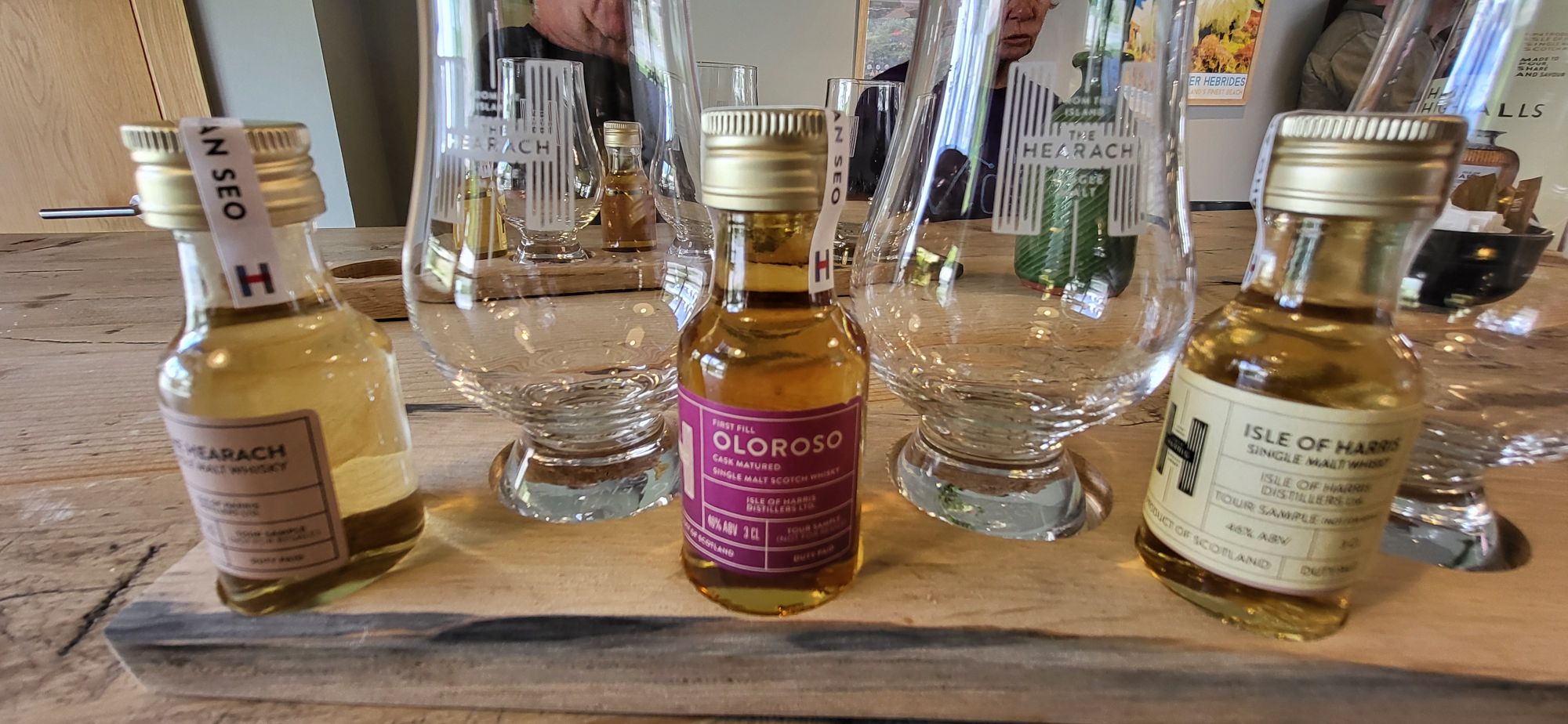
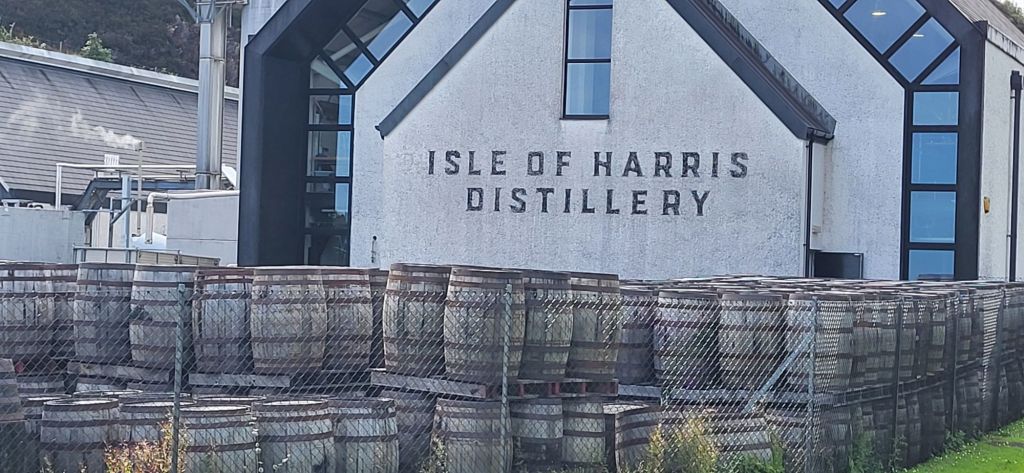
The distillery is young by whisky standards but observes proper Hebridean-summer form regardless, with a fire going and sofas comfortable enough to threaten the rest of the afternoon. A couple of tasting flights and a glass of their own Harris gin duly saw off what remained of it. Just the lobsters left to deal with.
Harris Tweed remains firmly in demand, even as the ranks of local weavers thin. The colours are extraordinary, and we did briefly entertain re-upholstering Heydays in it — a thought that survived approximately as long as it took to hear the price of £55 a metre.
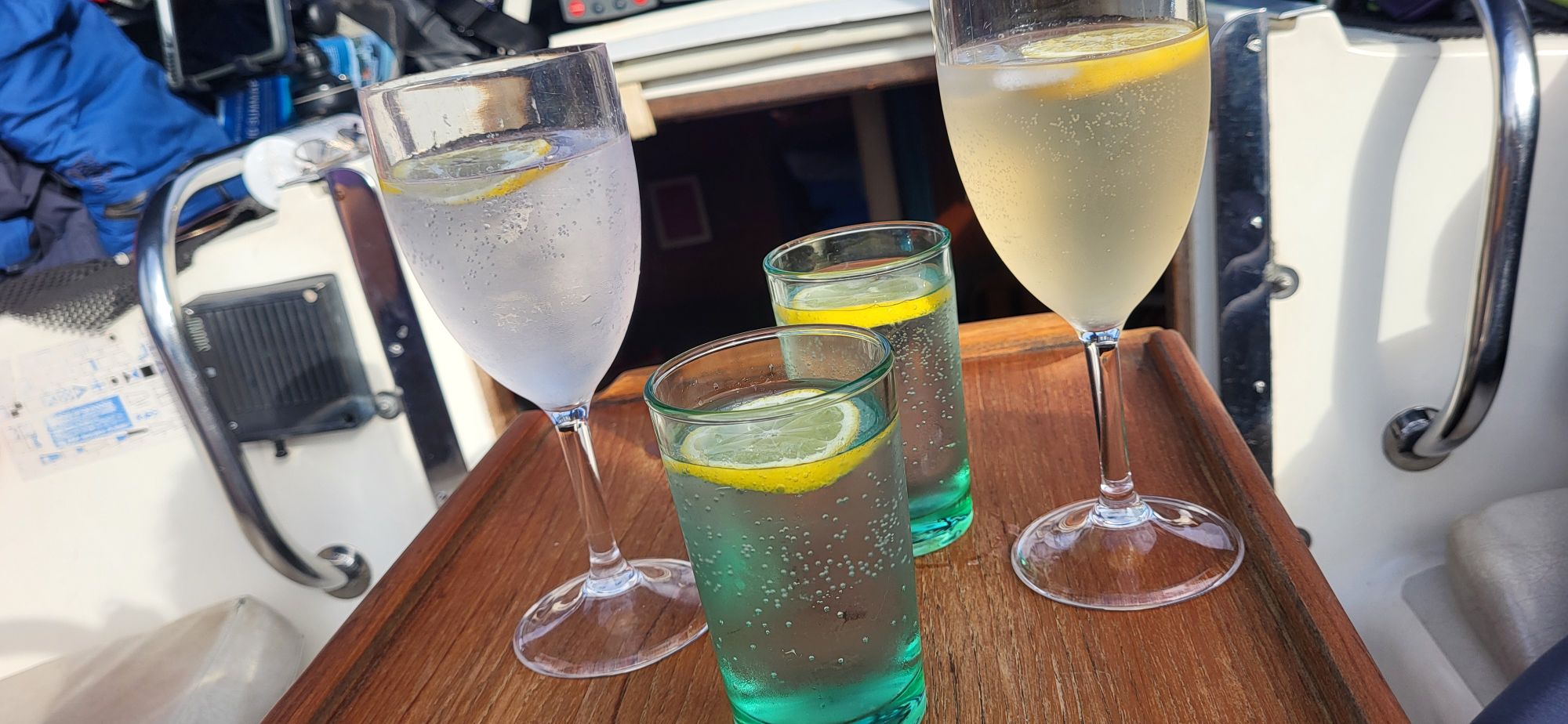
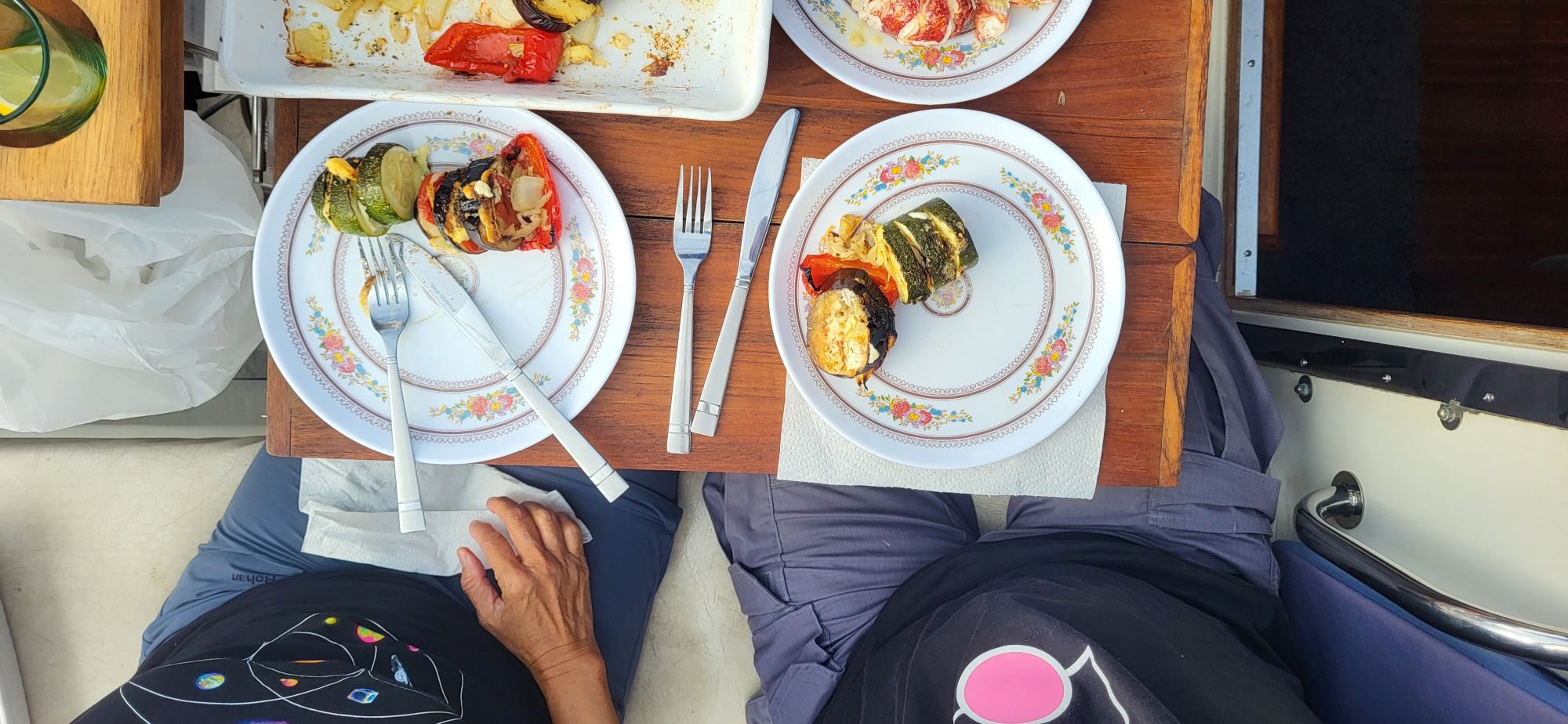
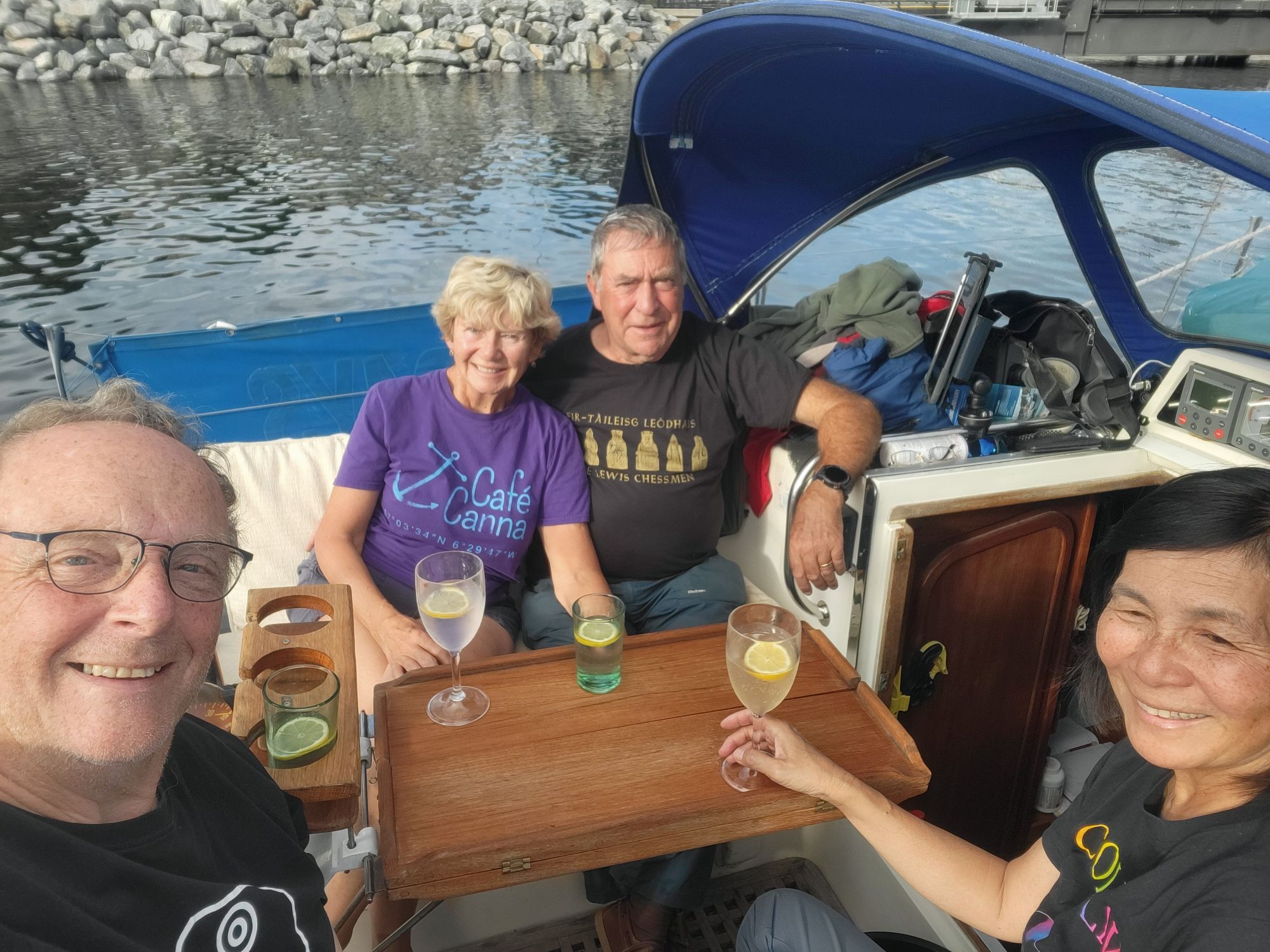
Dinner on board was a genuine 4 way collaboration with lobsters cooked and cracked, a cheesy veggie bake and a couple of fish cakes all preceded by some gin and washed down with the odd glass of wine…
The strong winds and squally showers of the last few days are gone and we are looking forward to a few days of lighter winds and maybe even something rain free.
The 6am alarm is its usual unwelcome arrival, but routine kicks in and the boat comes to life…warps and ropes made ready for departure, water topped up, sail covers unzipped…and the first coffee of the morning ready in mugs.
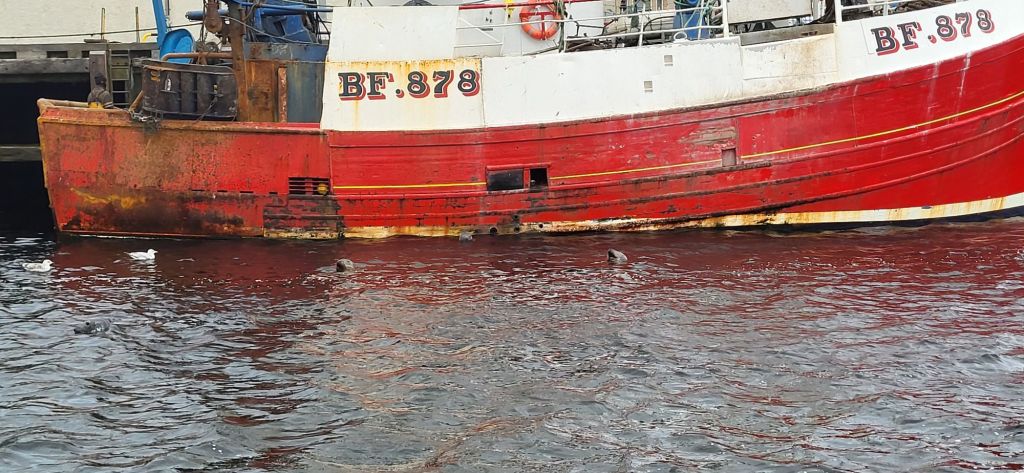
By 7am we have confirmed with the harbour authority that the ferry is clear and we can slide away from Stornoway into what is still a gloomy sky. The seal hanging around by the fishing boat shows us no regard at all, mostly on account of the fact that we have no handy fish guts to toss overboard…
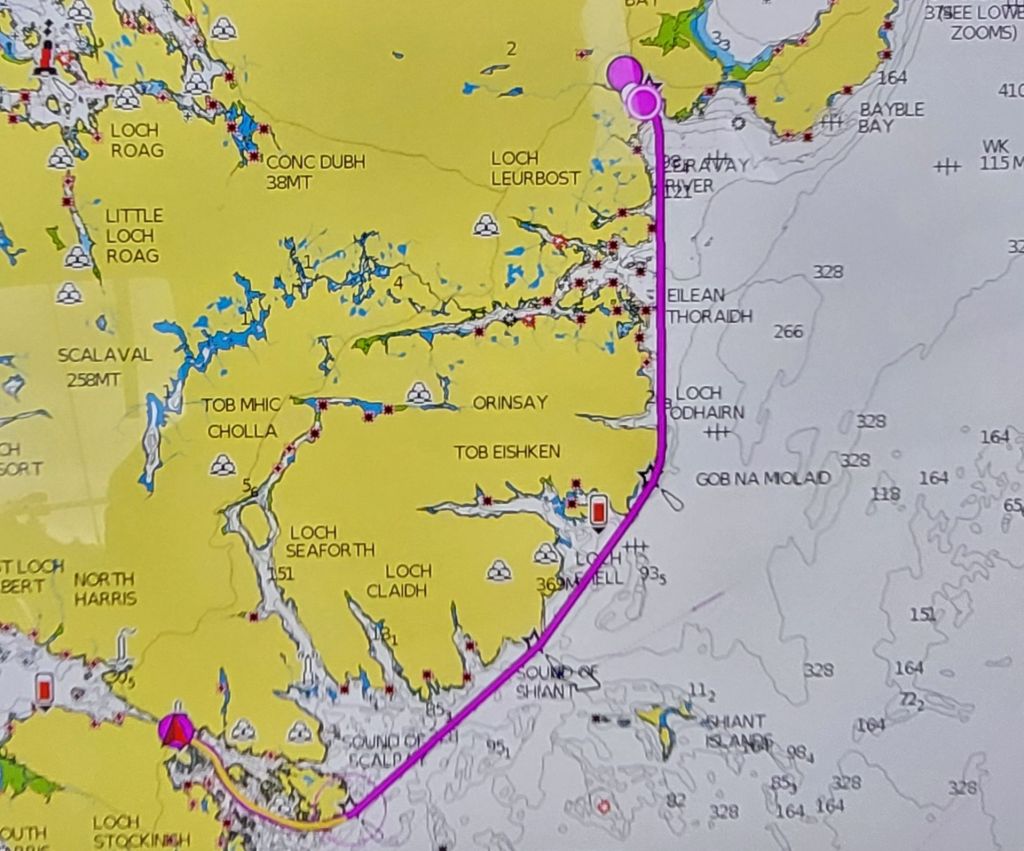
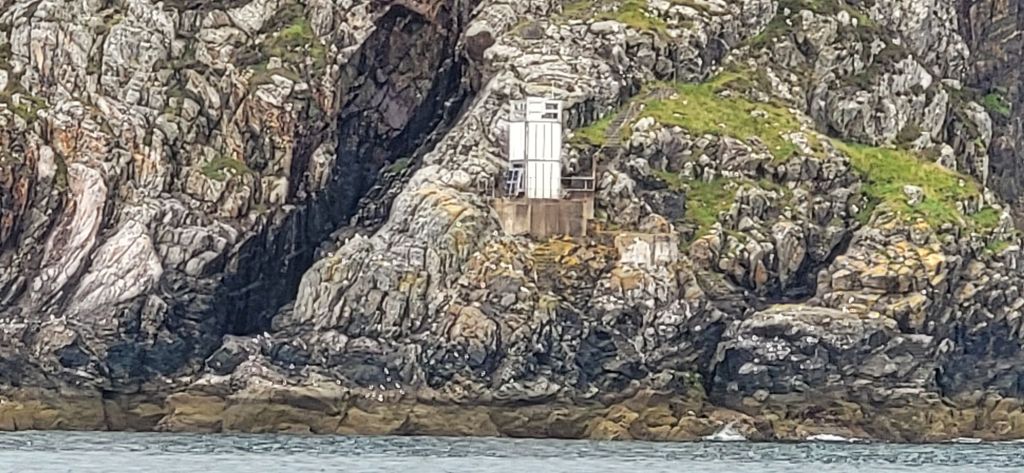
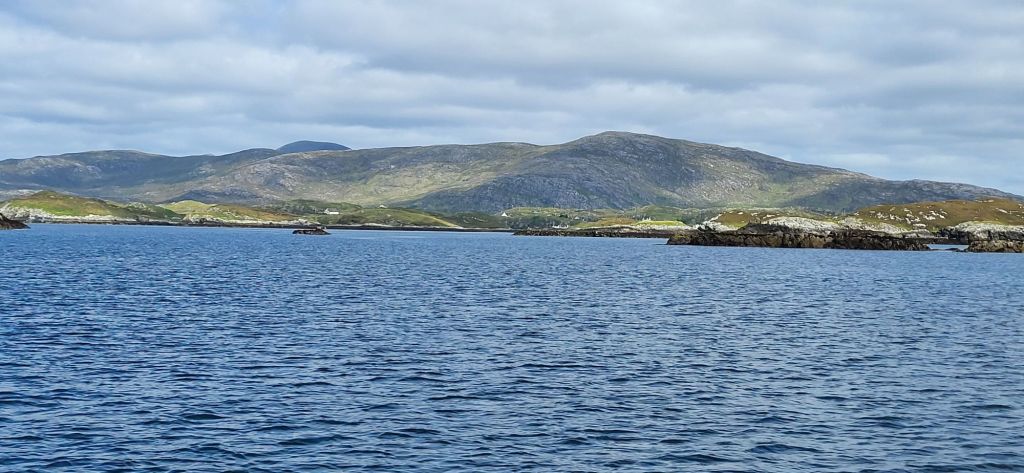
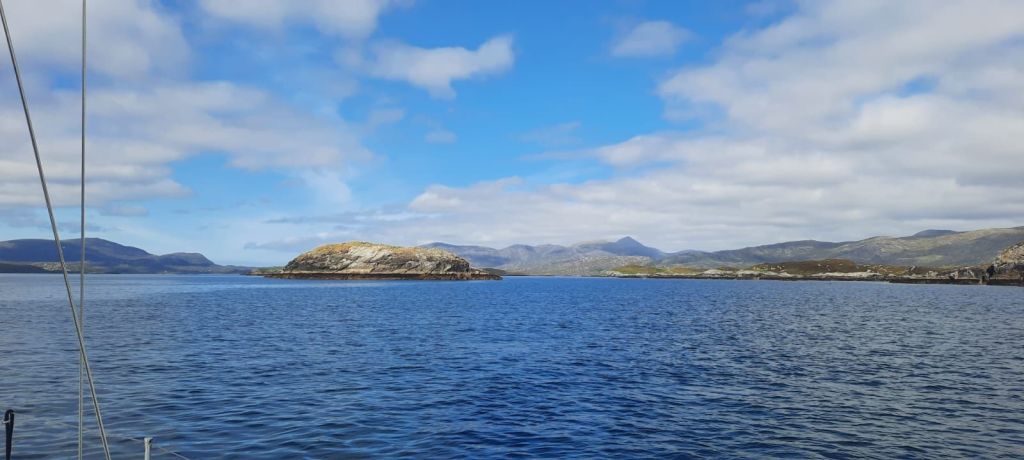
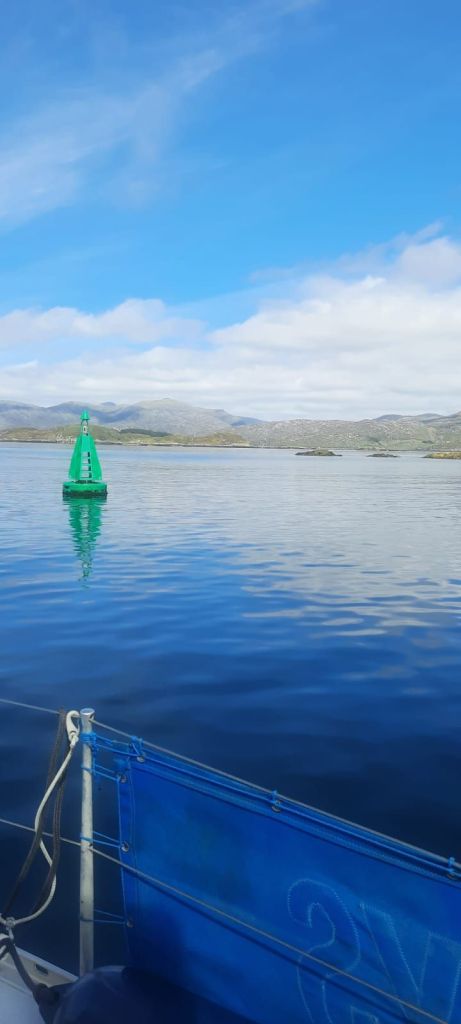
With such a rocky landscape, we are able to hug the coast….none of the wariness associated with the off lying sandbanks and shoals of our home waters…just a few rocks to contend with. Fortunately these mostly don’t move (at least not in our human timescale), and we can pass mostly within the proverbial biscuit toss.
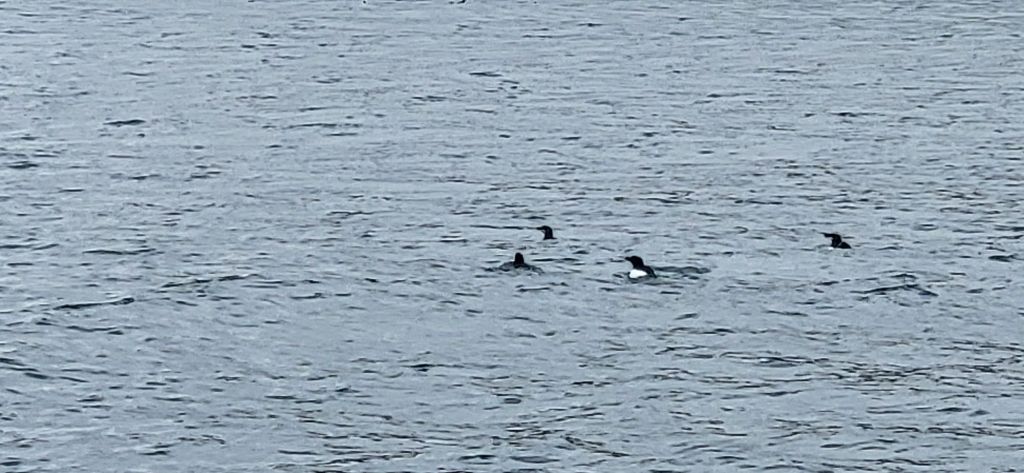
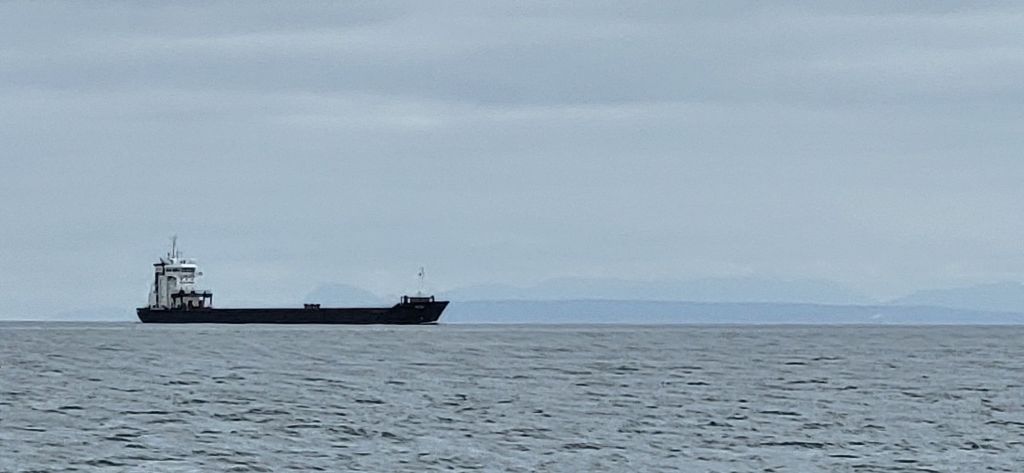
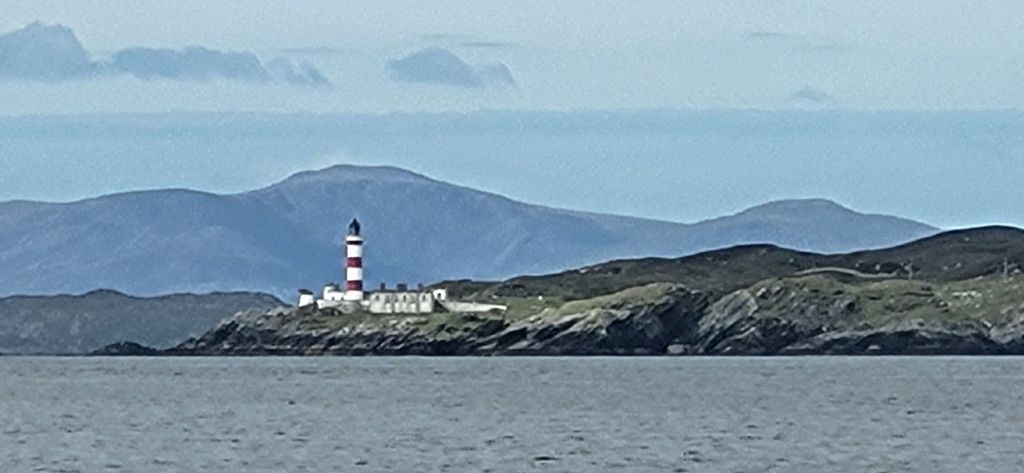
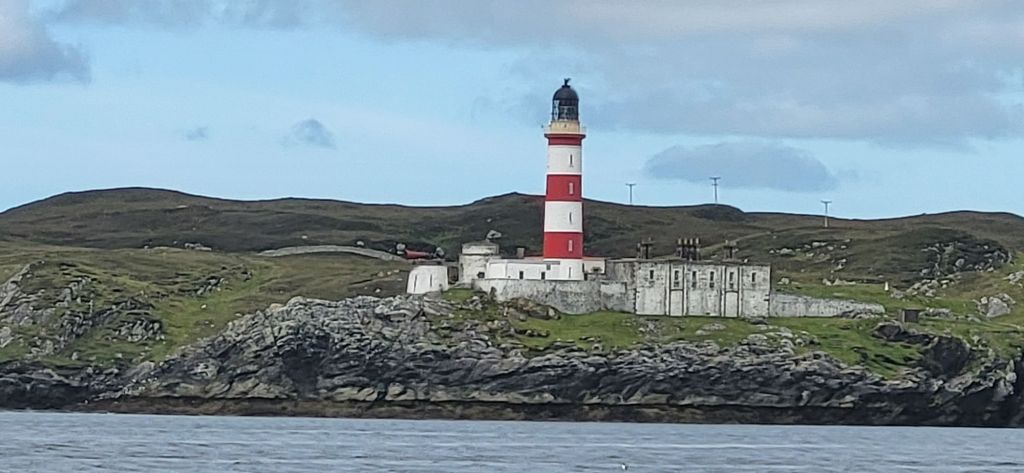
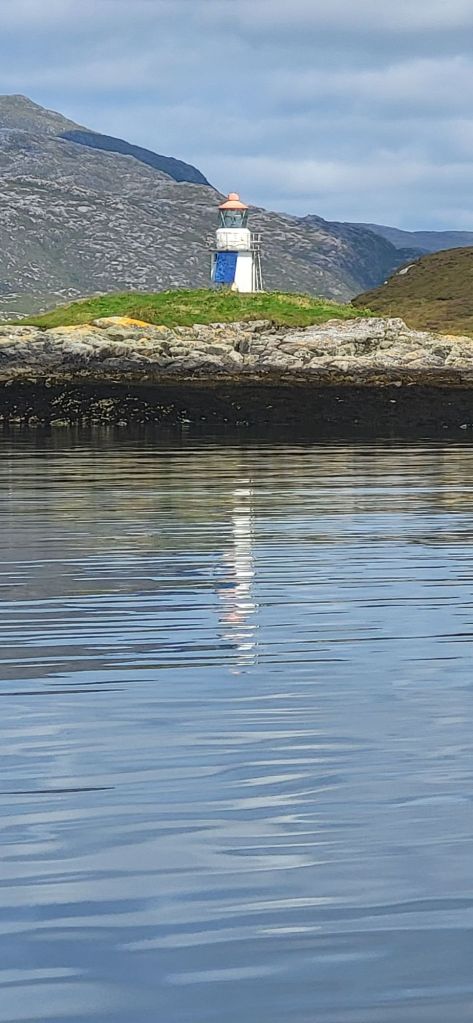
With a full main and genoa in light airs and a calm sea, we trundle on down the east coast of Lewis, accompanied by a small coaster making its way down the Minch, a couple of disinterested dolphins, the usual guillemots, and a cheeky tern which sits for a while on our mast, defying the others with some seemingly furious cries. The rocky coast slides past with its Lewis Gneiss, waterfalls and occasional light…and Skye looming in the background….
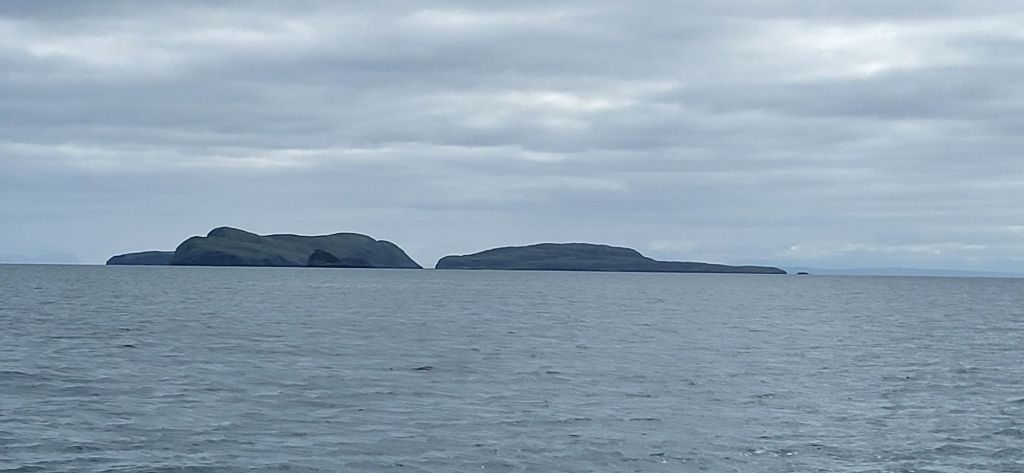
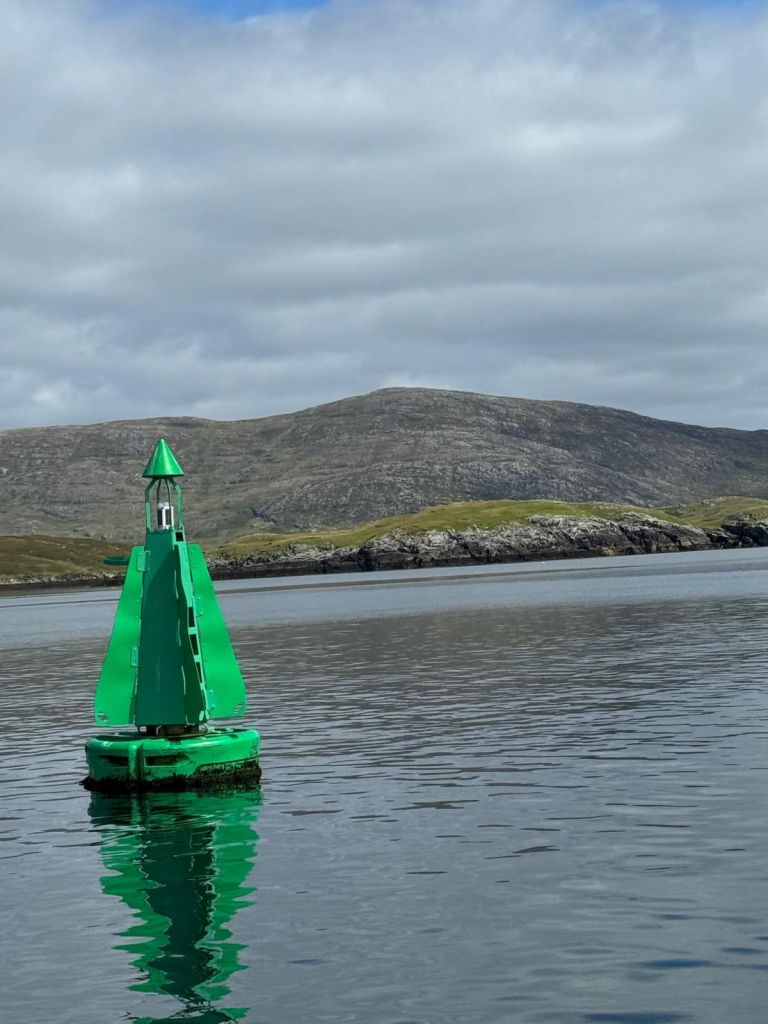
Off the light house at Gob Na Miolaid we start to turn a bit more west and into the wind, which has now dropped to a barest puff. Needing to get past the Shiant Islands before the tide turns, we furl the genoa and turn our boat once more into a diesel hybrid.
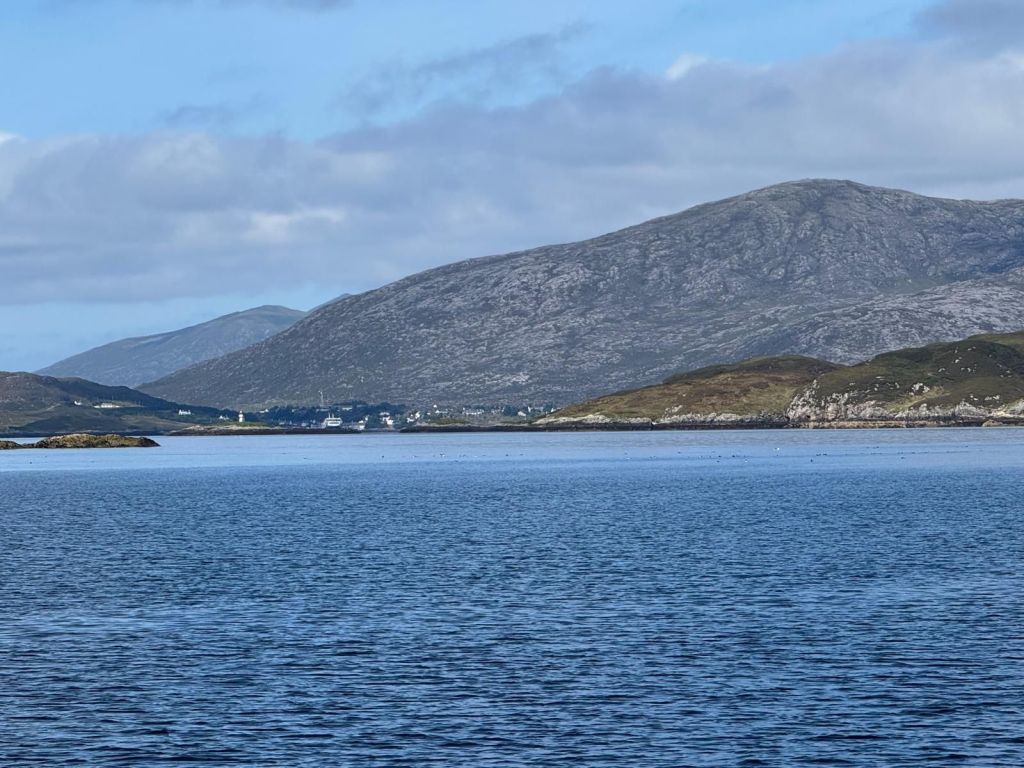
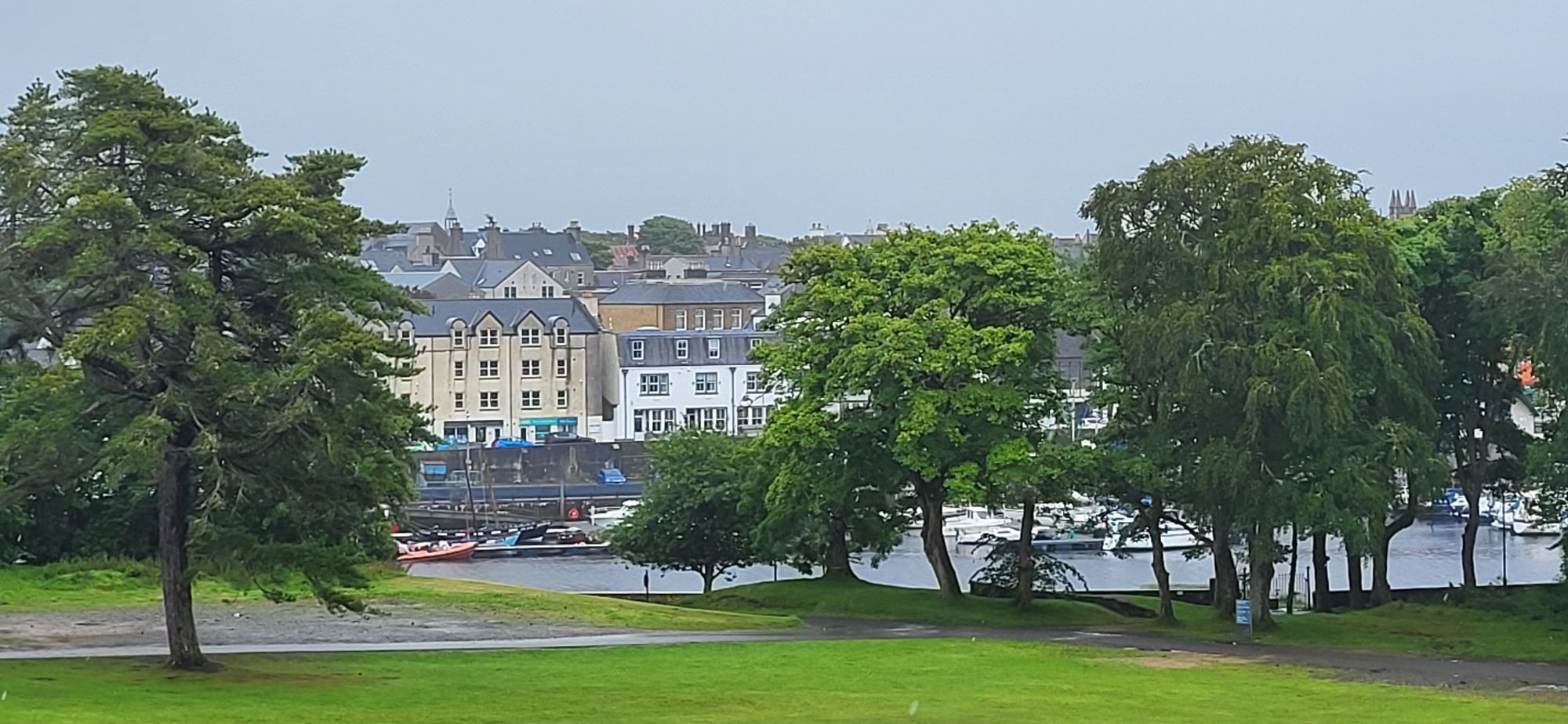
The sea becomes ever more glassy and as we round Scalpay, the sun greets us over Tarbert (not to be confused with Tarbert on the mainland!).
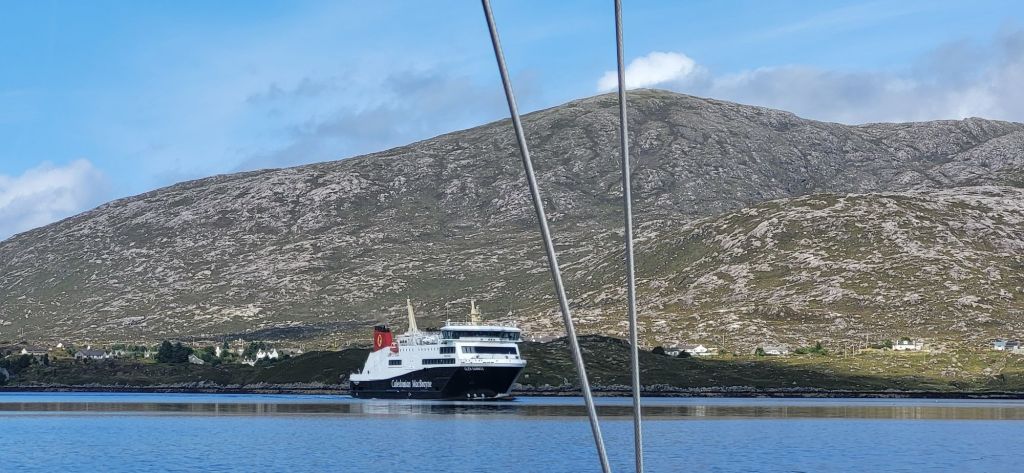
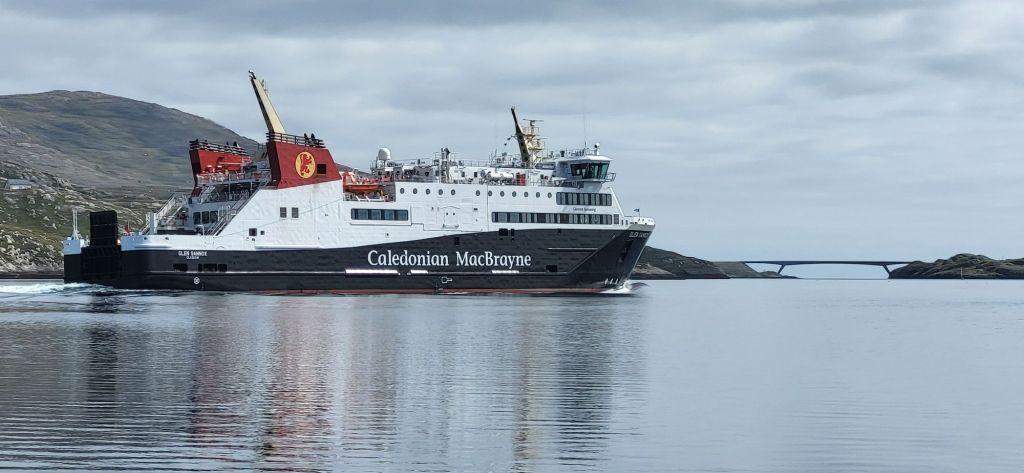
Calmac leaves and the harbourmaster is waiting to greet us on the pontoon….what service. The little harbour here has been recently renovated, but we have our choice of places…none of the mad late afternoon scramble often encountered in the Solent…..
Ashore, we are too late for the distillery which is handily placed right at the end of the pontoon…oh well….we’ll just have to stay another night…
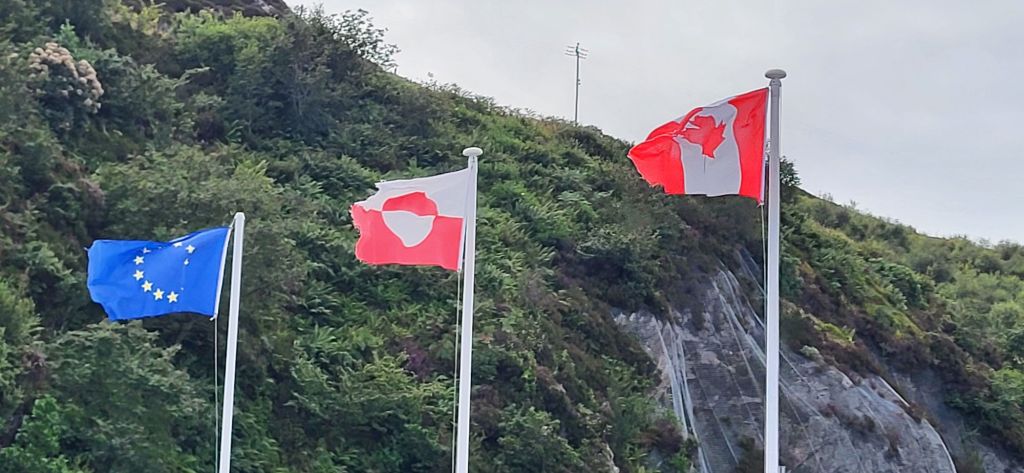
Footnote: Three flags at the end of the pontoon…EU, Greenland and Canada…what could they possibl;y have in common we wonder, apart from possibly, the subject of the ire of a certain North American President!!
Last year, in Arklow, we fell into conversation with a couple on a boat called Restless (Ann and Tim) on the strength of restless having “Stornoway” painted on her transom. Since we had hopes of getting here ourselves one day, this seemed sufficient grounds for a chat. It transpired she was actually from Oban, and it was they who first pointed us towards Peter May, a local author responsible for a trilogy of detective thrillers set up predominantly in Lewis and Harris. We have all now read them, and are agreed that they are really pretty good. A visit to the tourist information office gave us a leaflet and map identifying the key locations, and we have been treating the island as a literary I spy ever since.
We should note for the sake of accuracy, that the weather has been grim since our arrival and shows no sign of improving before Monday. As this is being written the wind is getting through the rigging at an alarming rate, comfortably over 25 knots, with a noise best described as something out of a cheap horror movie. Monday looks more promising, so in the meantime we have hired a small car for a couple of days of land-based sightseeing, weather having made the sea-based variety unadvisable.
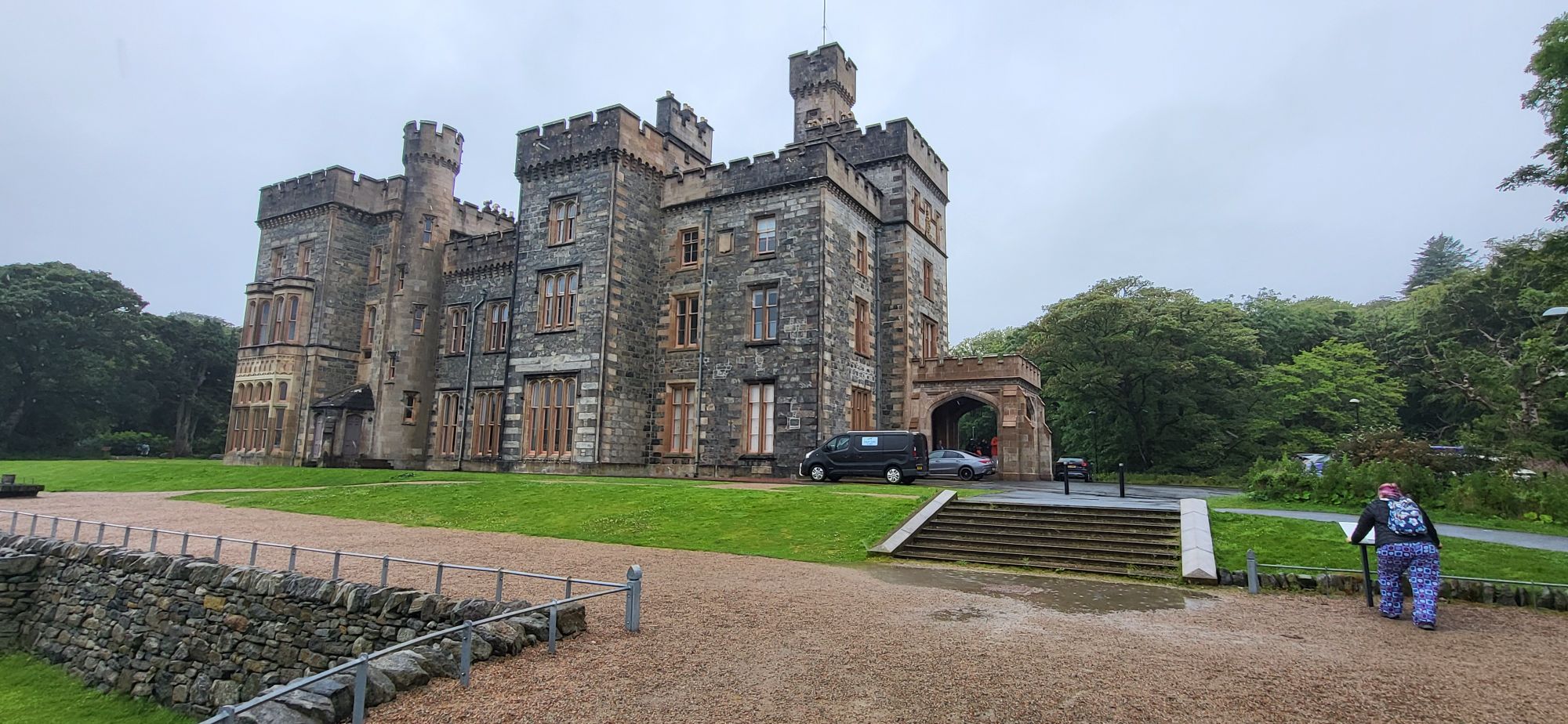
The castle, it turns out, is a relative newcomer as these things go, nineteenth century, and for all its grandeur carries a history one would not choose to have inscribed on a family crest. One James Matheson made his fortune selling opium to the Chinese, a detail of particular interest to Yee Tak given the wider history of Hong Kong, and used the proceeds to buy up a dilapidated castle, which he then rebuilt entirely, having first cleared the local crofters and demolished a village that had the temerity to interrupt his view. A most public-spirited gentleman.
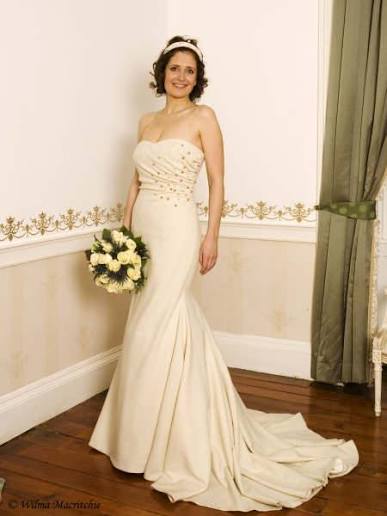
The attached museum, happily, redeems the visit, compact enough not to feel like a forced march, and full of genuinely good material on Hebridean life. A lovely lady there took us thoroughly under her wing, and was so taken with the subject of Alyth McCormack’s wedding that, well past closing time, she was still pulling photographs from drawers to talk us through a dress woven in fine white Harris Tweed. (Alyth McCormack is a noted local Gaelic singer, long associated with The Chieftains.)
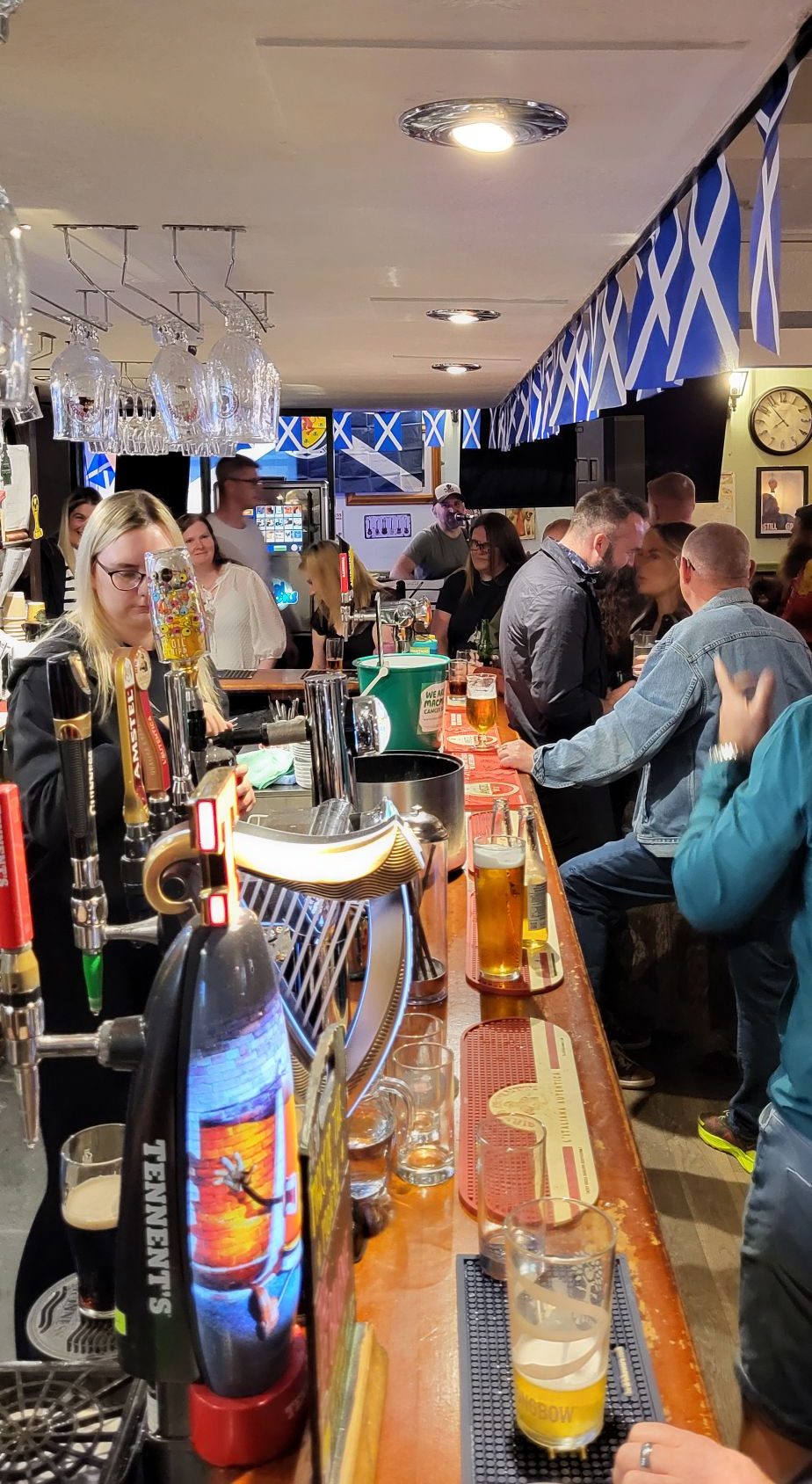
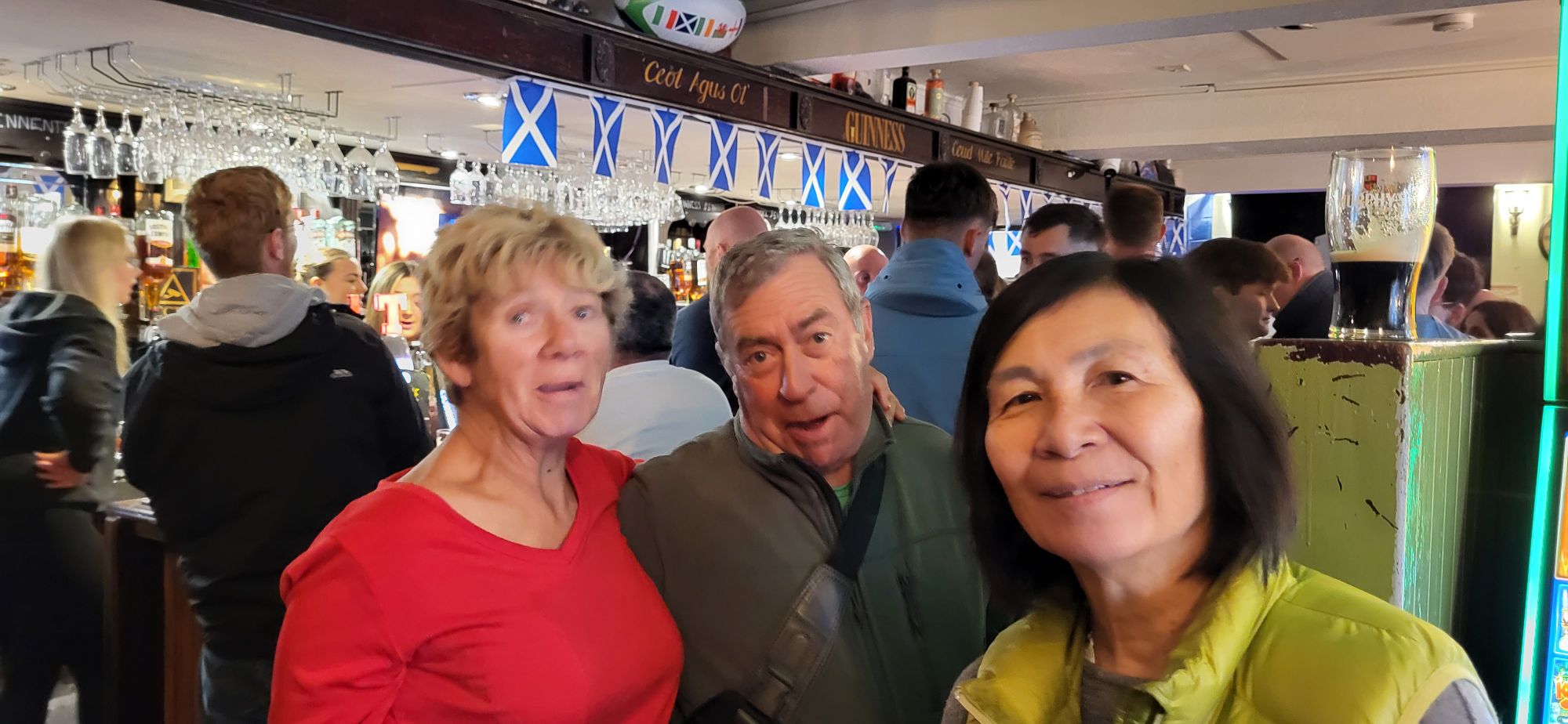
From there we repaired to McNeill’s Bar, another haunt of Fin Macleod, Peter May’s detective, we are trying hard not to turn into some sort of Hebridean version of I-Spy, with limited success. It is a proper old-fashioned boozer, refreshingly unburdened by gastro-pub pretensions or artisanal olive oil.
The night delivered pounding rain and rigging-whistling wind in equal measure, neither showing the slightest inclination to ease off by dawn. We heard that a cruise ship, due in, had abandoned the attempt and pressed on to Iceland instead, apparently they could have got in well enough, but the forecast made getting back out again look unwise.
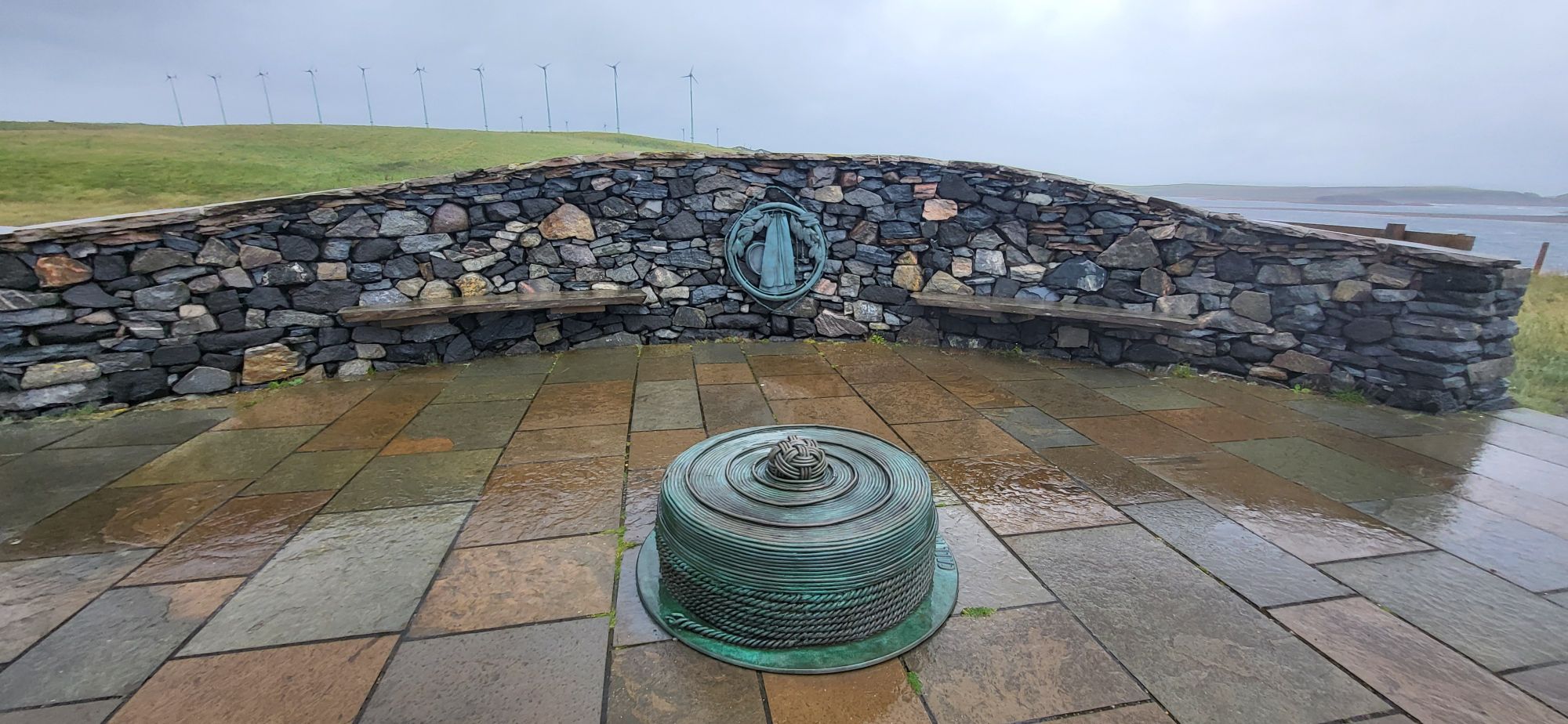
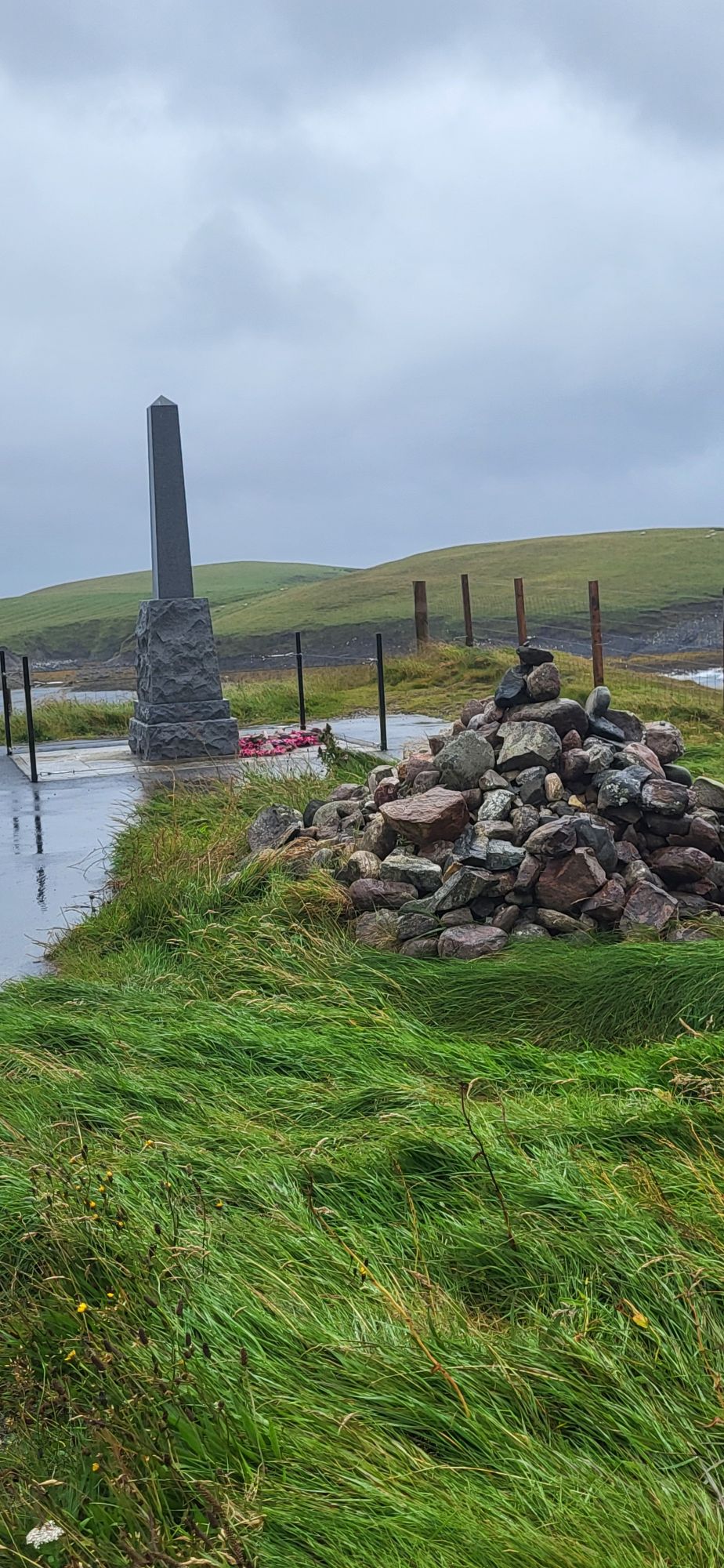
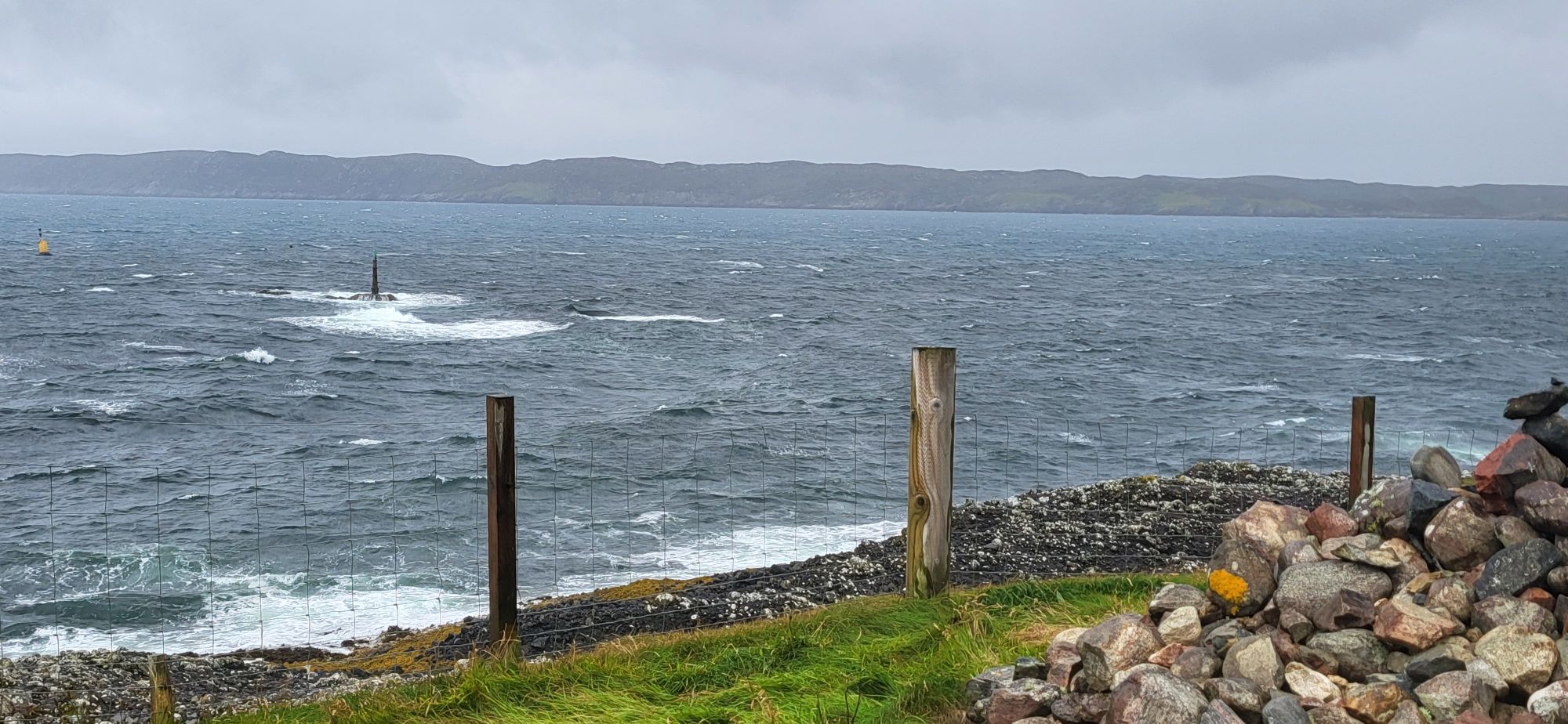
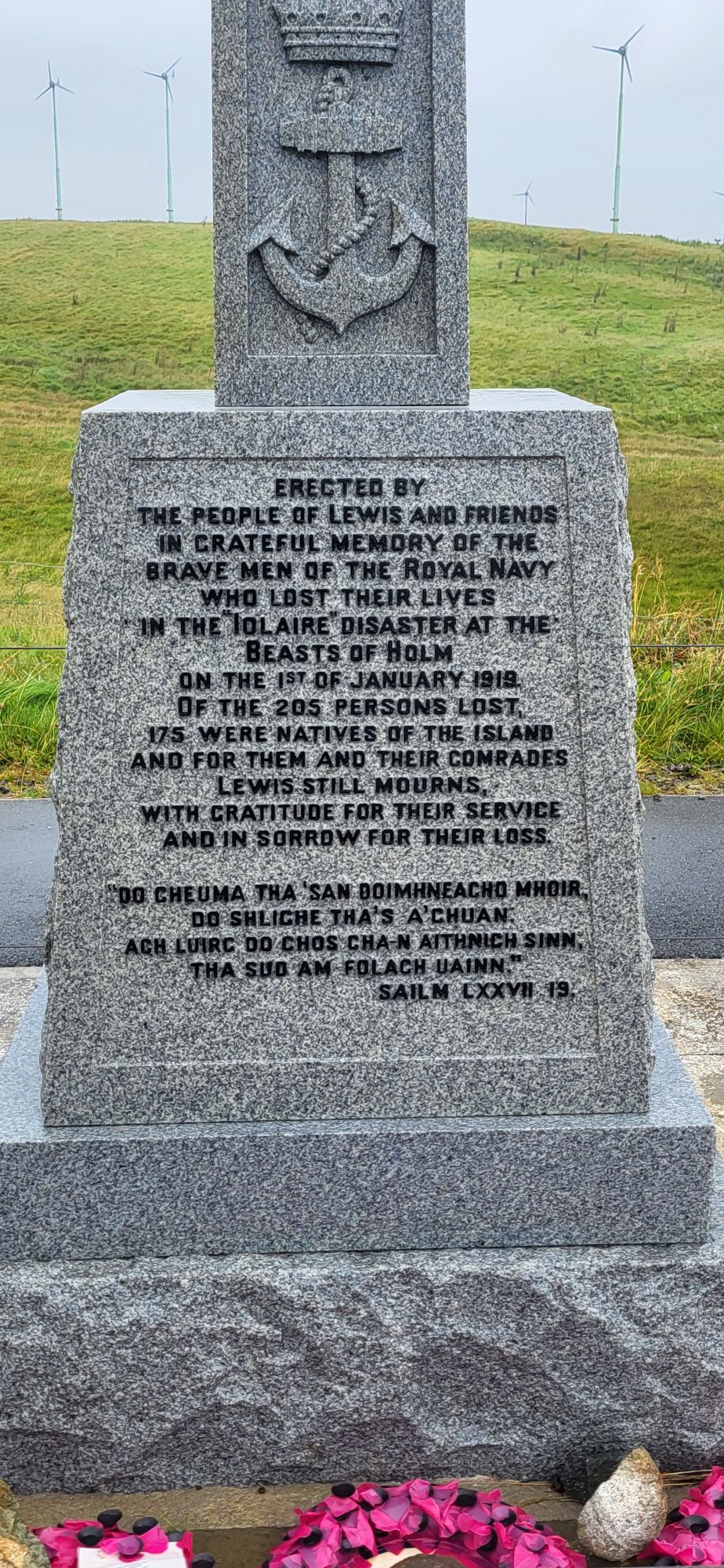
We started our little car tour by visiting the site of a disastrous shipwreck just ouside Stornaway. The Iolaire was carrying navy reservists home for leave when, with an inexperienced skipper and crew, she struck the rocks which we hasd passed just a day earlier. The sites of these tragedies are always quite emotional to visit, but this was made all the more poignant by the fact that we visited in a near gale and could understand the horror of men losing their lives just a few meters from the shore…
It became apparent to us, speaking to some local folk, that this is still a raw and needless tragedy which touched most families on Lewis…
Our little car excursion then took us through the geography of the novels proper: the house Fin grew up in, his aunt’s house, the site of the fictional body’s discovery, the church and the manse, all real, all rather wonderful to stand in front of. Despite the driving rain and gale-force wind, or perhaps somewhat because of them, we felt we were beginning to understand these remote and occasionally inhospitable islands — and perhaps even to glimpse why they might incline towards a dour and faintly vengeful strain of Christianity.
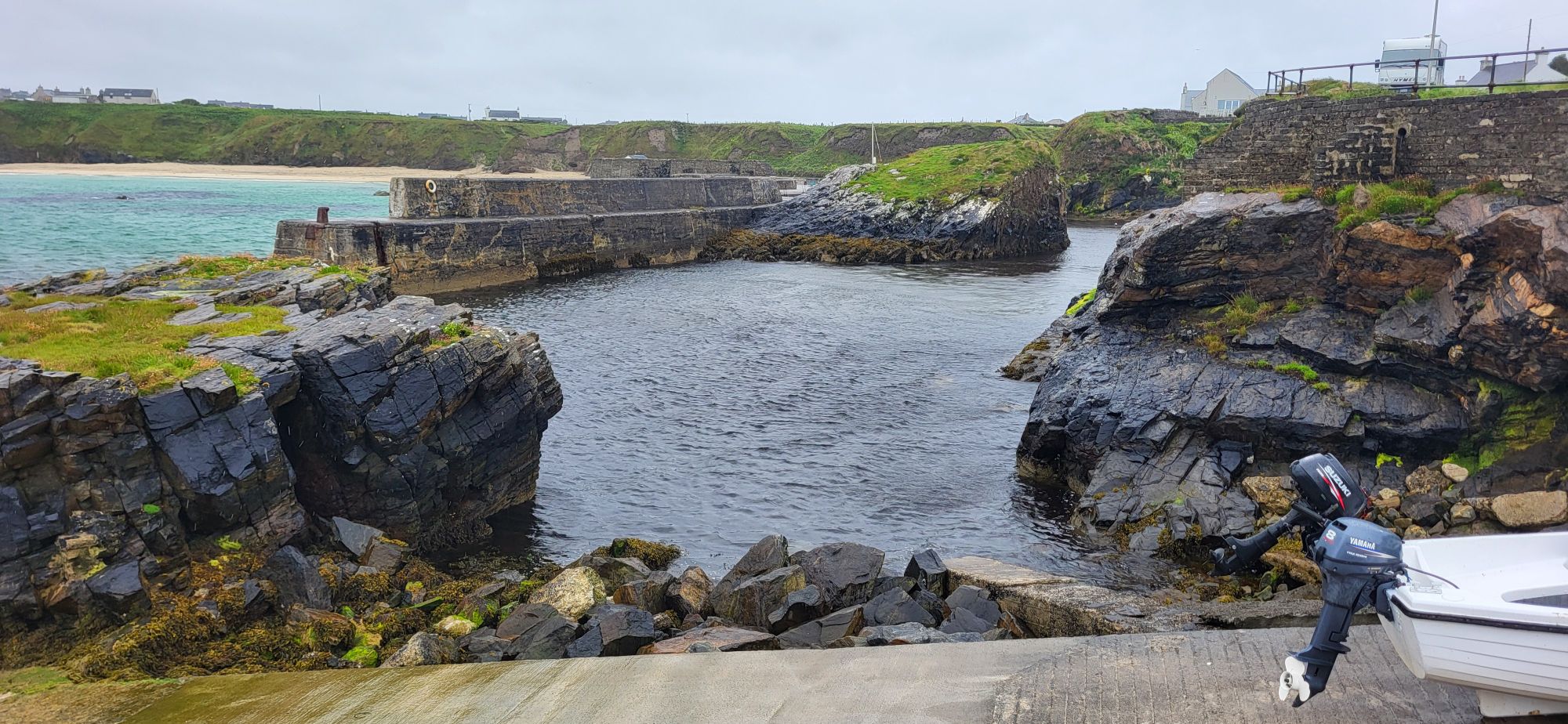
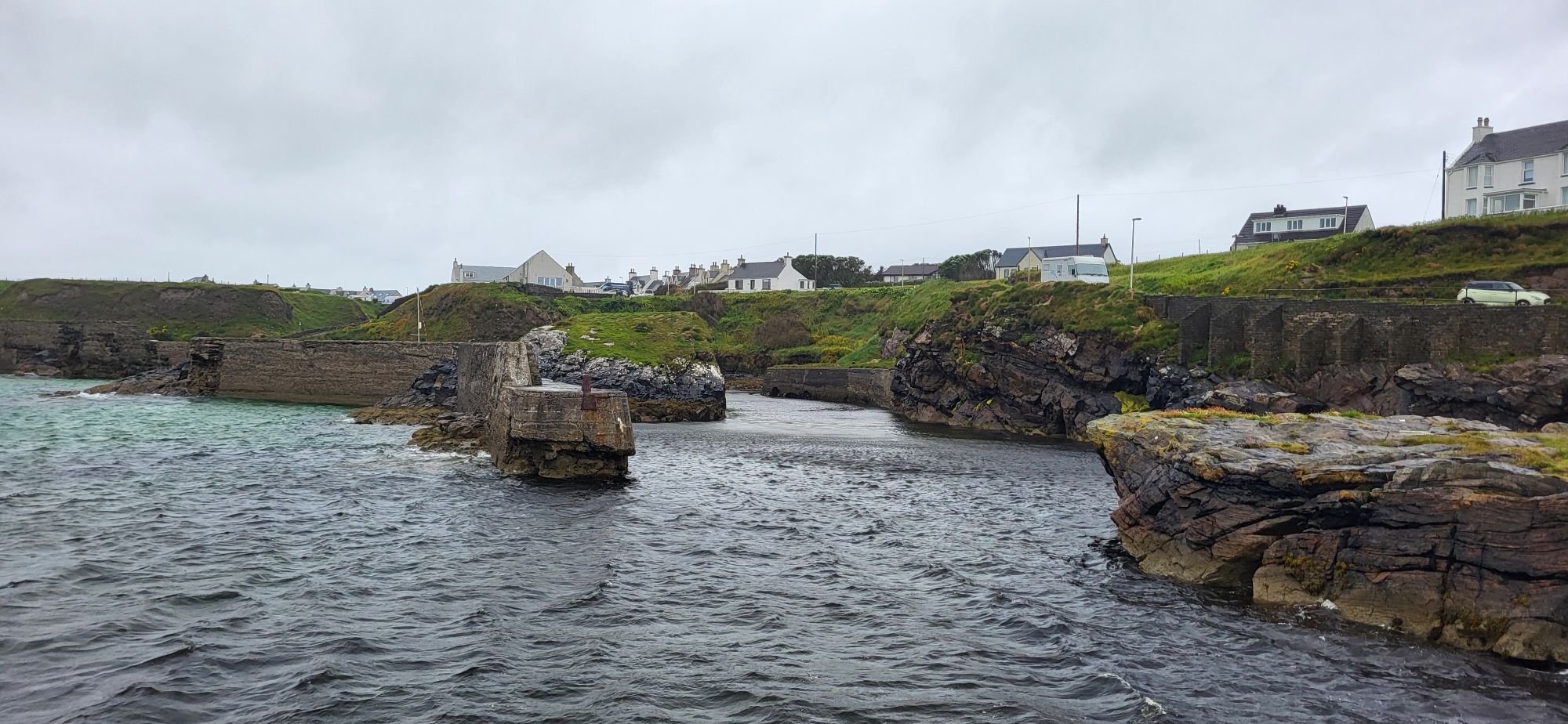
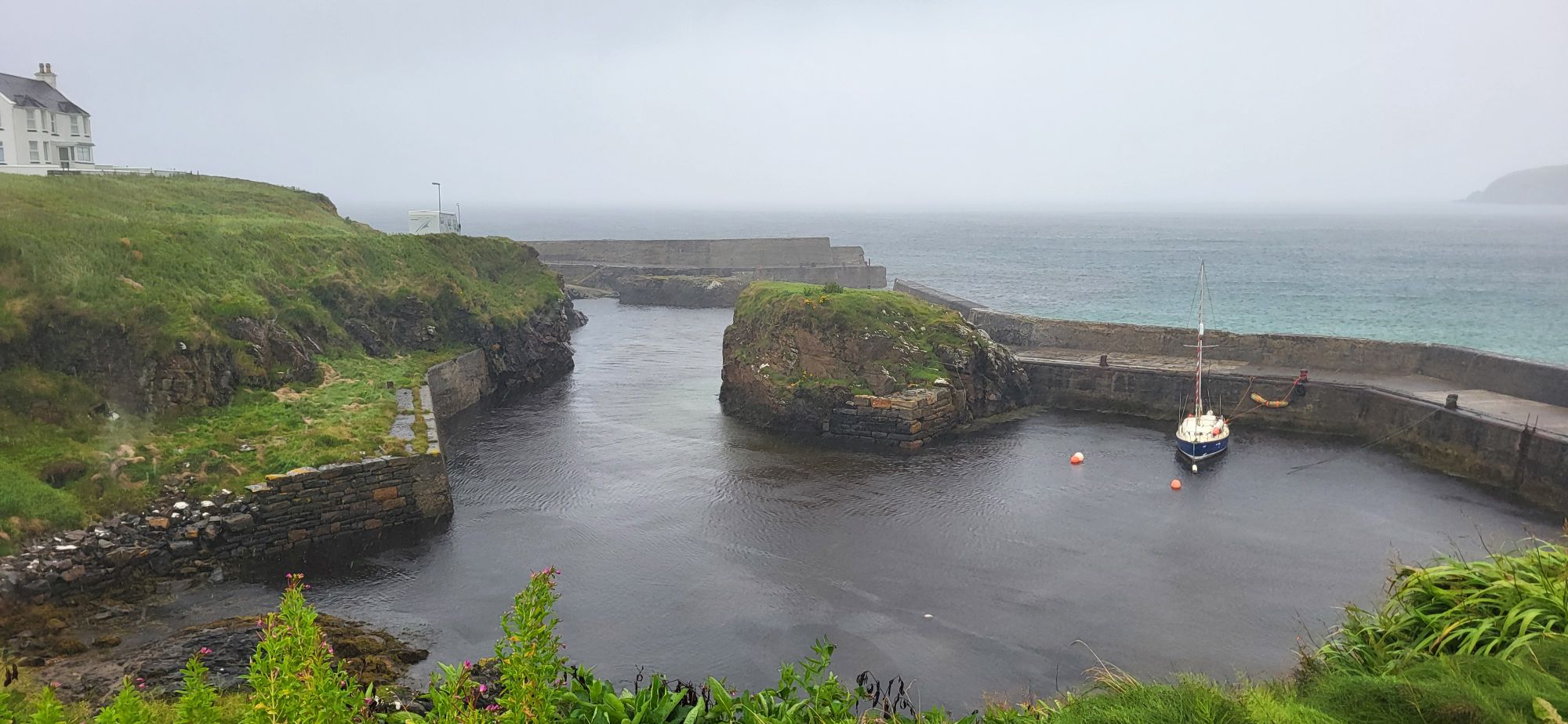
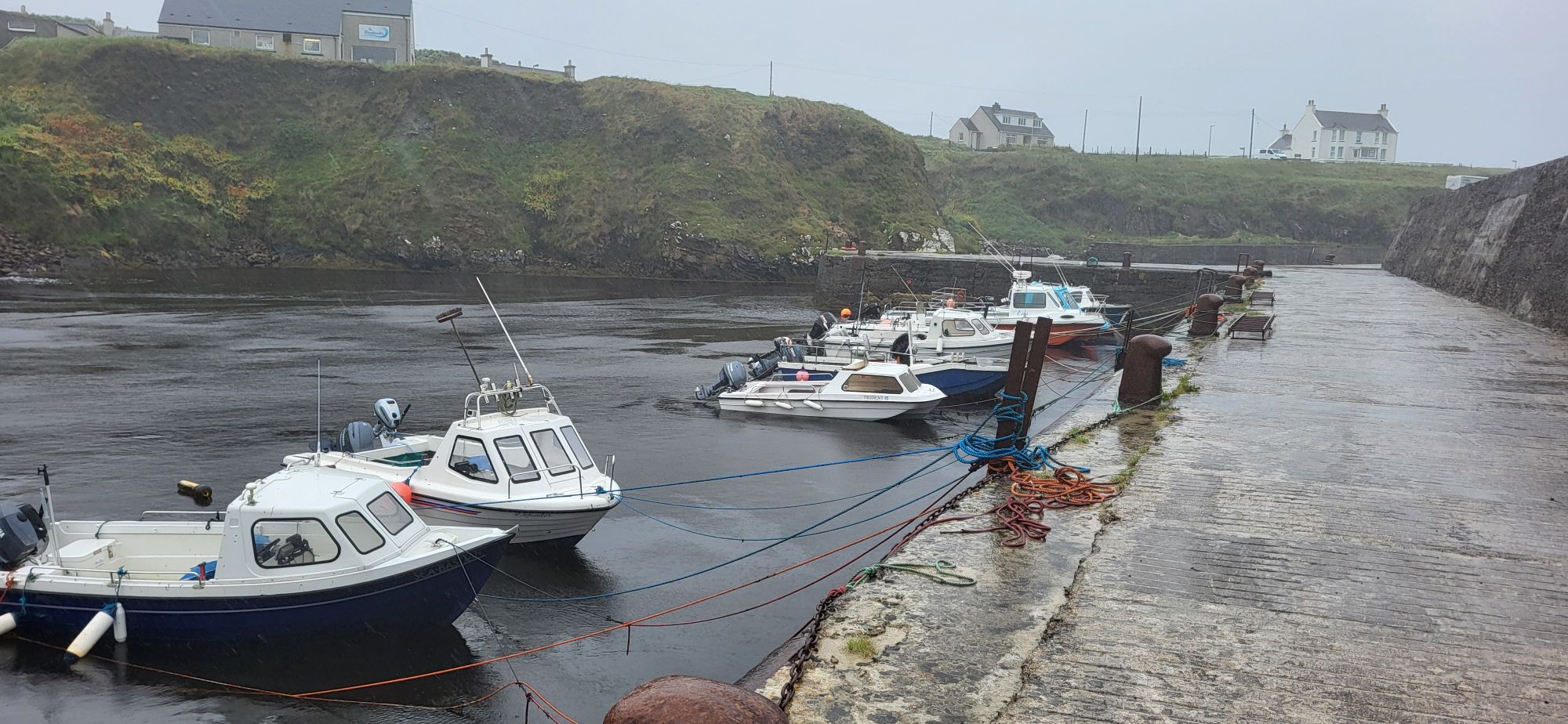
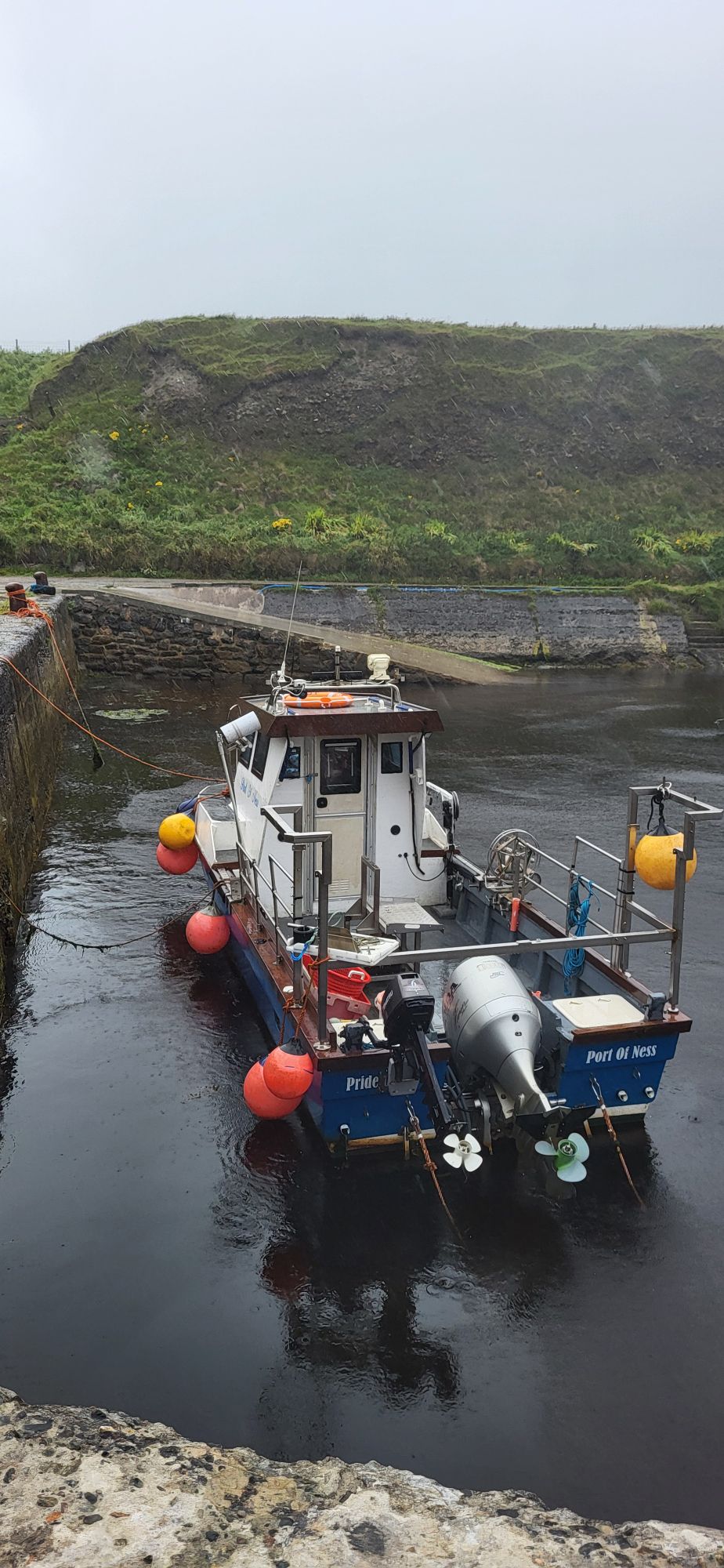
The little harbour at the very northern tip of Lewis, Point of Ness, seems impossibly tight and narrow to even think of entering in calm weather, let alone in the 140 out of 360 days when a gale blows…
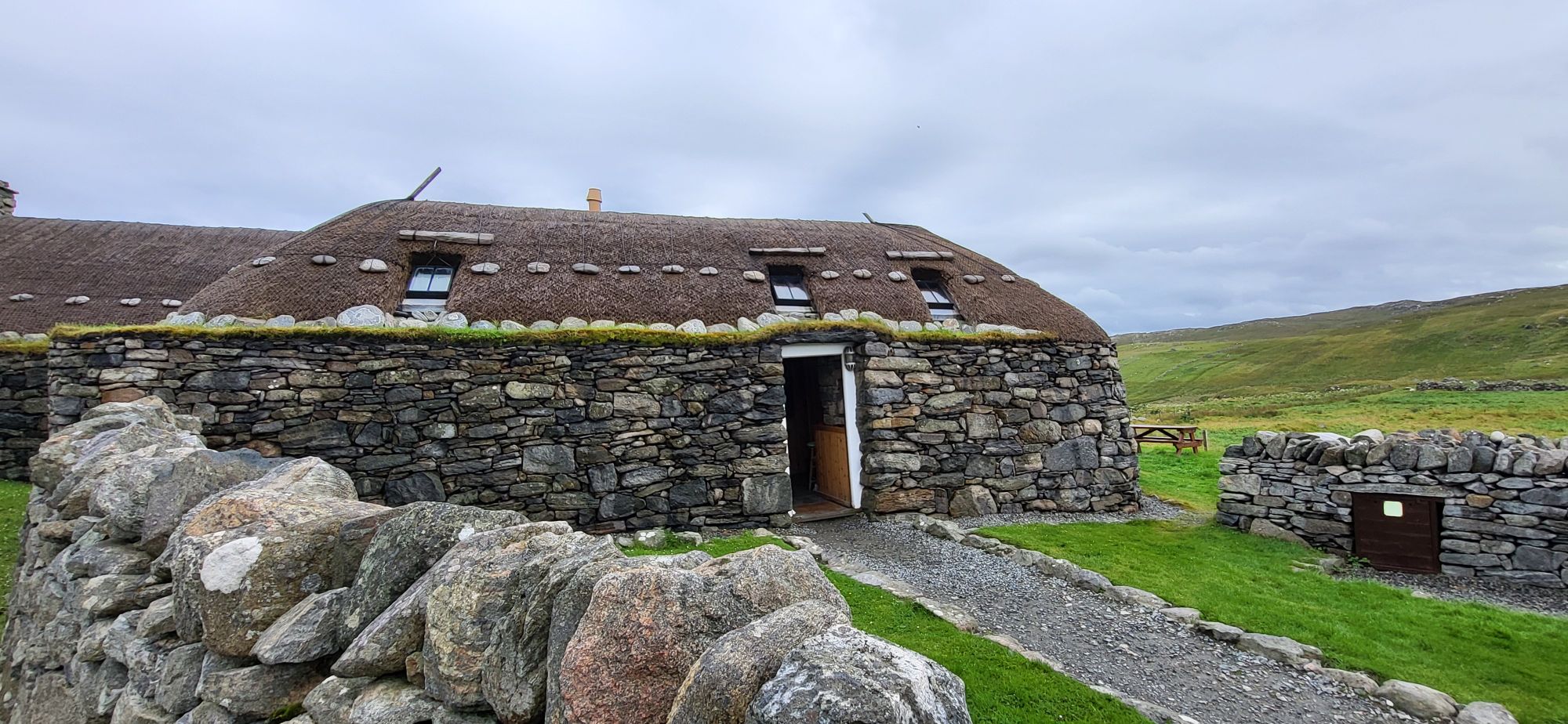
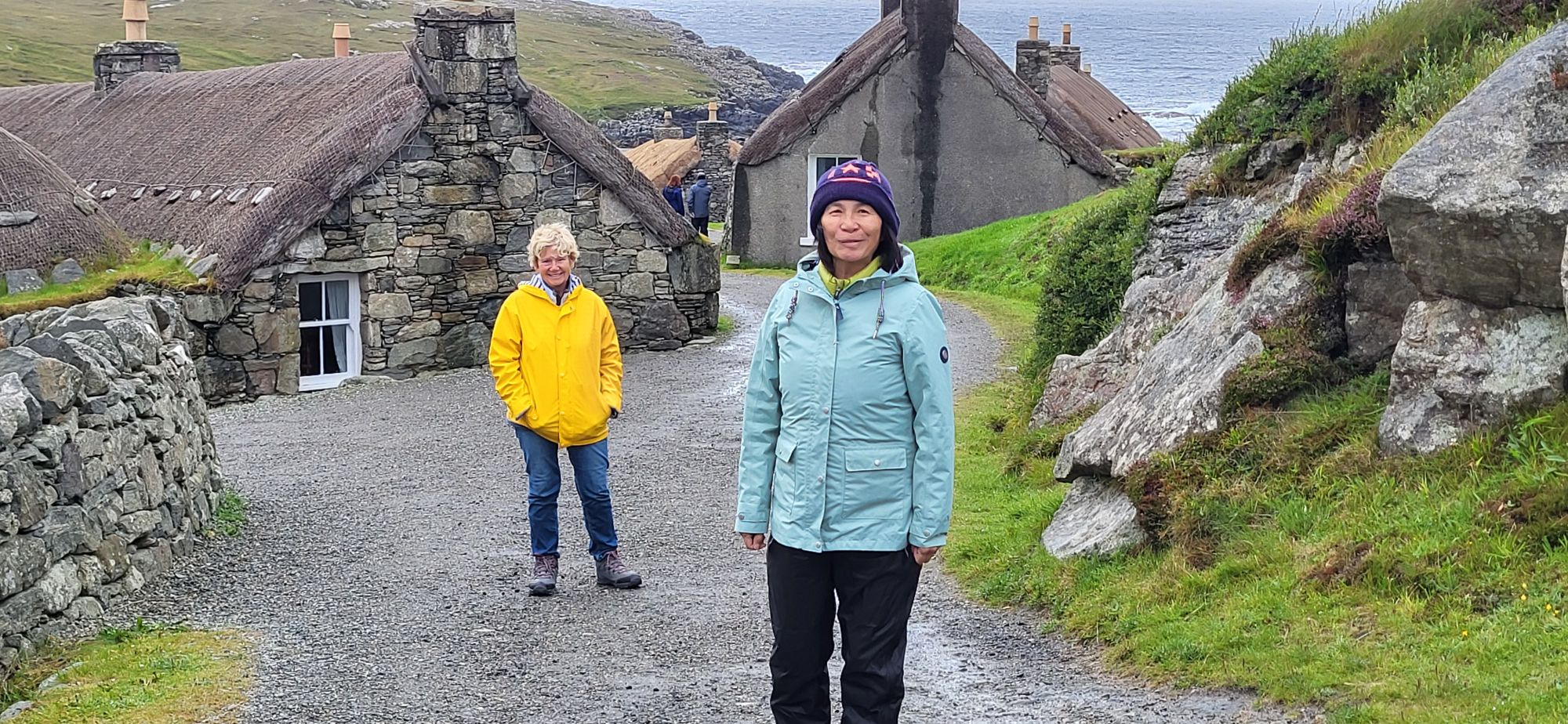
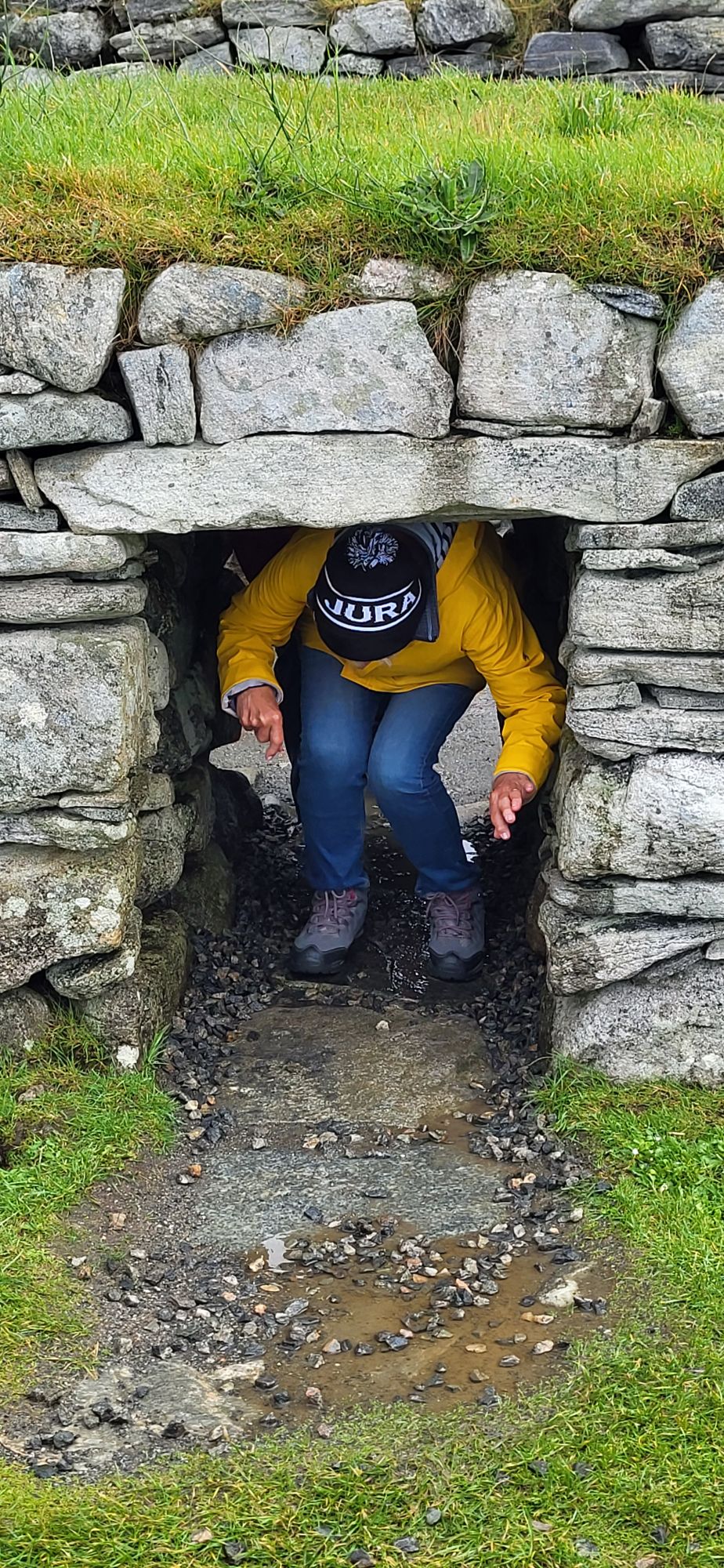
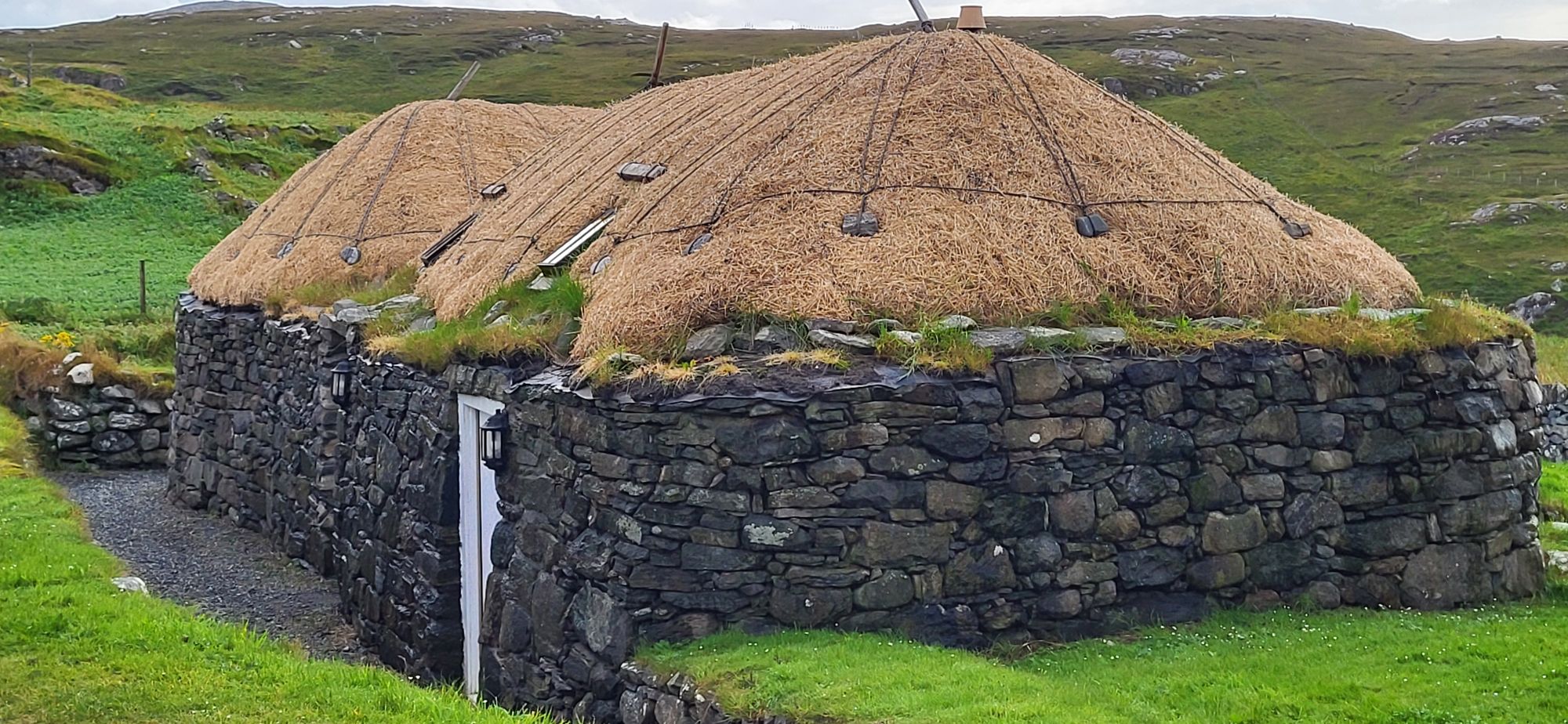
The island tradition was of ‘Black Houses’…simple stone cottages with double thick walls and rooves of thatch held in place by netting and they feature heavily in the novels. The accommodation was often shared with the animals and a peat fire was lit right in the middle of the main living area. The village here, was inhabited until the early 70s when the last inhabitants were moved into modern council houses…
Peat is still very much in use as an everyday fuel…
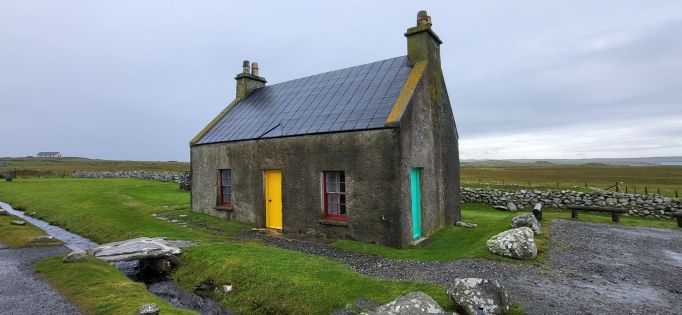
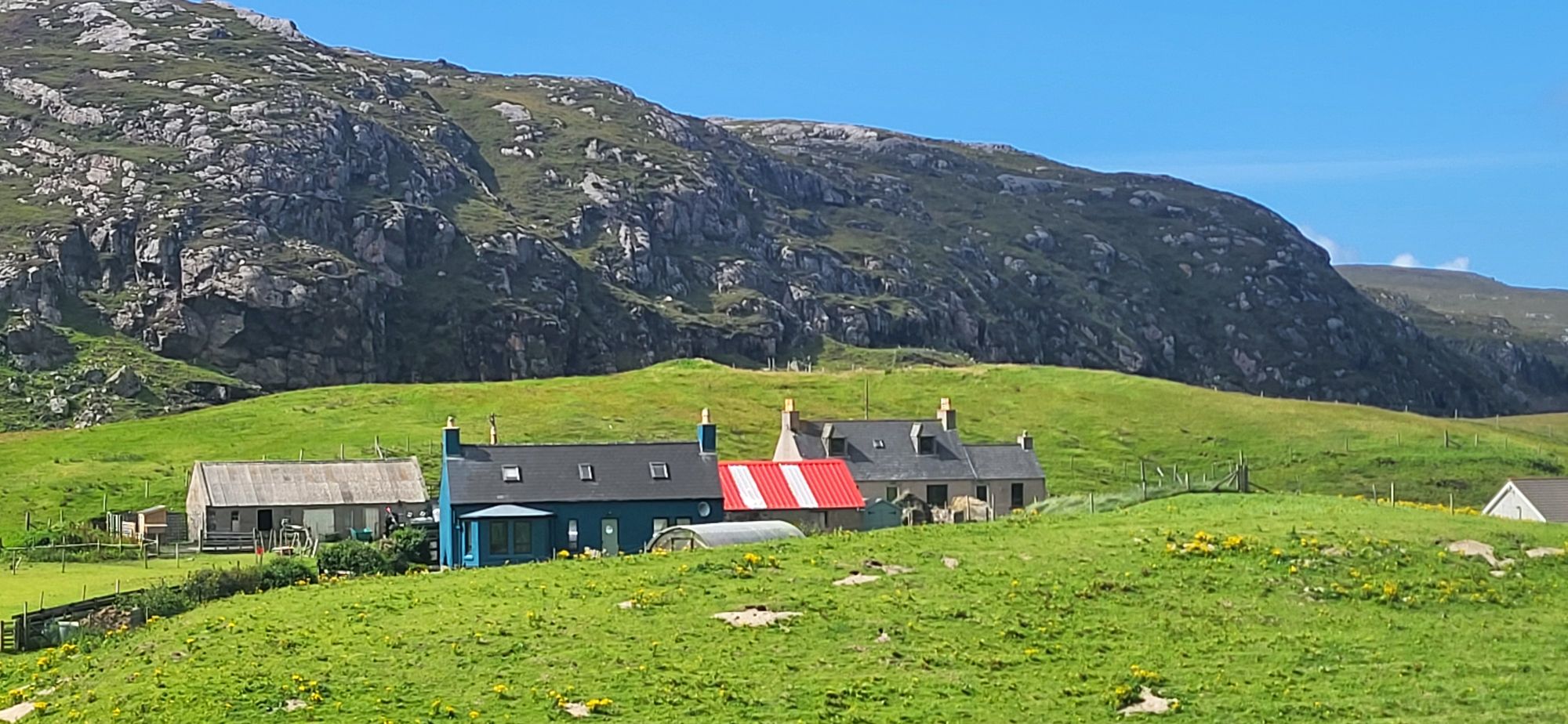
The black houses were gradually replaced in the early 20th century by the ‘white houses’…
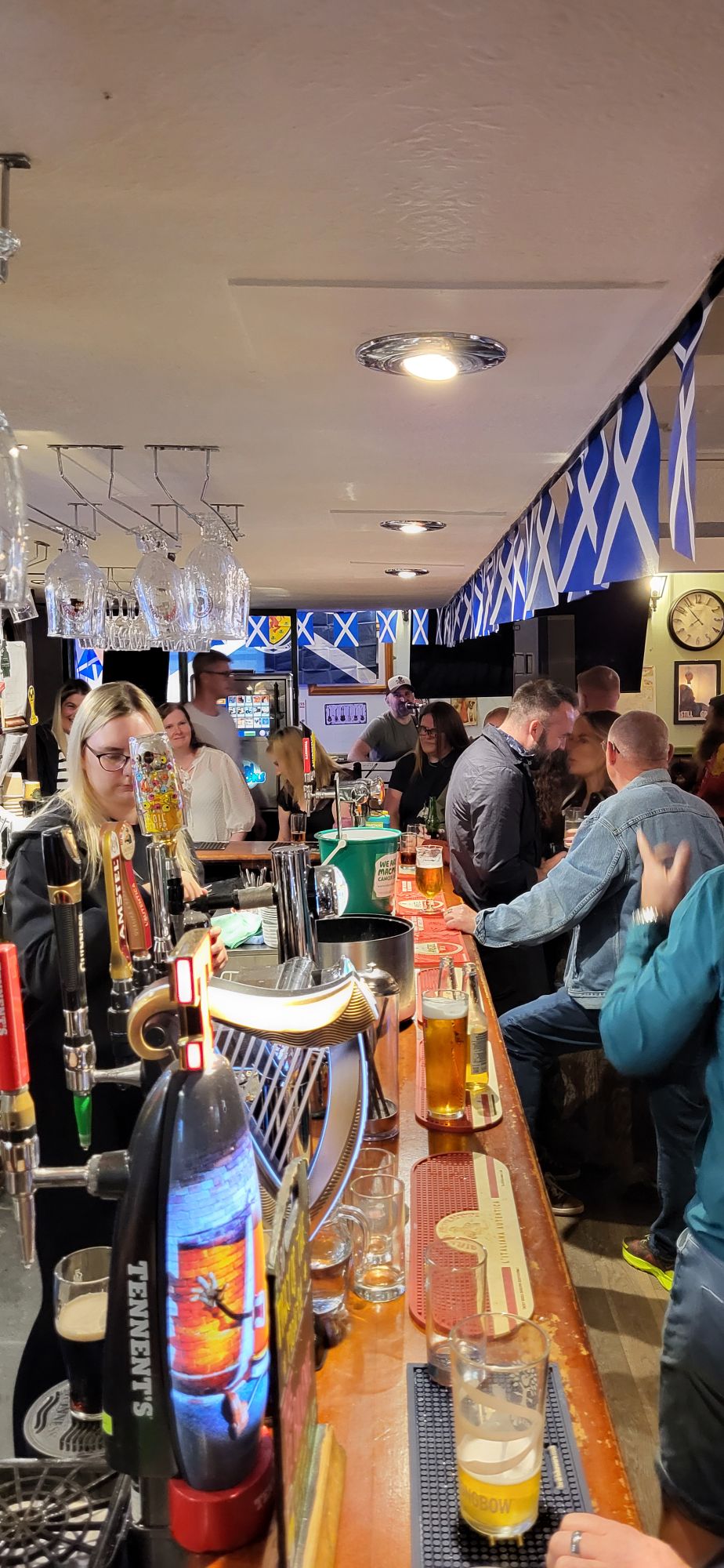
We ended up back at McNeill’s, where a local musician was giving the assembled company precisely what it wanted — everything from the Bonnie Banks o’ Loch Lomond to the Proclaimers’ 500 Miles — sung with tremendous enthusiasm by band and early-evening drinkers alike, the latter well on their way to becoming the genuine article.
…the sabbath…
Tesco have only recently been allowed to open on a Sunday (noon to 8pm to enable the locals to go to church), for the rest of Lewis and Harris (the ‘protestant’ islands) nothing is open…
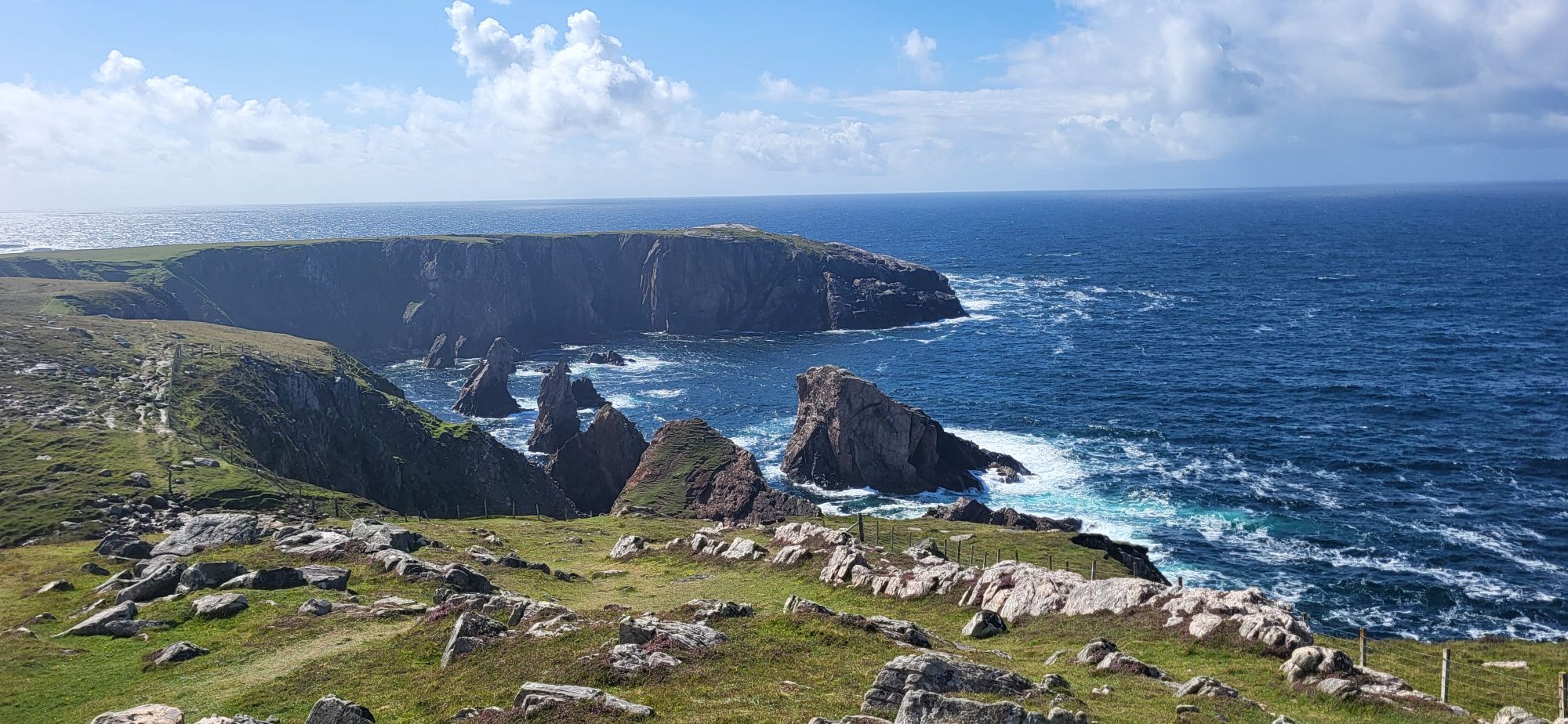
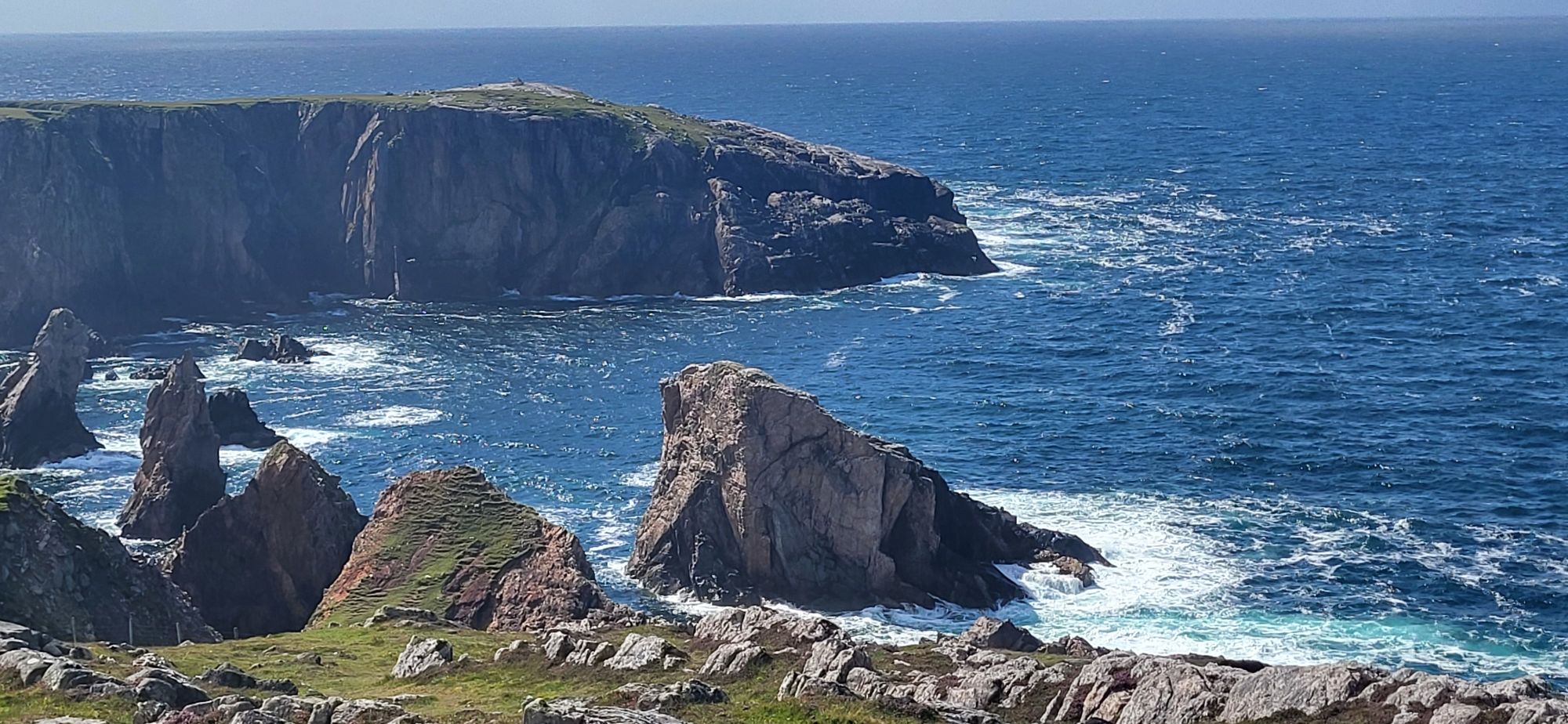
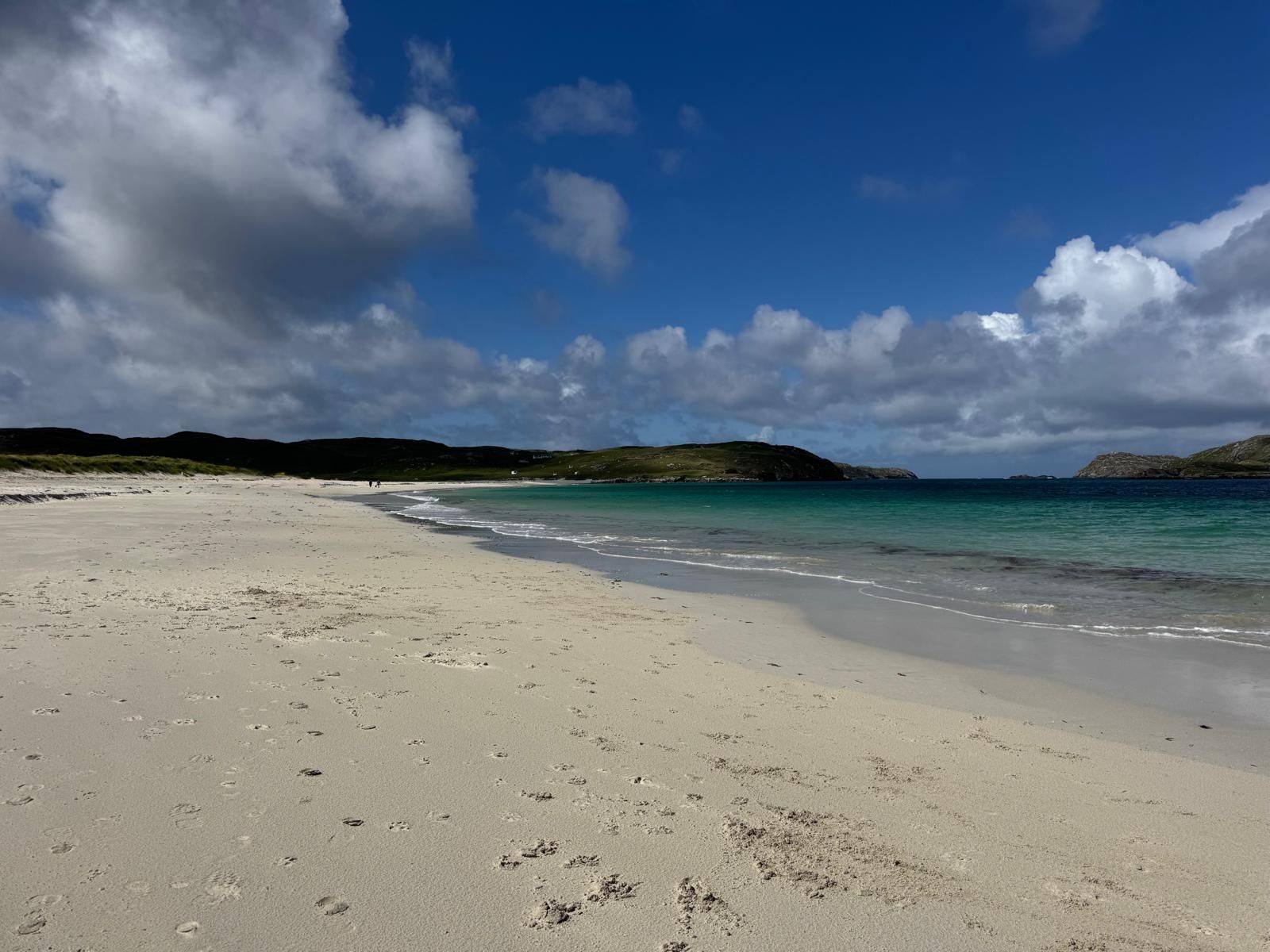
Without even a hot coffee on offer, we pack a lunch and set out for the beaches of the very rugged West Coast. The drive is stunning and the landscape is rugged…and there is the inevitable norse chessman…
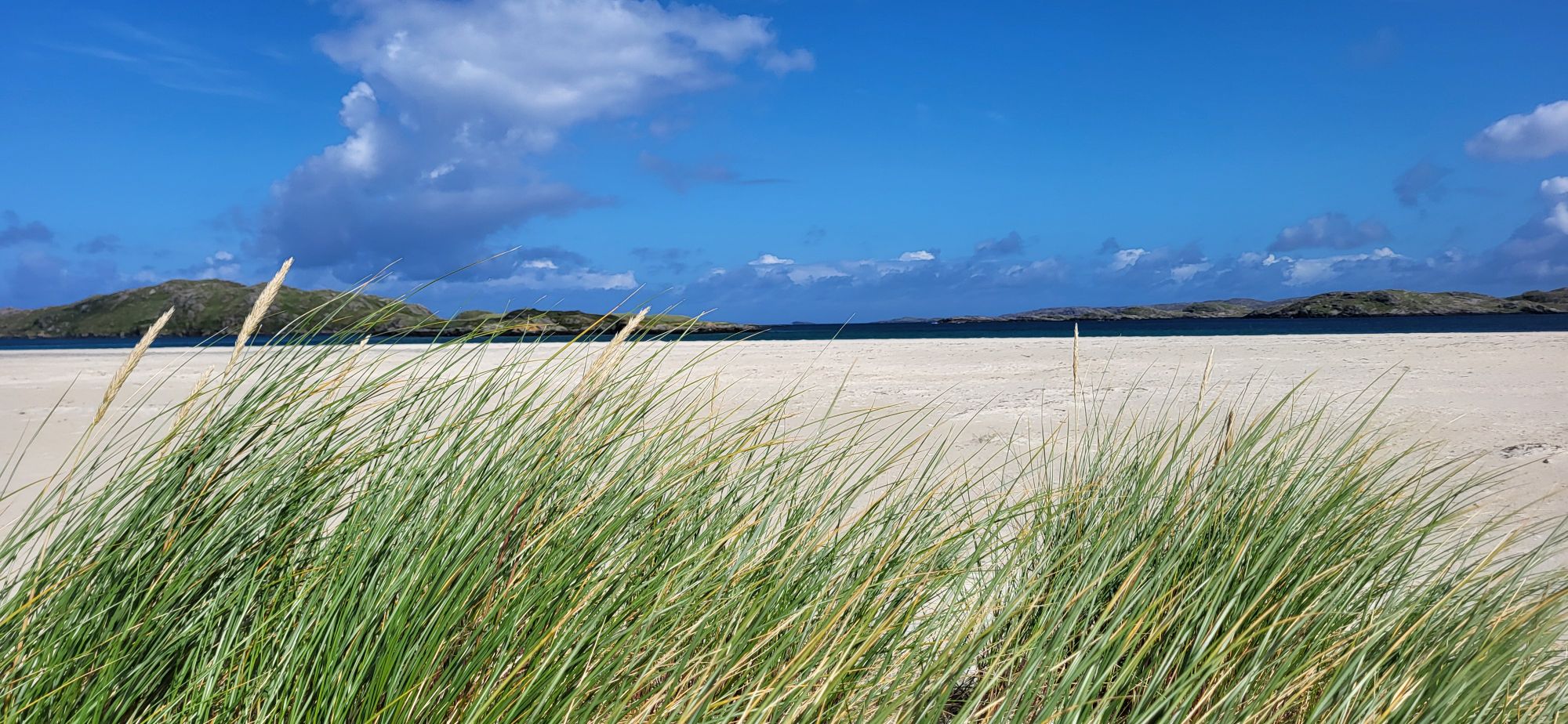
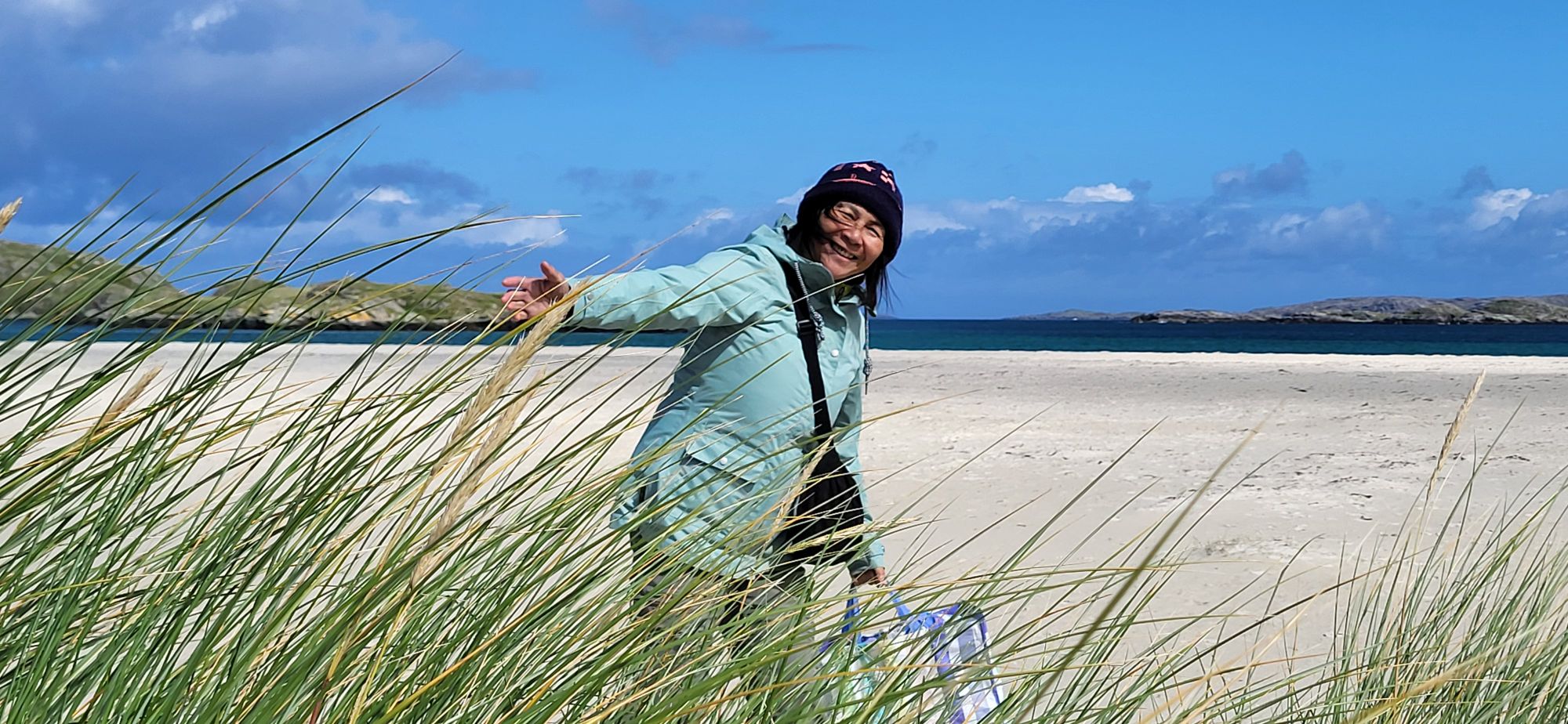
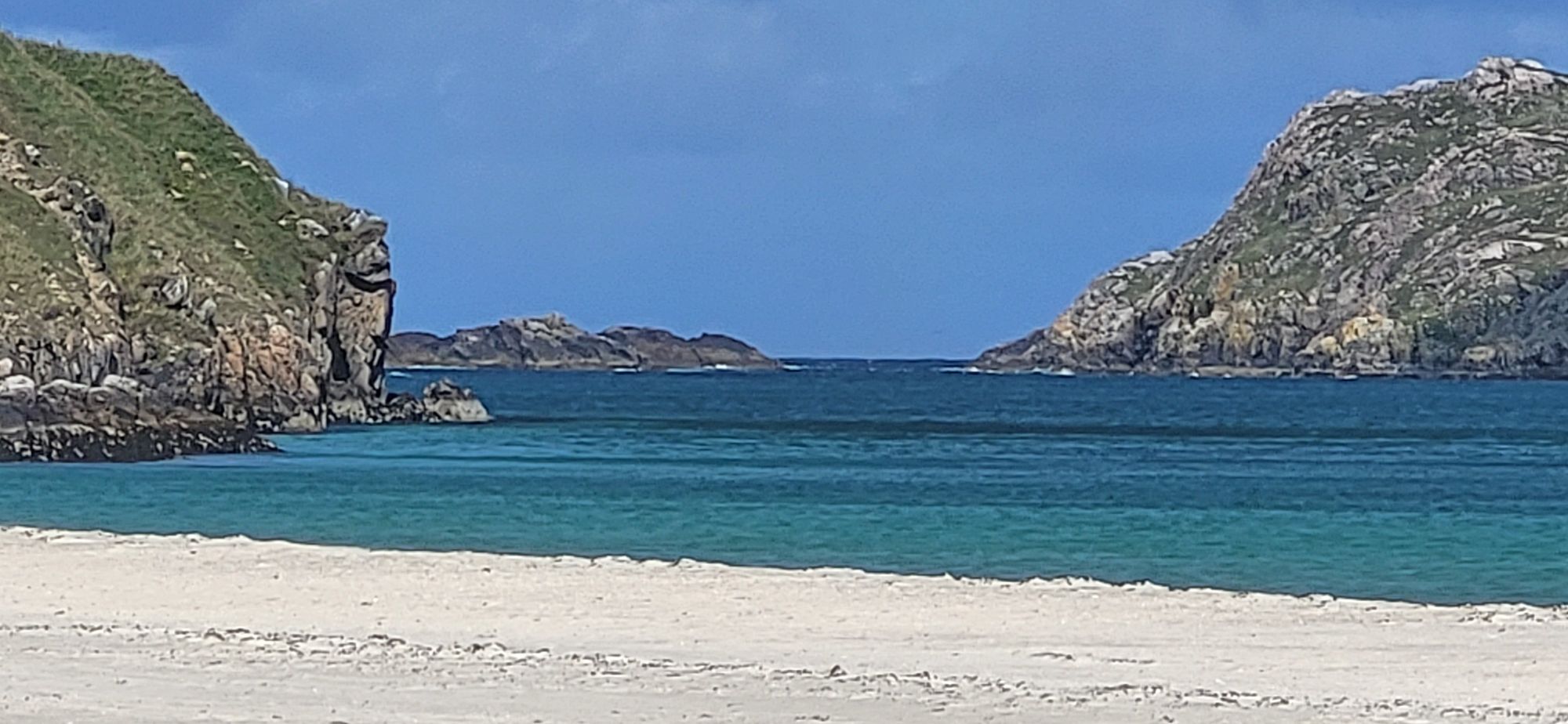
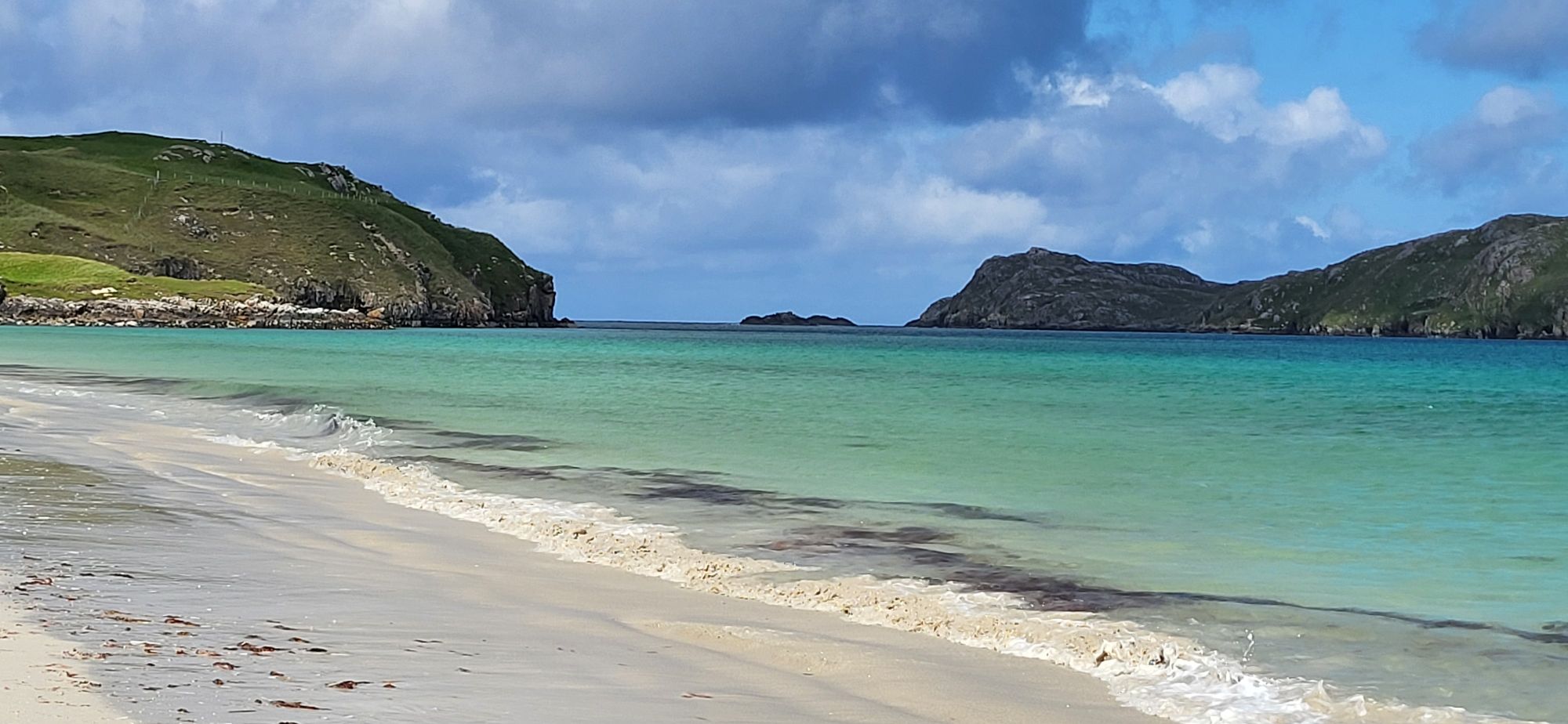
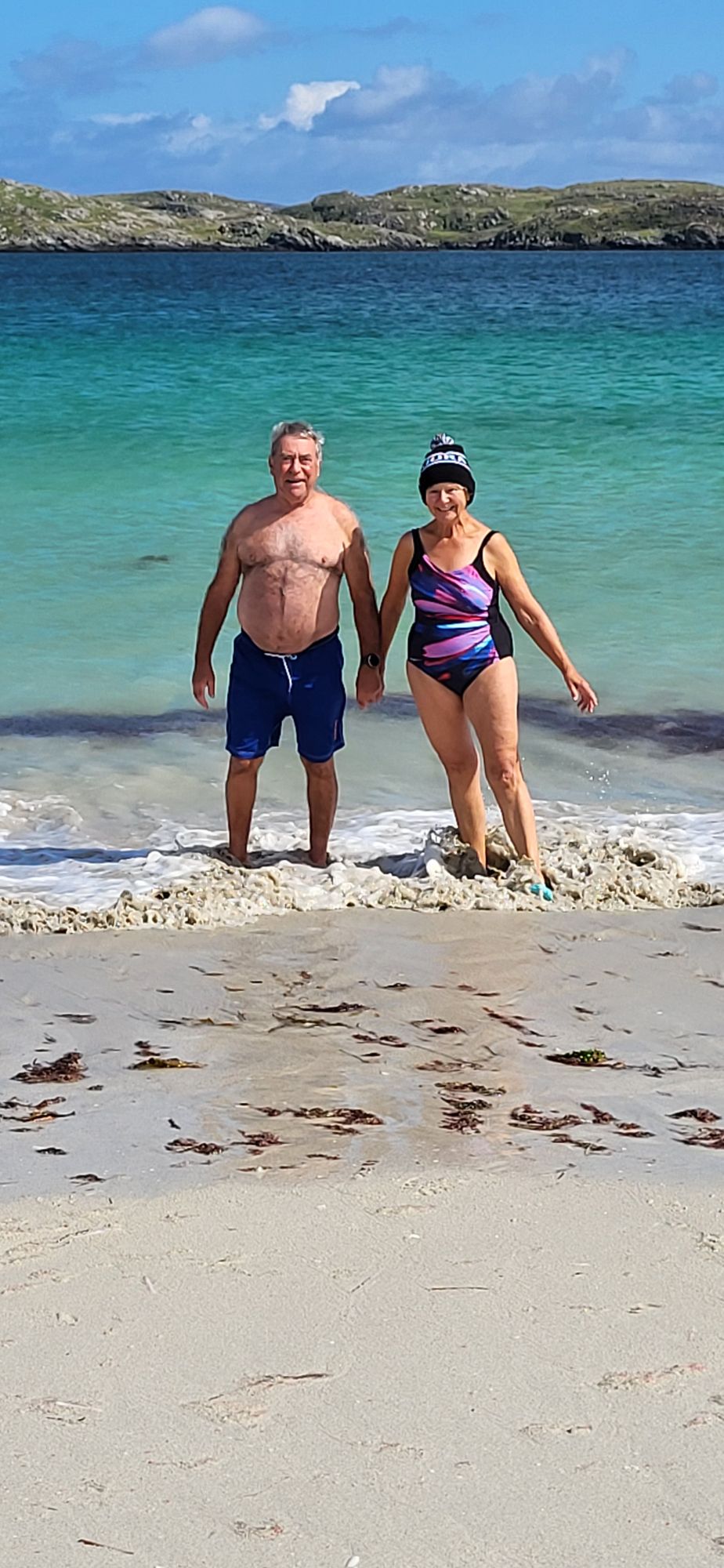
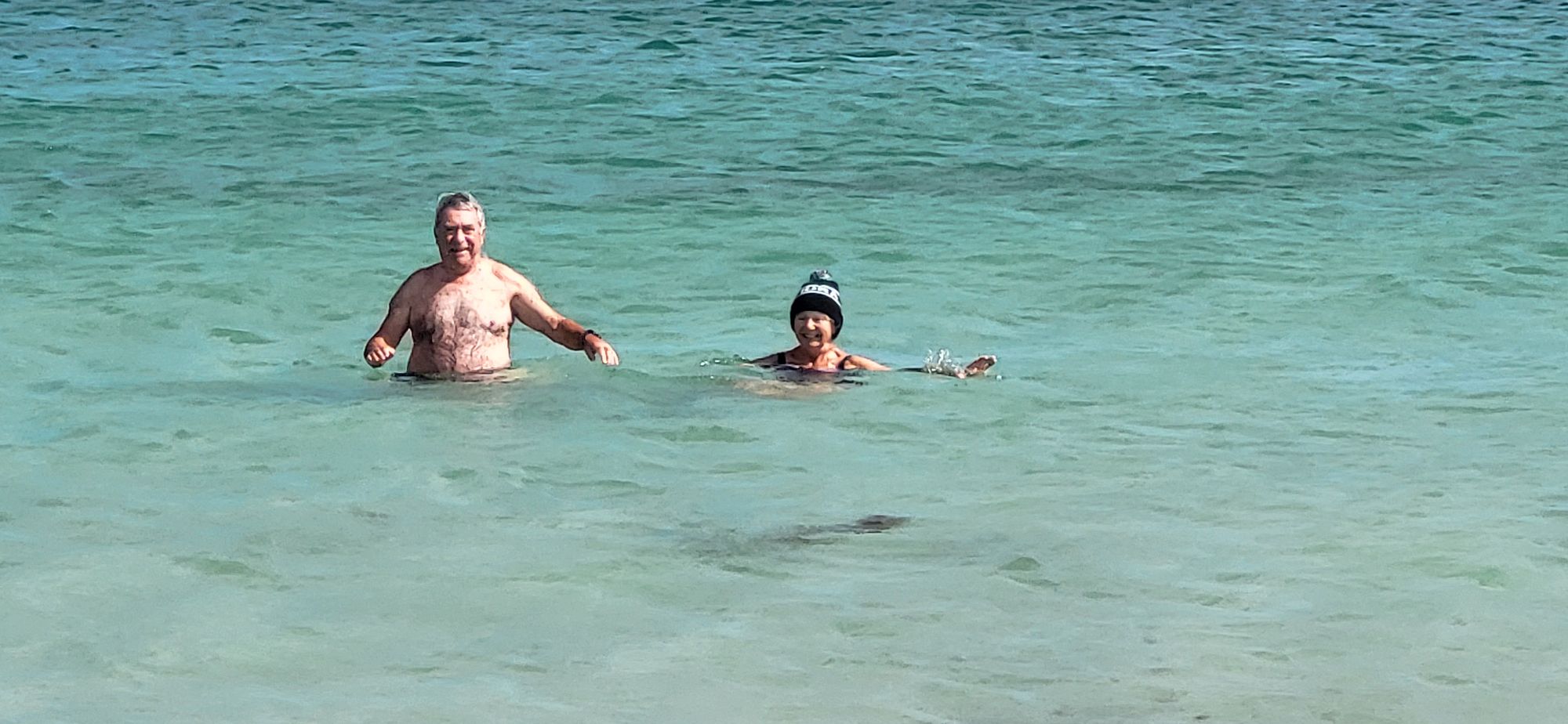
…and the beaches are incredible, tempting the hardier members of the crew in for a brief dip…
The weather is set fair for us to press on tomorrow, which will mean a reasonably early start, but for now, back aboard Heydays, we find ourselves musing on this corner of the Hebrides, and drawing, inevitably, comparisons with Orkney. This is, to our admittedly first impressions, a markedly less prosperous society, and one in which the rather austere Church of Scotland continues to exercise real influence. Sunday here is still observed as the Sabbath, and external entertainment is neither permitted nor, in practice, available. The towns lack something of the vibrancy and gaiety we found further north, though the scenery more than compensates. We find we can manage perfectly well without shops or pubs on a Sunday; it rather forces one into simply inhabiting the present, and being part of a place quite different from the frantic, consumption-driven south we normally call home.
It is also, we have noticed, a place that attracts a rather higher calibre of adventurous sailor than we are used to, a marked departure from the “only leave the marina on a fine day” school of seamanship more commonly encountered in Lymington. There was the New Zealand couple on their steel Van der Staadt, Dutch-built, currently planning a passage to Norway before crossing the Atlantic (for the third time) en route home. There was the Dutch singlehander who had just come in from the Faroes, two days of it thoroughly rough. And there was Restless, mentioned above, who completed their second Atlantic crossing only last year. These islands, it is fair to say, are not simply just another part of the country.
Footnote: A large French boat arrived in harbour this evening, with what appeared to be a very odd black and white flag flying. We then realise that this ‘flag’ was in fact a very large (and presumably very expensive) genoa split from tack to clew (side to side|). After a big struggle they finally got it under control and dropped on deck…this is a sober reminder that these waters can catch even the cautious and well prepared…