It turns out that, when sufficiently motivated, we are entirely capable of making decisions.
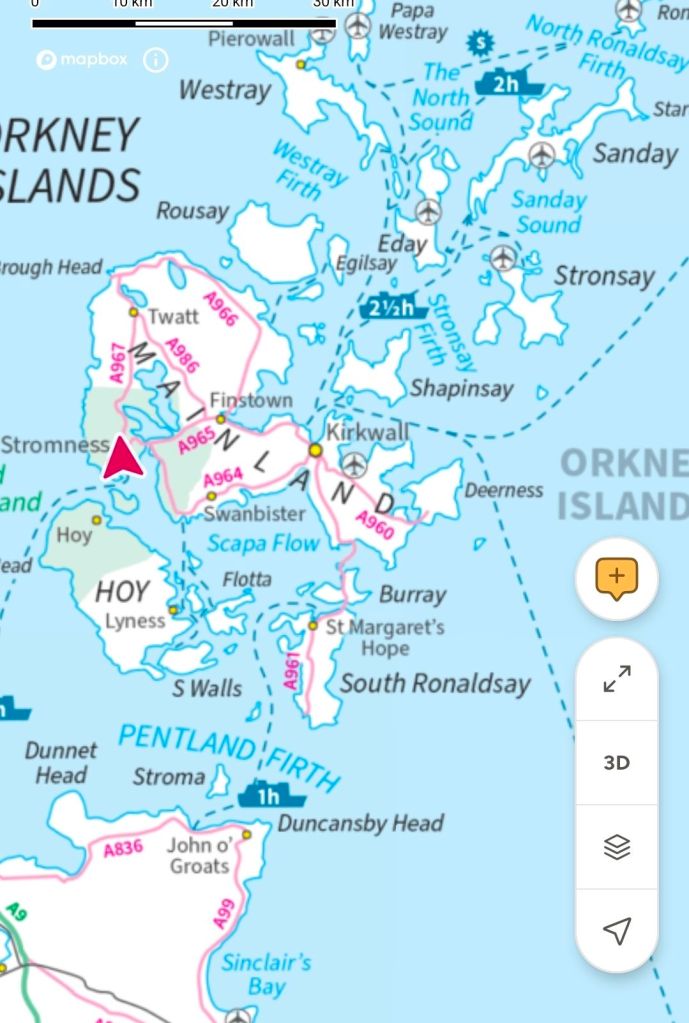
After considerable deliberation about what might realistically be achieved in the time available, we make contact with our old friend Alan and resolve to sail across Scapa Flow to visit him and his wife Cindy on Burray. Burray sits in a chain of islands running south from the Orkney mainland, forming the south-eastern edge of Scapa Flow, or at least, it used to. The islands were separate once, until a German U-boat took the entirely reasonable-from-their-perspective decision to slip into the harbour during the war and torpedo several British warships. Churchill’s response was characteristically unequivocal: sink old ships and large quantities of concrete between the islands, seal the gaps, and install roads on top. The Churchill Barriers are an impressive piece of wartime engineering, though they do have the rather significant side-effect of making it considerably harder to leave Scapa Flow by sea towards the eastern islands.
We allow ourselves another gentle wander around Stromness in the morning, and just take in the atmosphere of these islands…
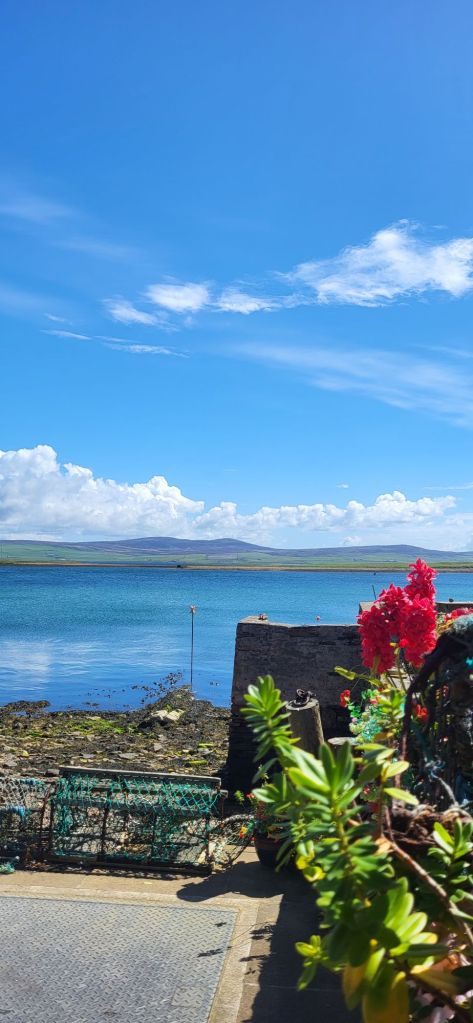
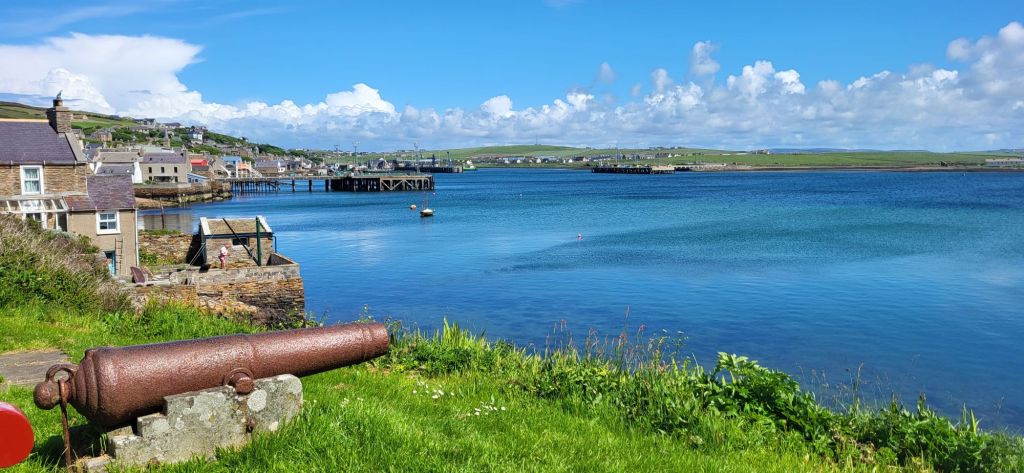
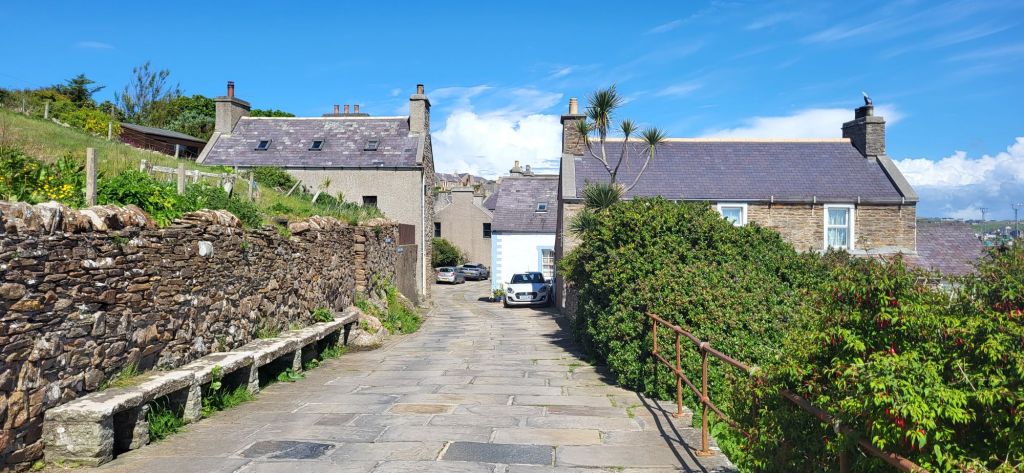
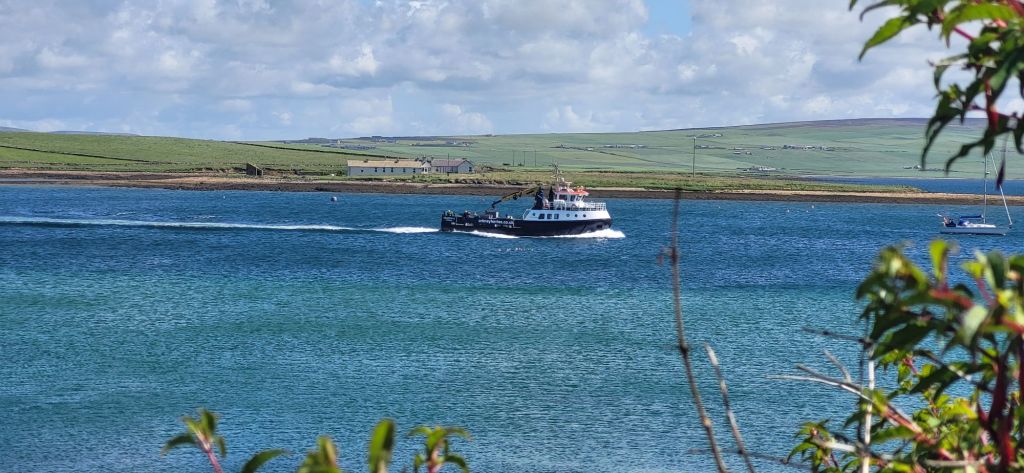
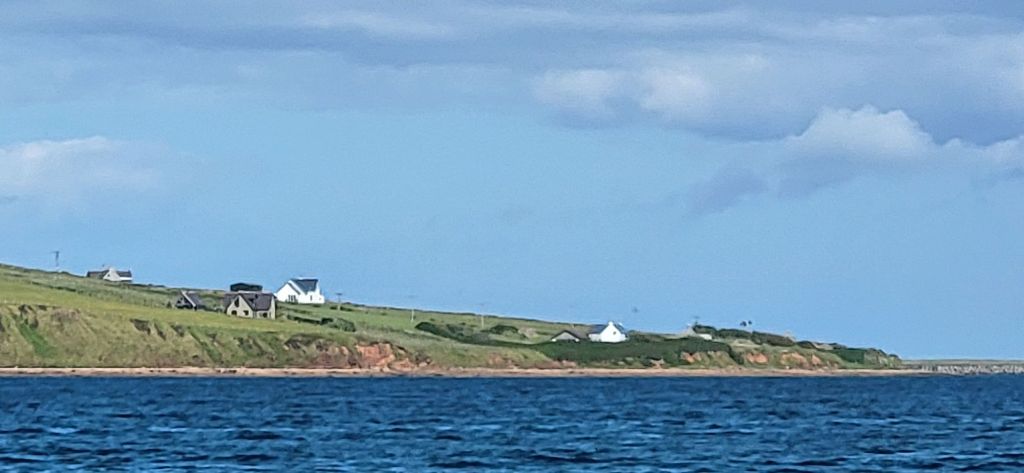
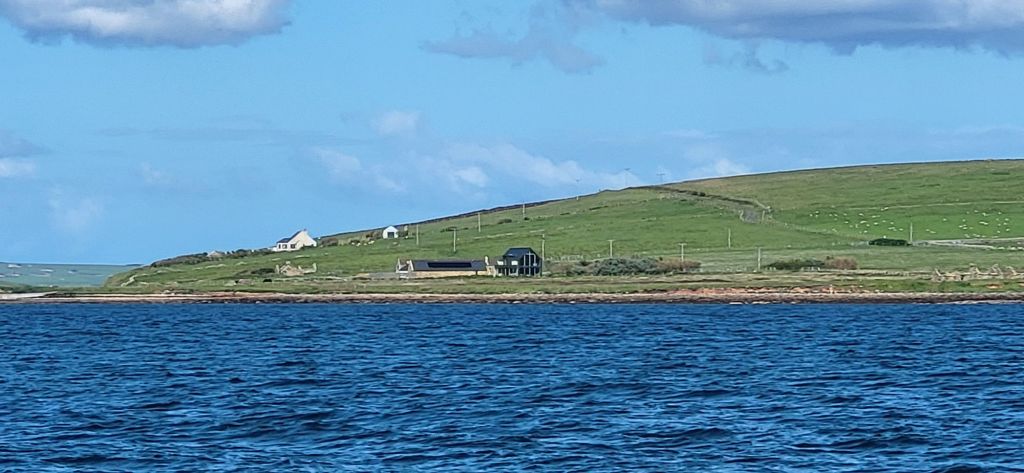
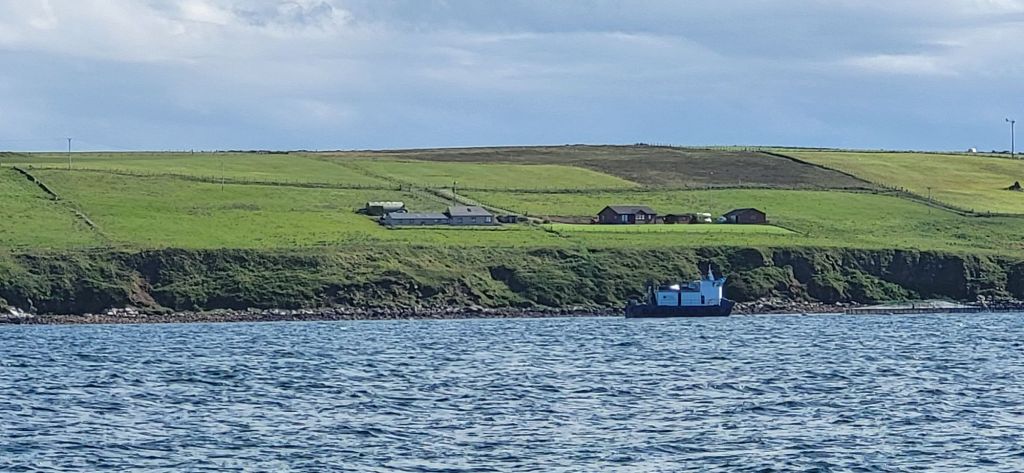
…before catching the early afternoon tide and heading east with a moderate westerly behind us. The sail across is both leisurely and sunny, which in Scottish waters feels worthy of note. Scapa Flow opens up around us with brilliant views of huge skies almost entirely devoid of trees but entirely full of everything else…and some reminders of a harsher, bygone age…
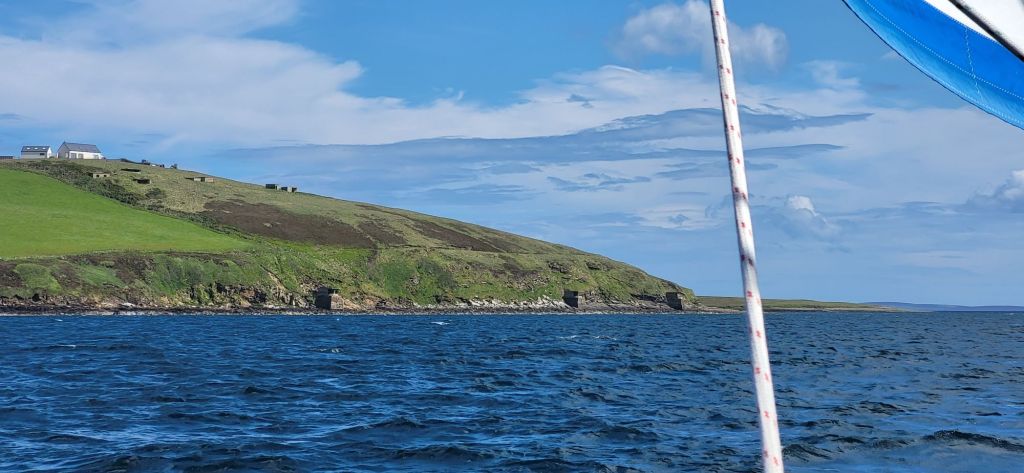
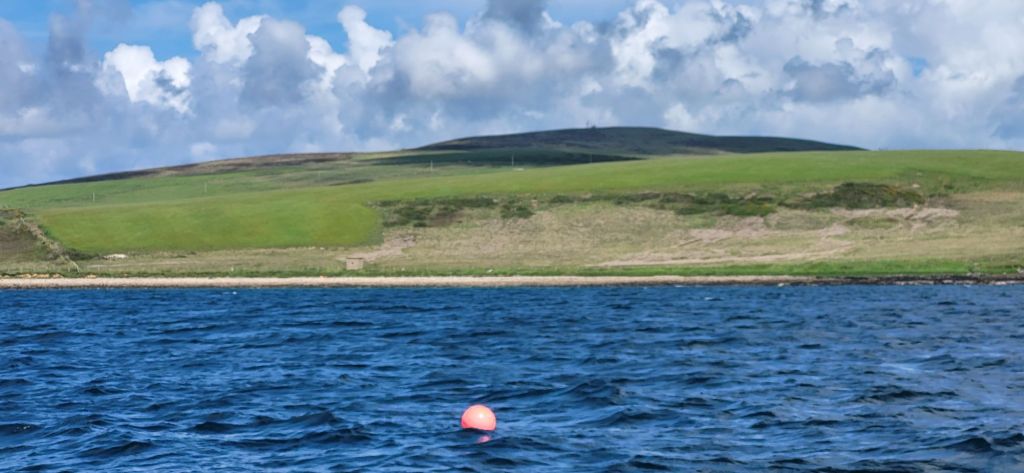
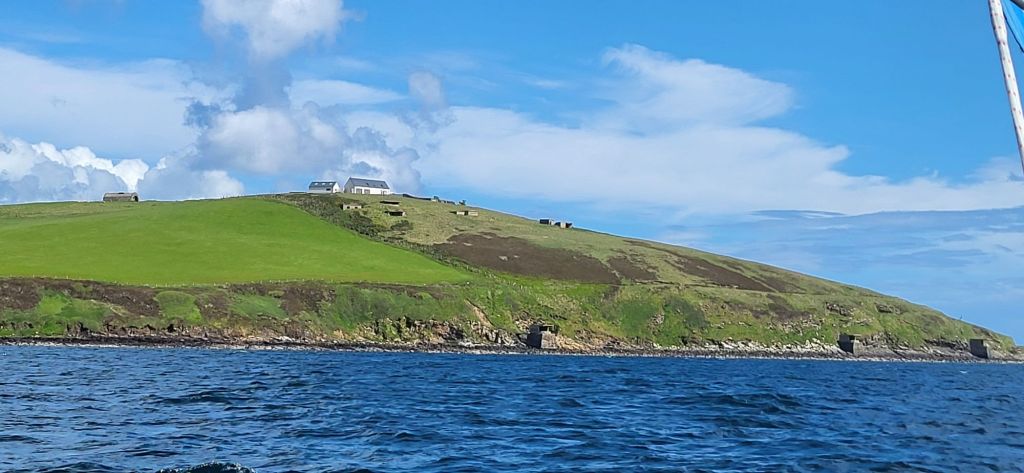
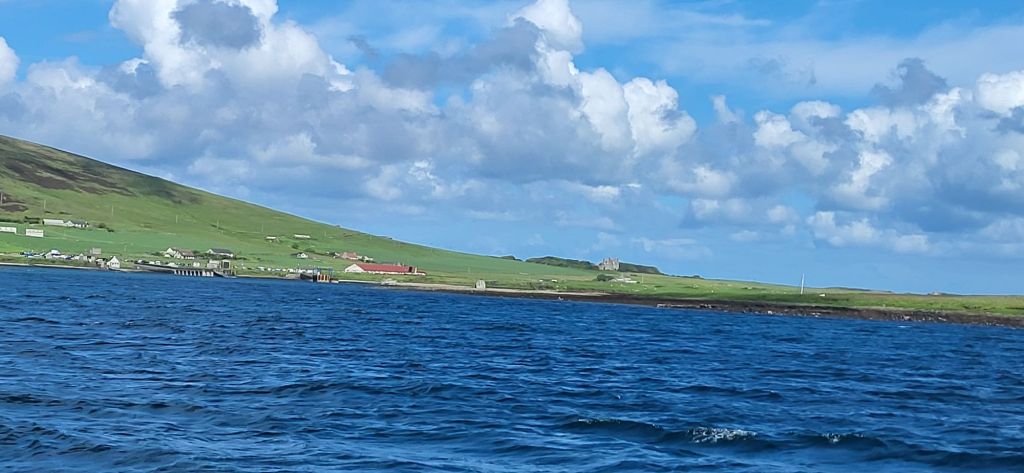
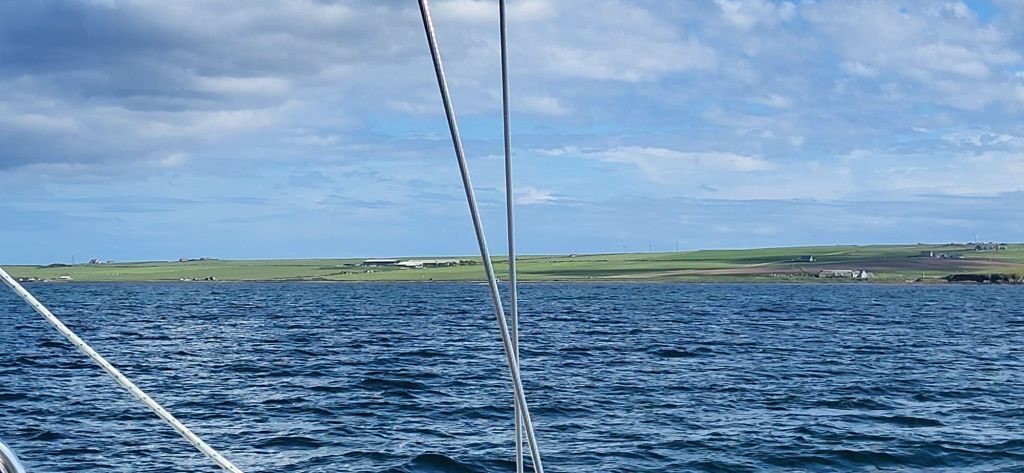
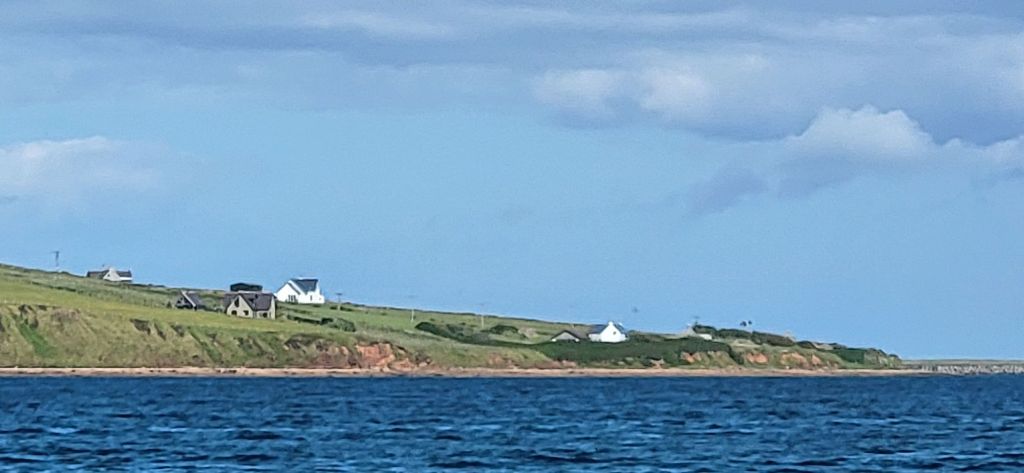
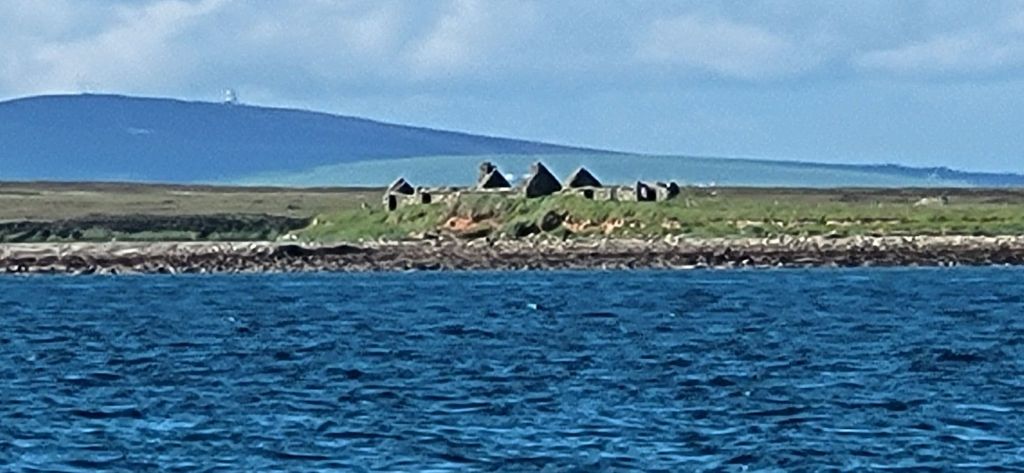
Down south, a day like this would bring out flotillas of motorboats and justify a dozen overpriced waterside gastro-pubs. Up here, we have the Flow almost entirely to ourselves, shared only with a couple of working boats going about their business.
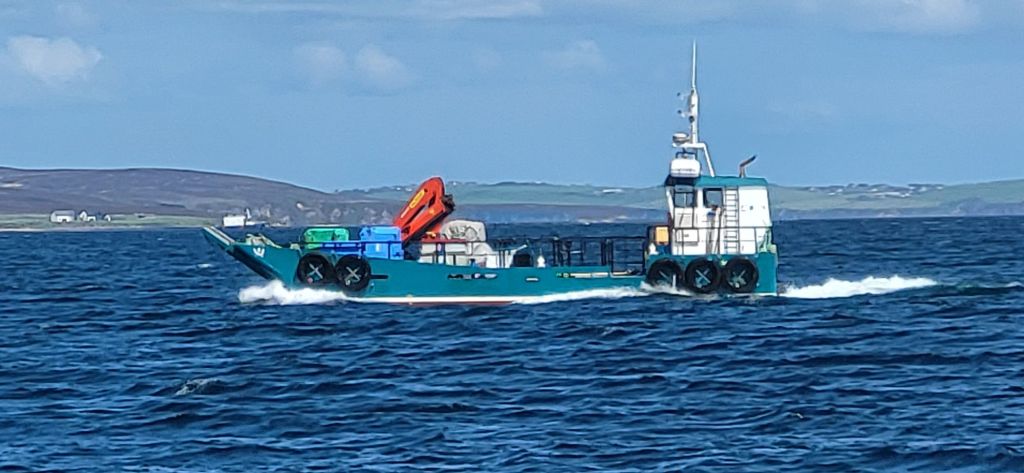
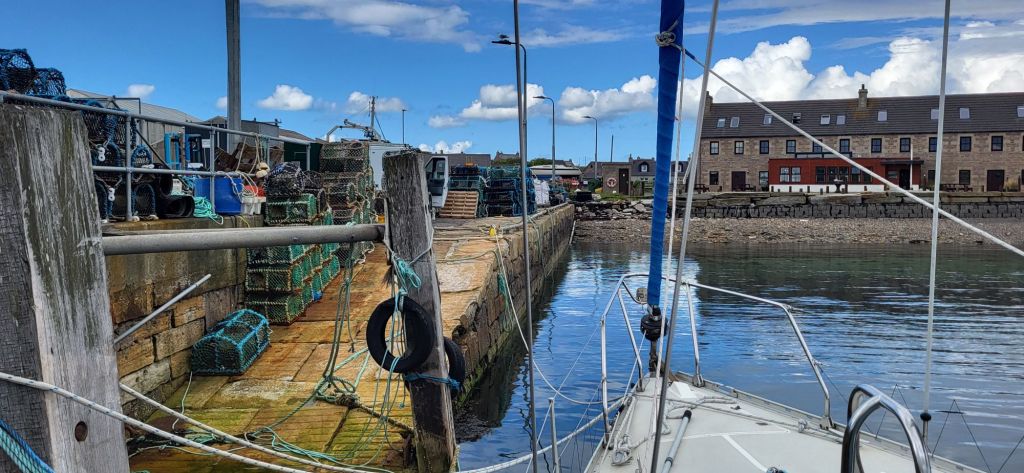
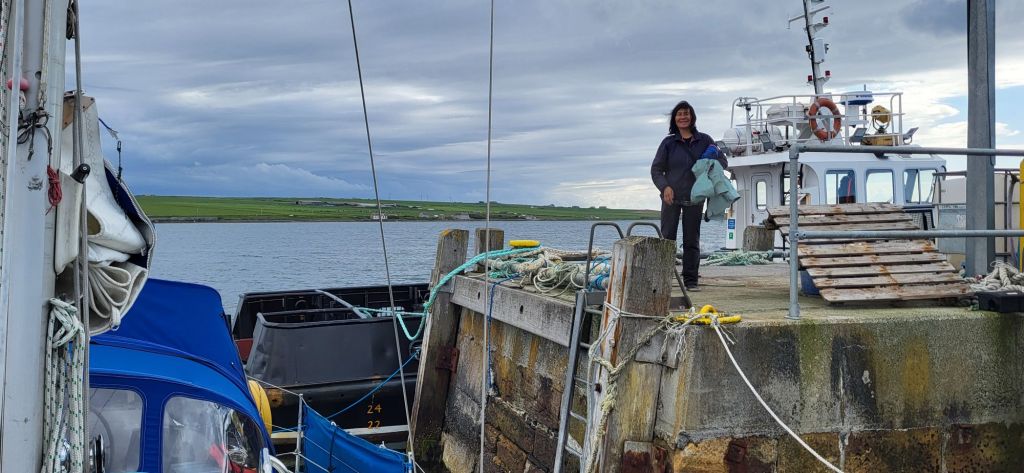
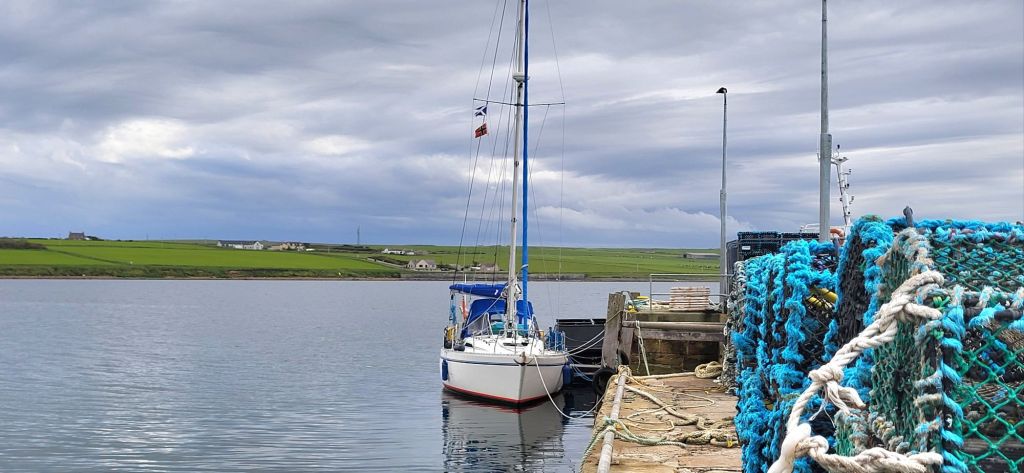
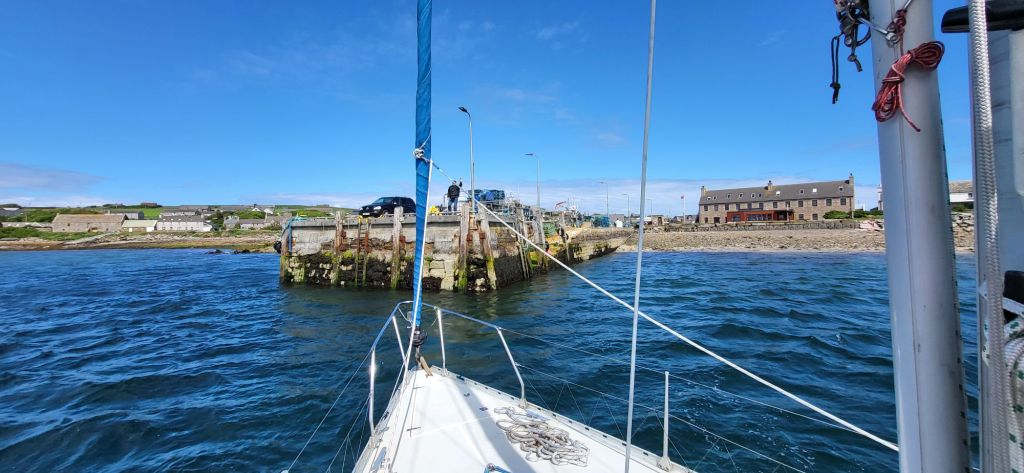
Rounding the headland on the south side of Burray, we find Alan waiting at the little fishing pier…
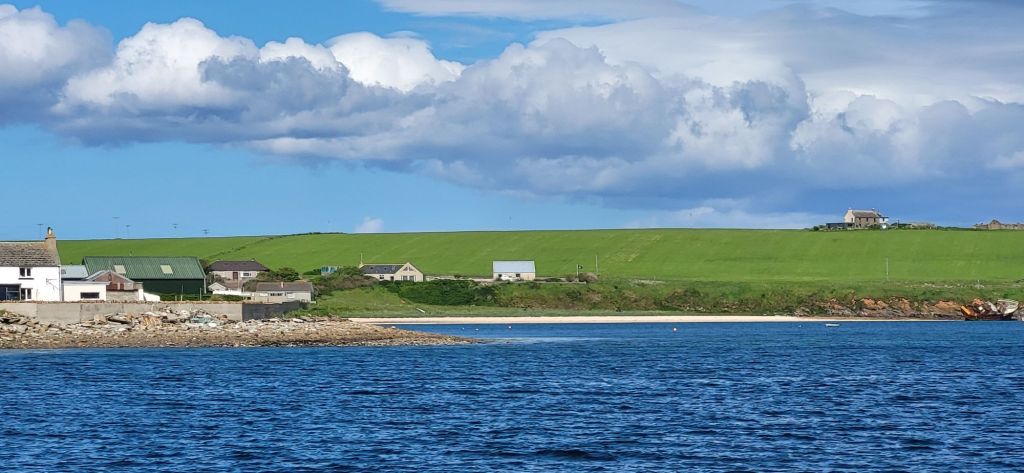
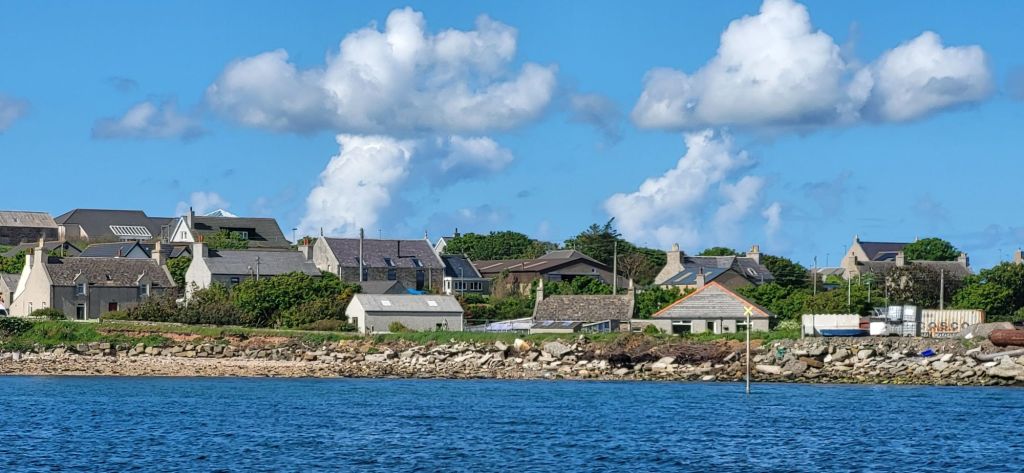
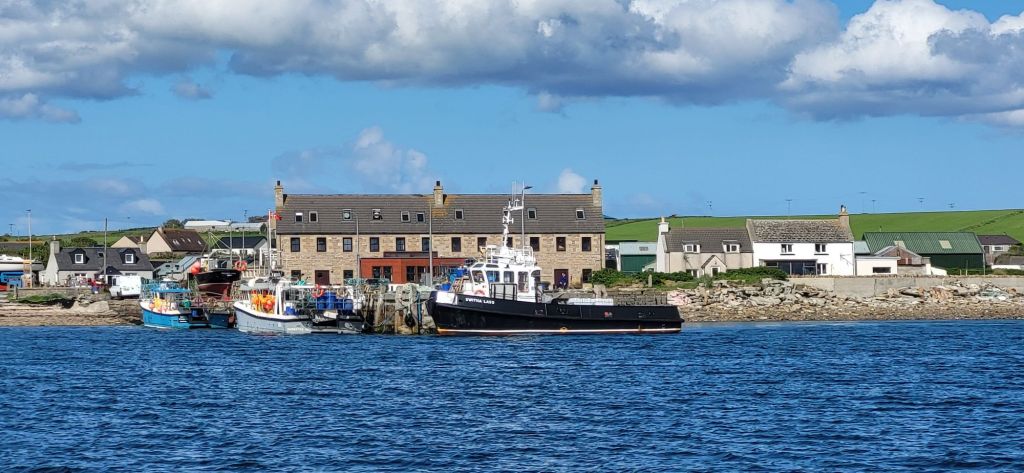
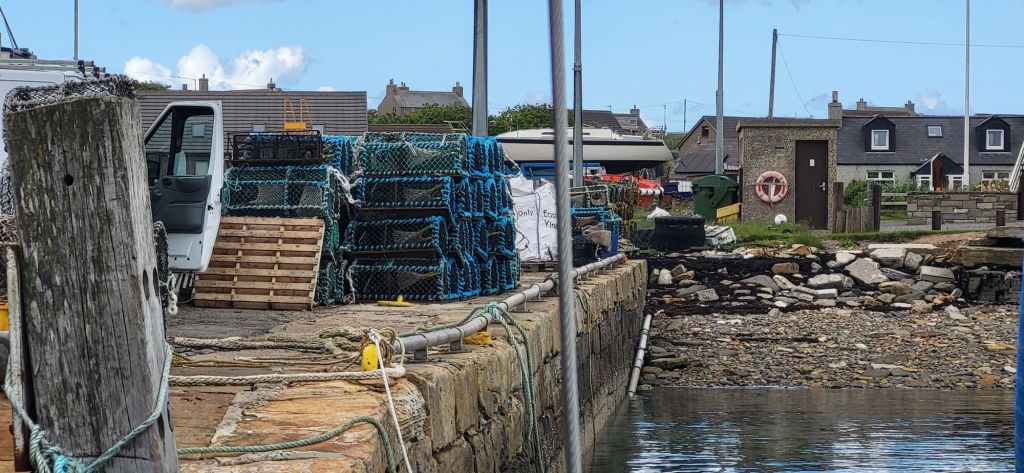
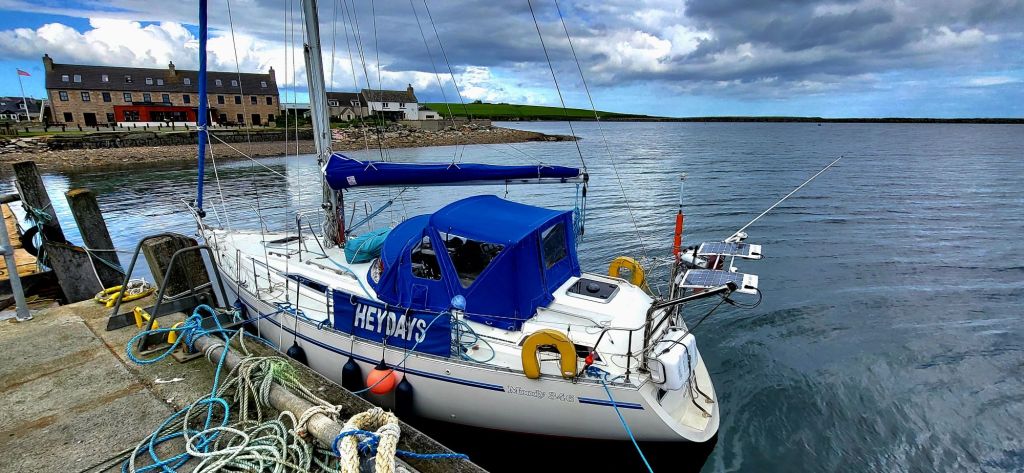
…having done the diplomatic groundwork with the local fishermen on our behalf. We are welcome to moor alongside. This is good news, as it spares us the undignified business of inflating the rubber dinghy. The pier itself was not, it must be said, designed with visiting yachts in mind, but with sufficient ingenuity and a generous quantity of string, we contrive an arrangement that sees us through two tides without incident.
It is genuinely wonderful to see Alan again. We pile into the car and drive across to South Ronaldsay, where he and Cindy have made their home with stupendous views out across the North Sea. Cindy, who is originally from South London, and James find considerable common ground in shared memories of Streatham, and, specifically, the Silver Blades Ice Rink. It clearly left a mark on South Londoners of a certain generation.
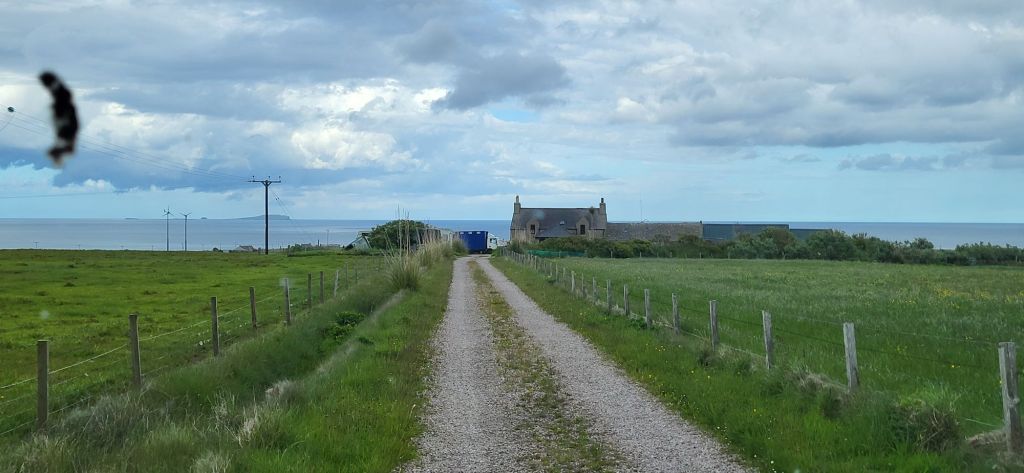
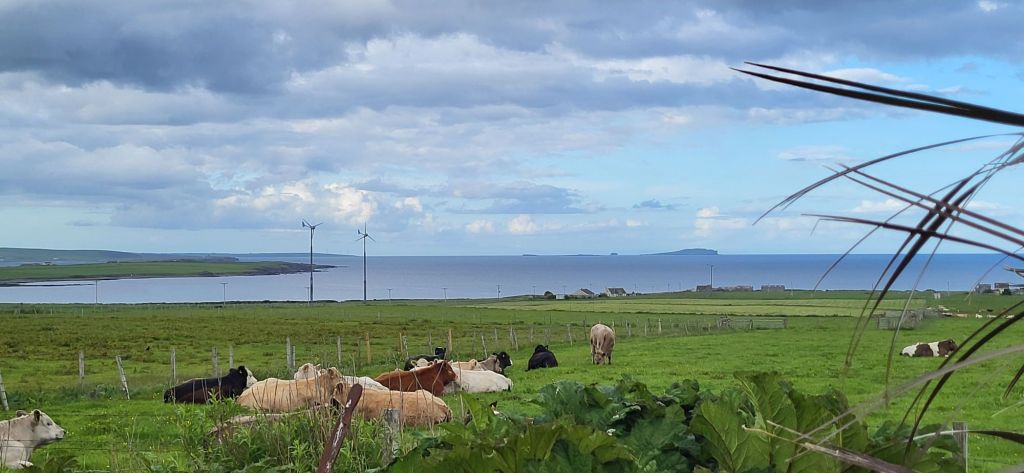
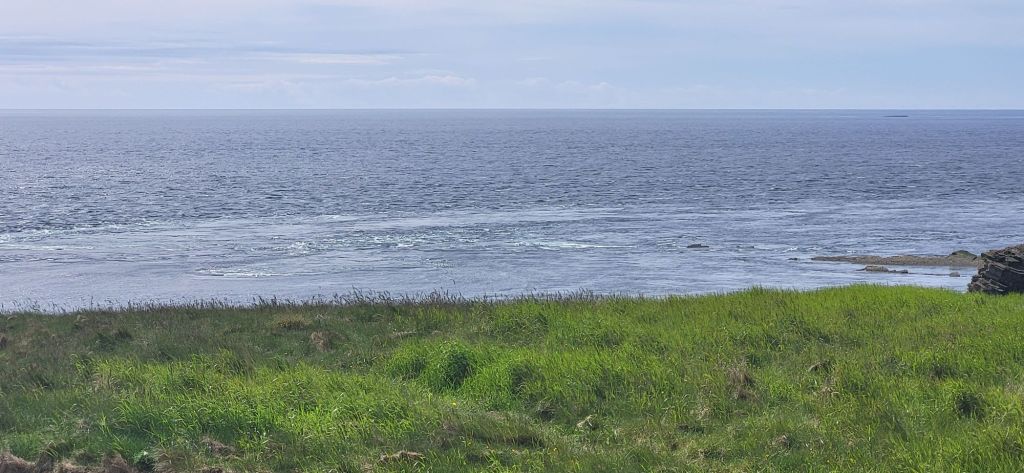
Dinner is taken a stone’s throw from Heydays at the Sands Hotel, where Alan’s biography is told over the course of the evening in a manner that puts most CVs to shame: Royal Navy, lobster fishing, running lorry-loads of shellfish to Spain, coach driving, tweed weaving, professional diving. It is the sort of life that makes us feel we have been spending our time rather inefficiently. Both Alan and Cindy speak of Orkney with real love, the word they use, unprompted, is “magical”, though the pull of grandchildren and family back in England and Scotland is ever present, and not something that even Orkney can entirely neutralise.
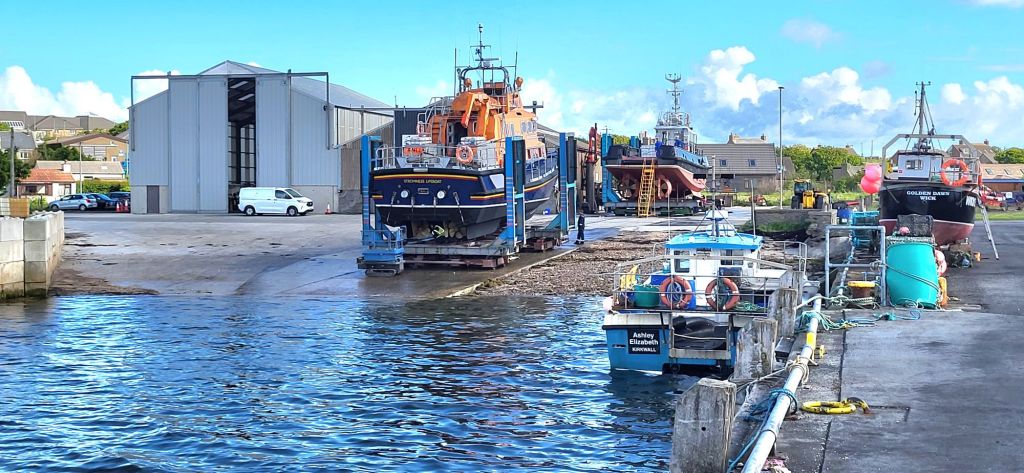
The following morning is bright and fresh, and by 8am, the boatyard nearby is already buzzing, having pulled the local lifeboat ashore for some work…the fishermen are long gone…
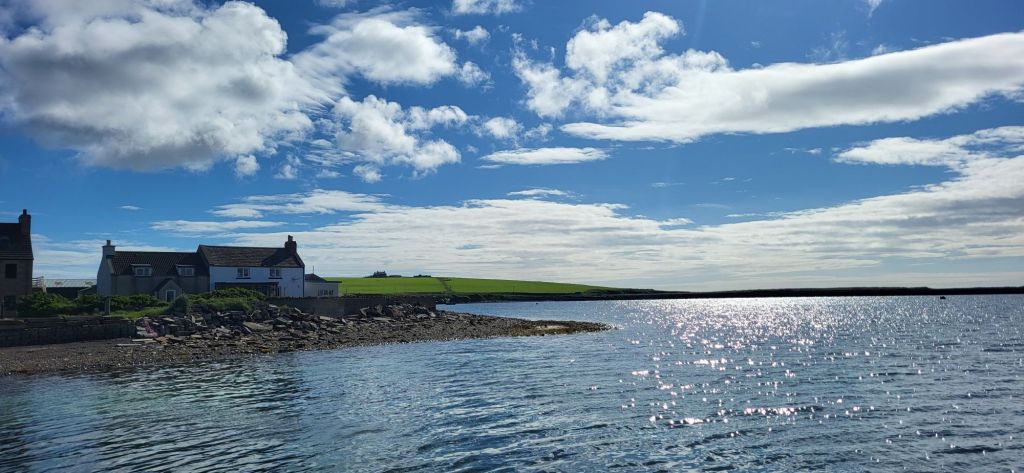
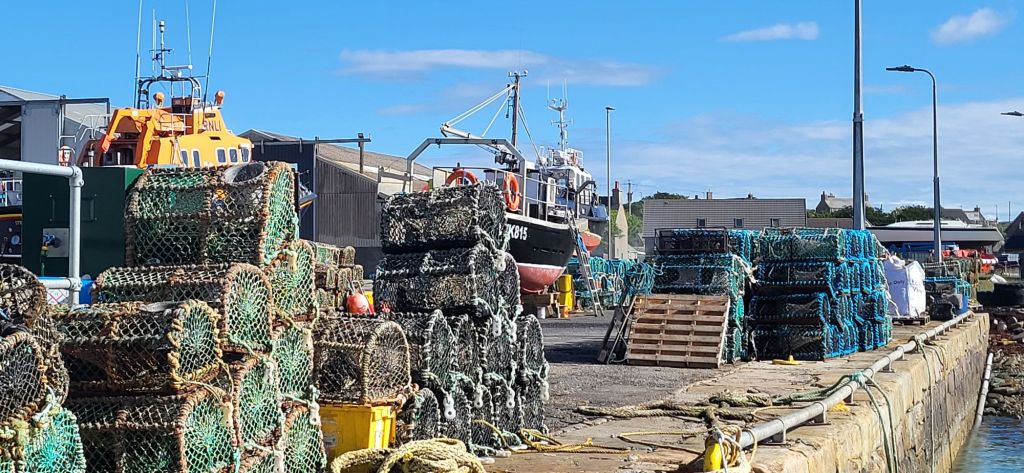
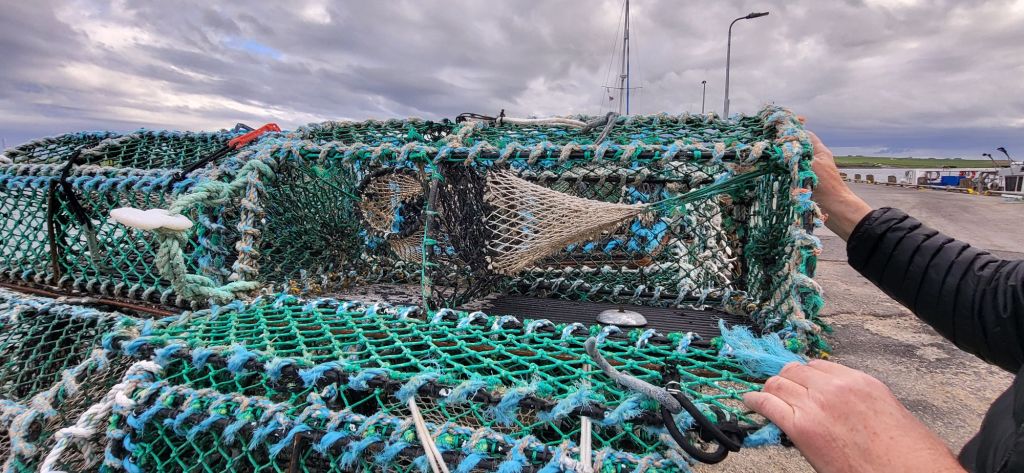
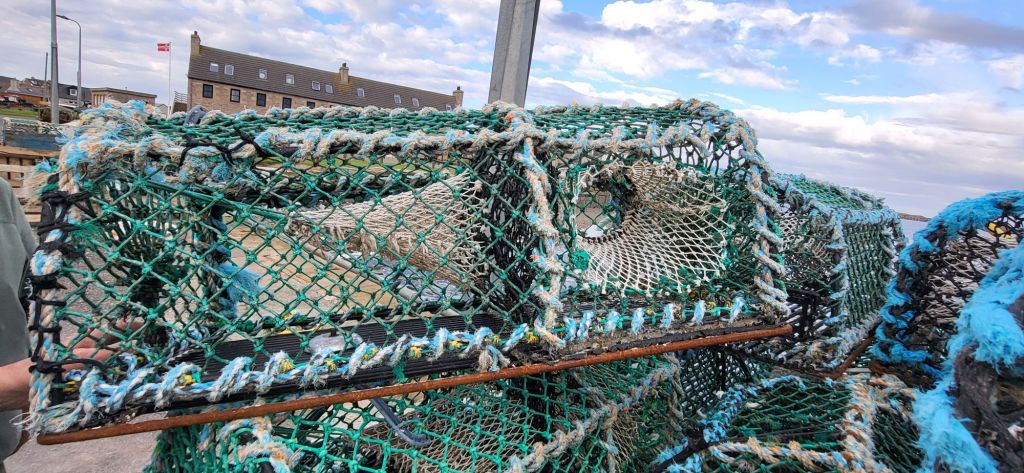
We get an impromptu lesson on the finer details of catching lobster and prawns…
…before Alan takes us to visit the newly reopened Tomb of the Eagles, a Mesolithic burial site discovered relatively recently and closed since Covid until the local community stepped in to reopen it. On our previous Orkney visit we took in the headline acts: Skara Brae, the Ring of Brodgar, the Stones of Stenness. But Orkney is, almost disconcertingly, full of ancient sites, and this one has a character all of its own.
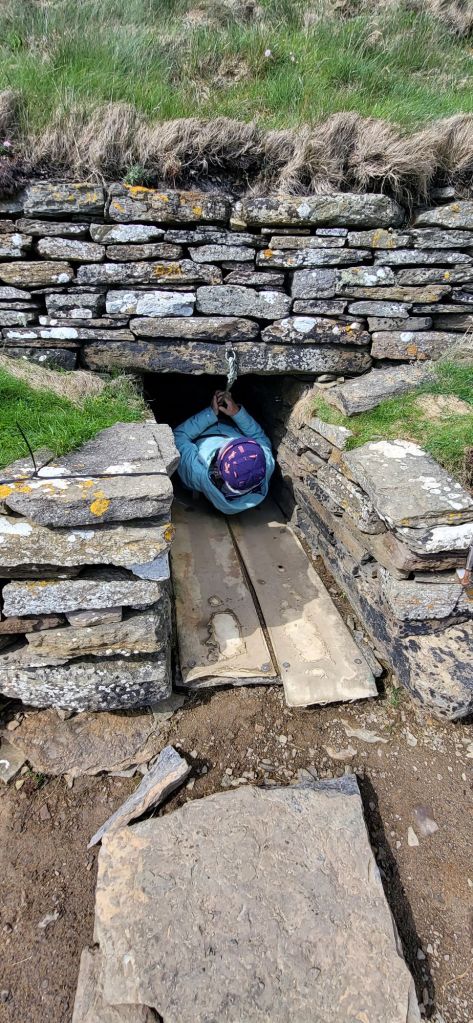
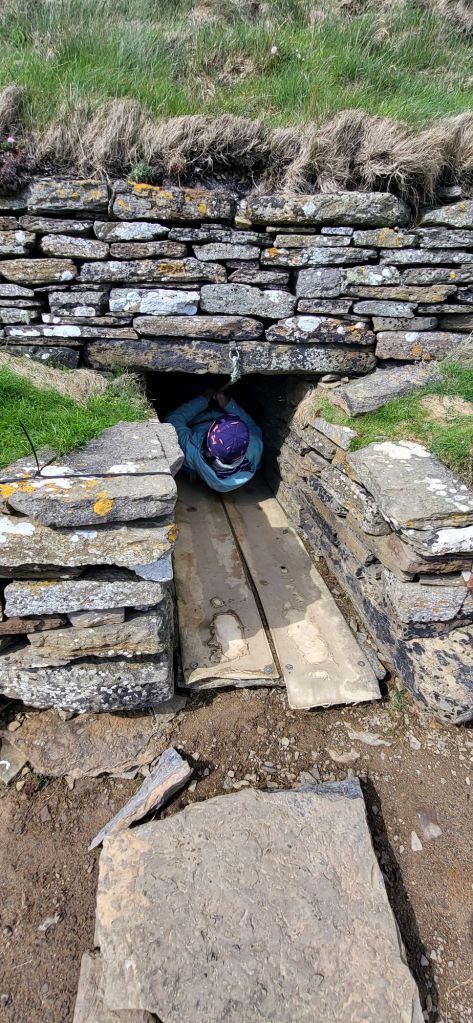
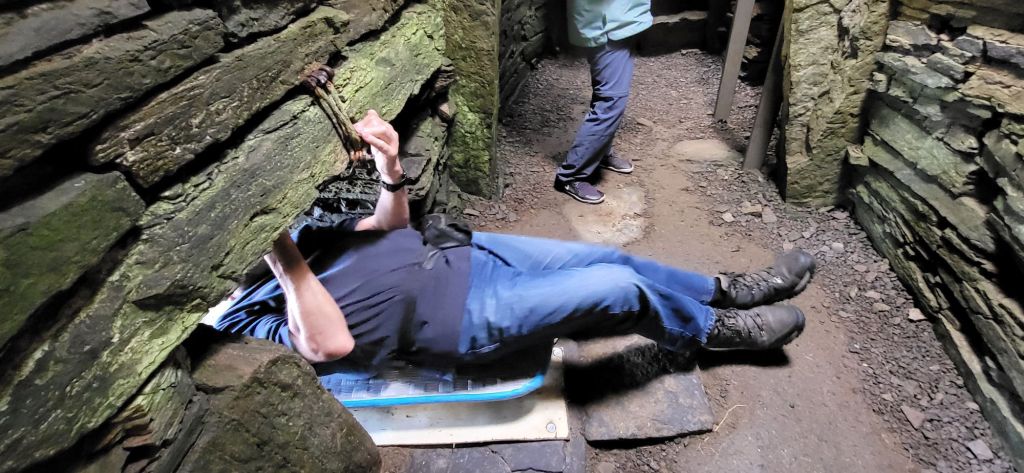
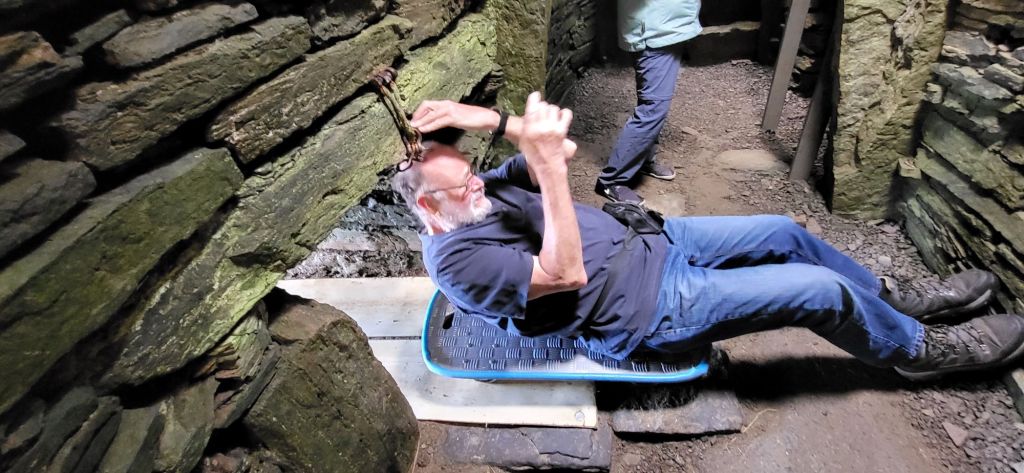
The burial practice it commemorates has more recent examples elsewhere in the world. Bodies were laid out on the rocks for eagles to strip the flesh, after which the bones were interred in the mound. Access to the chamber involves lowering ourselves through a narrow tunnel in manner uncomfortably close to an MRI scan, though thankfully, the tunnel is considerably shorter and does not emit alarming noises. The mound itself is small but amazing, a genuine connection across five thousand years of human time.
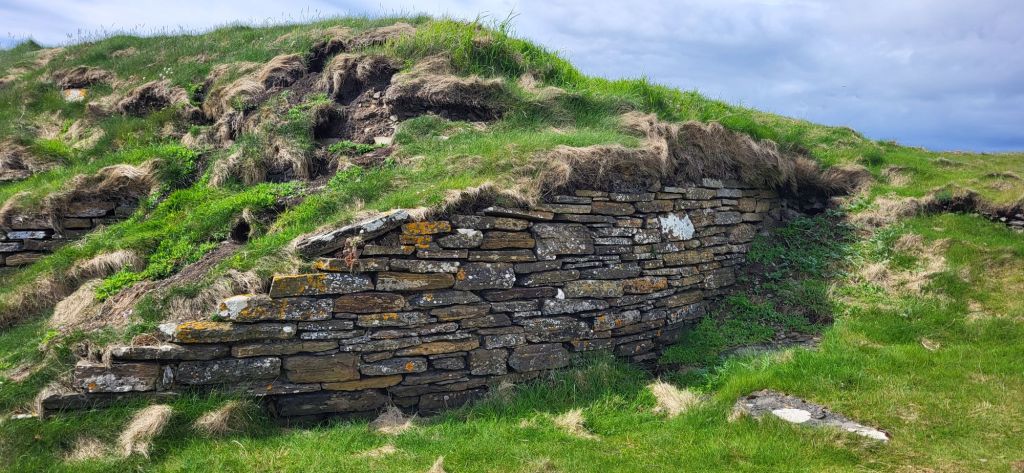
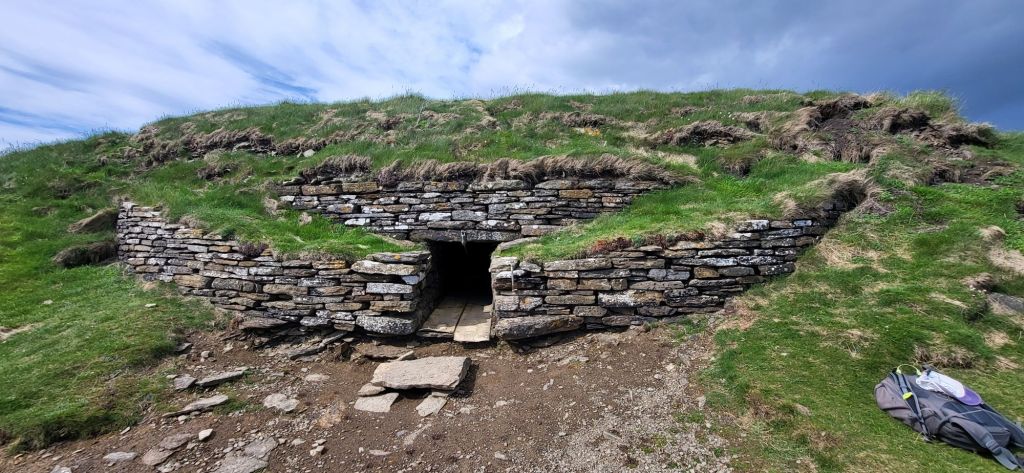
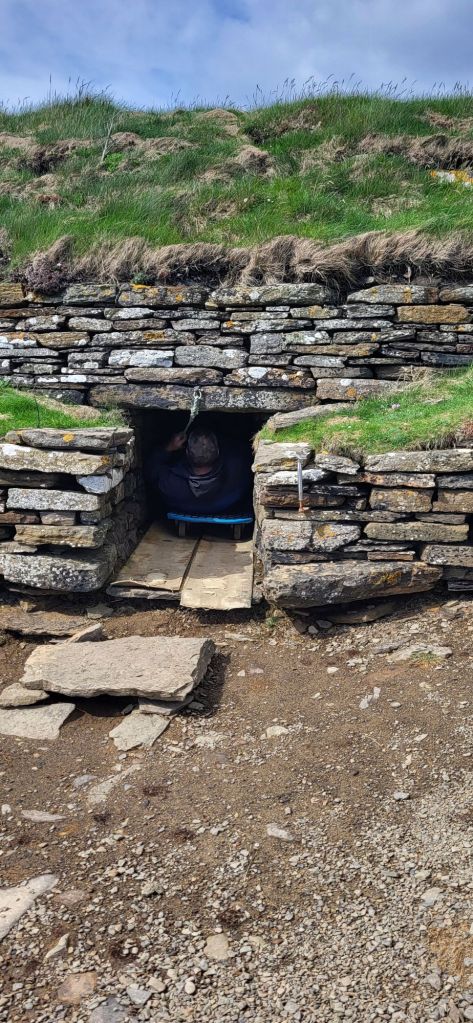
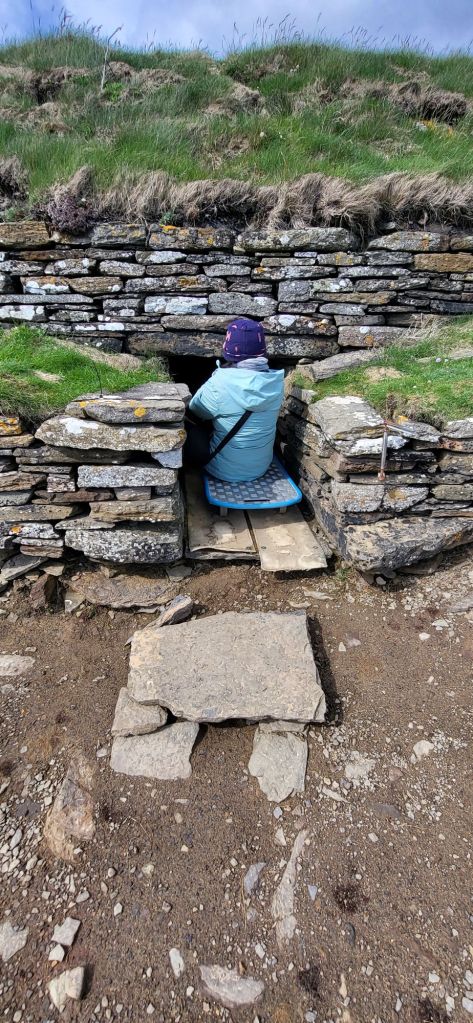
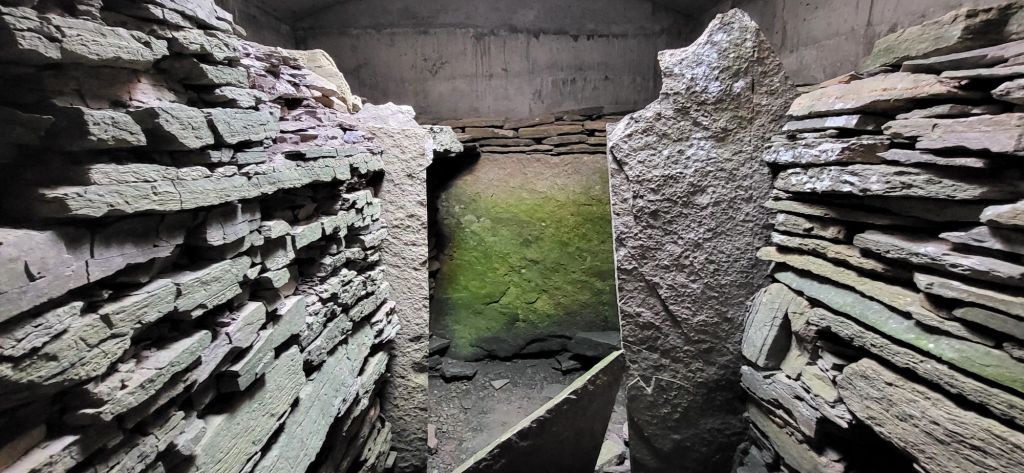
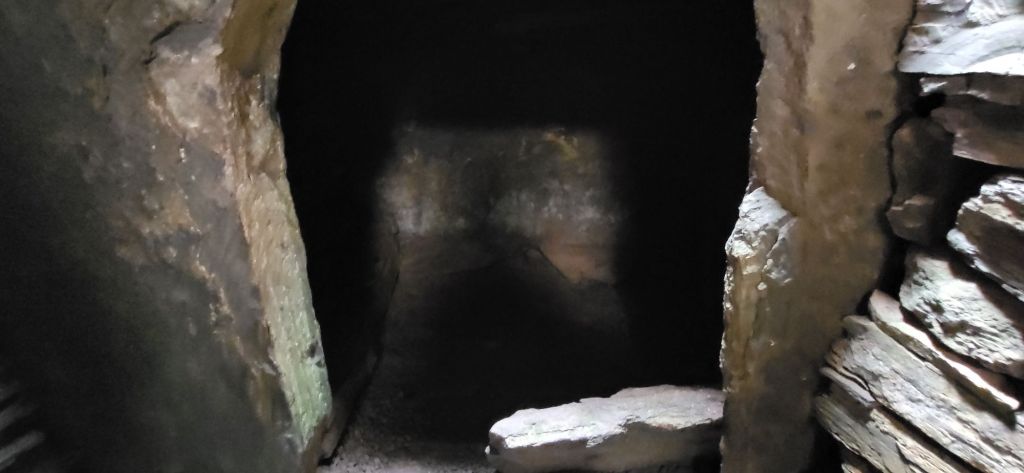
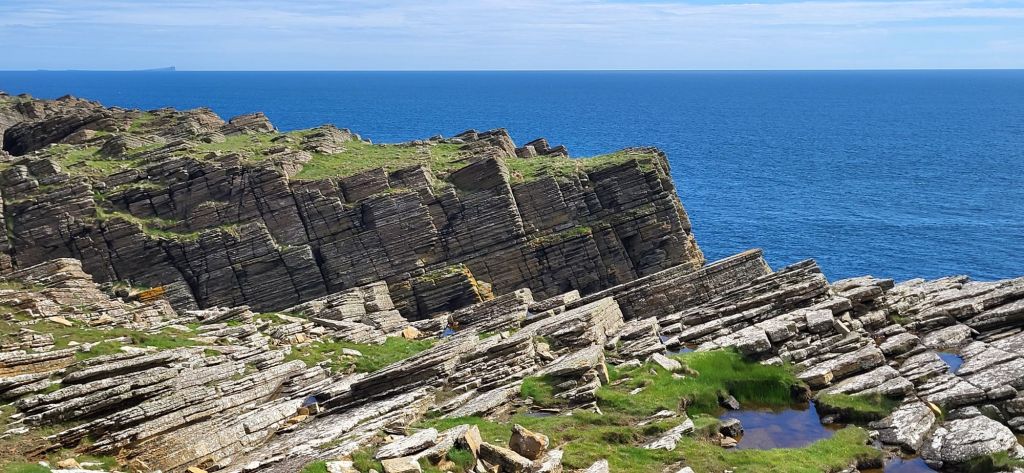
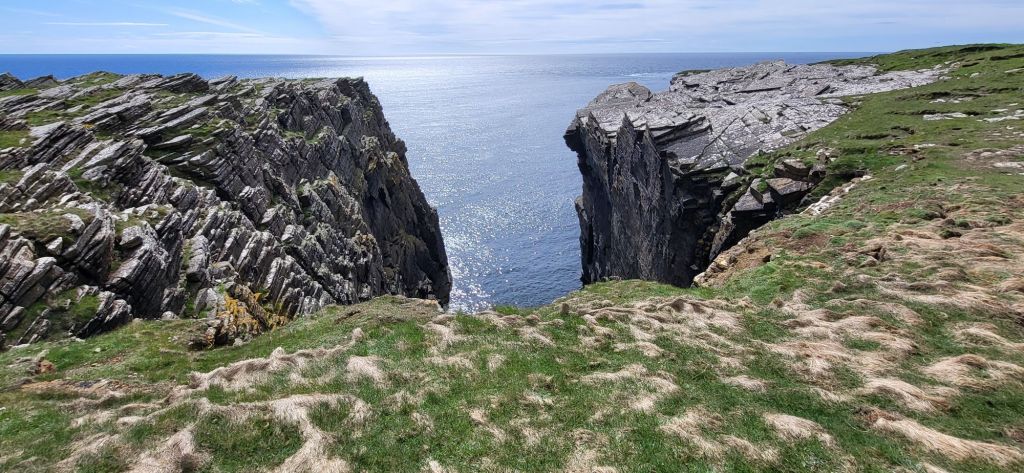
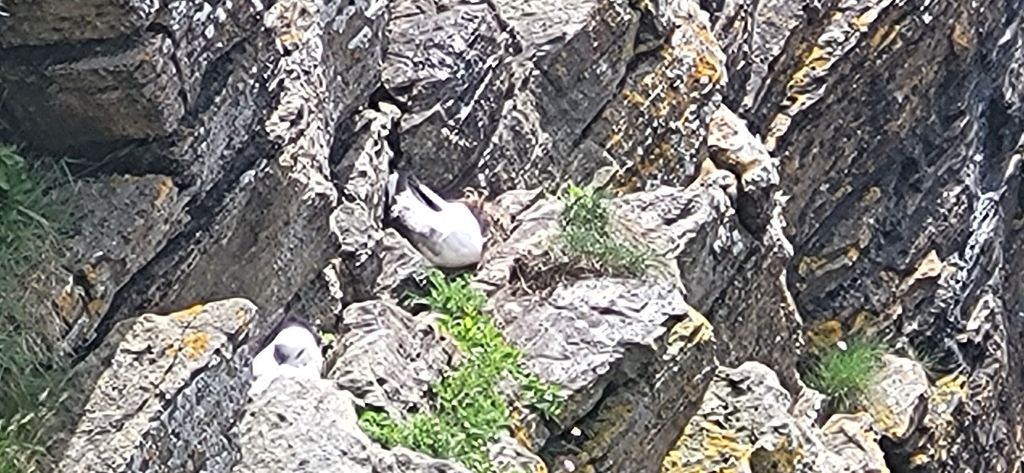
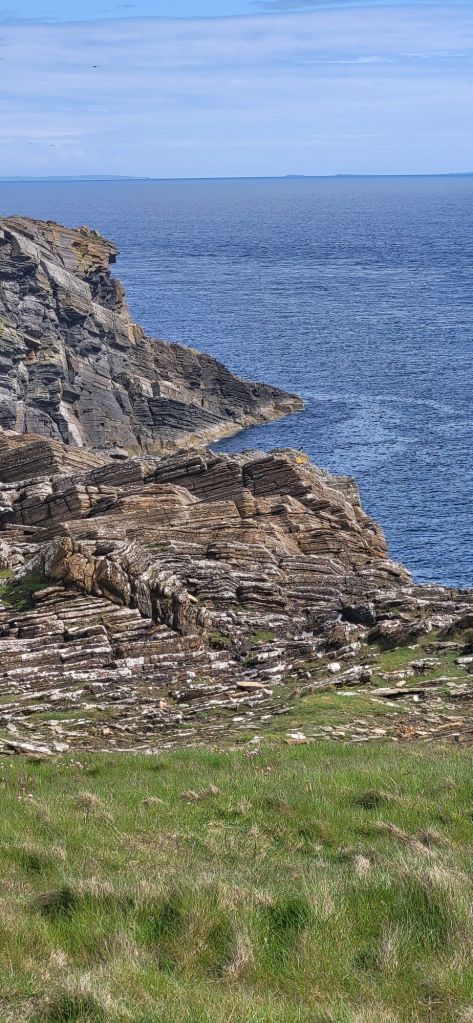
The surrounding coastline is composed of flagstone sedimentary rock, stacked and fractured into dramatic shapes, with thousands of seabirds nesting in the ledges.
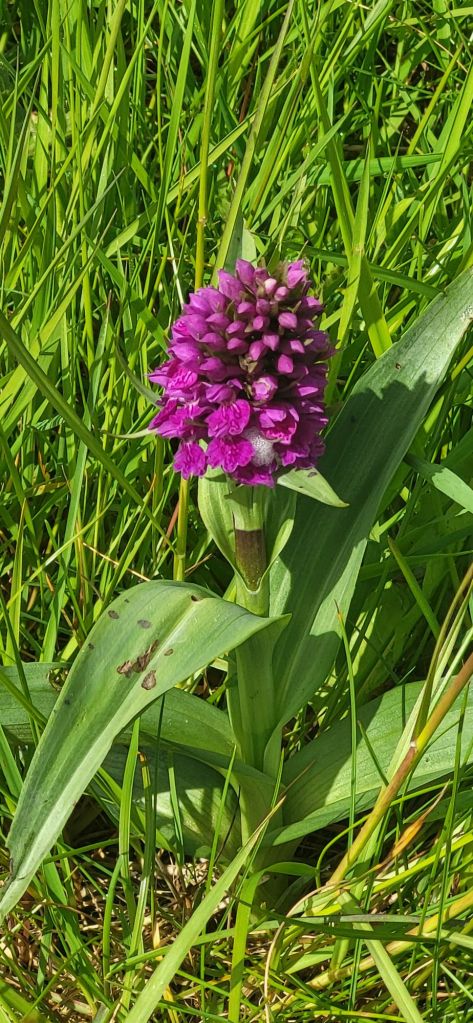
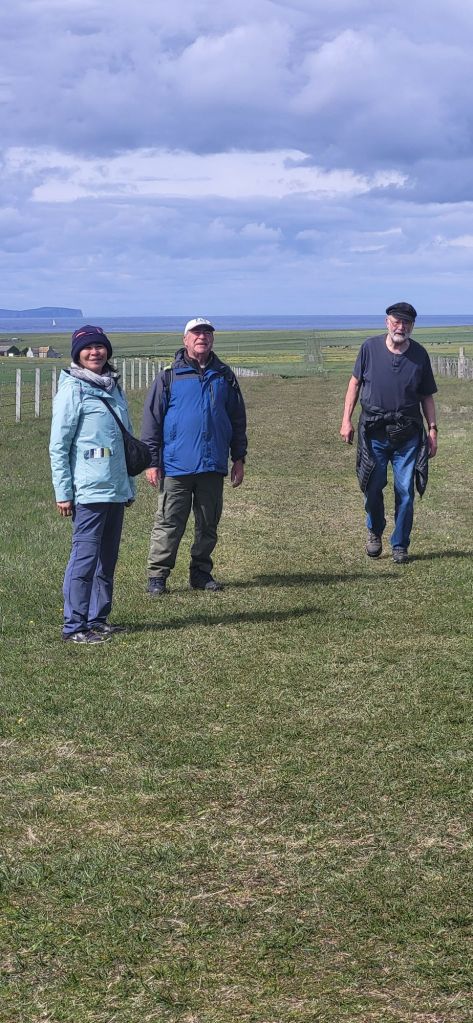
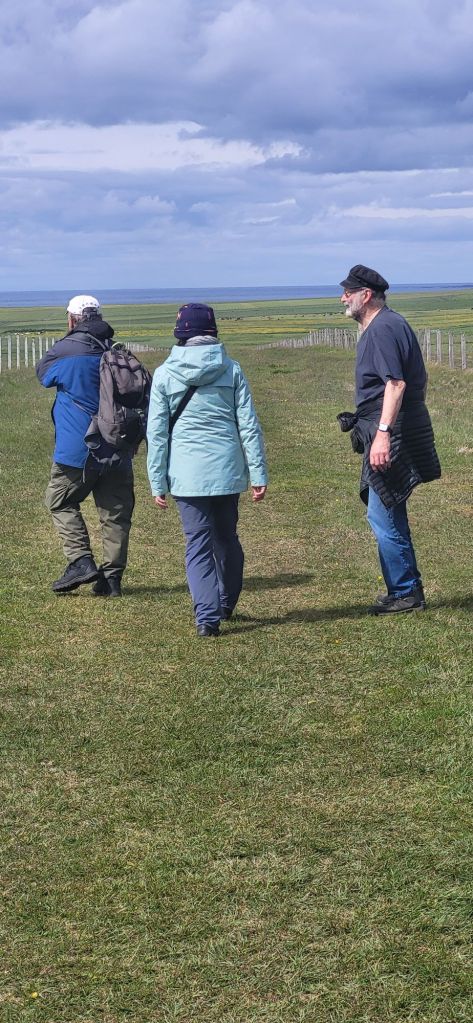
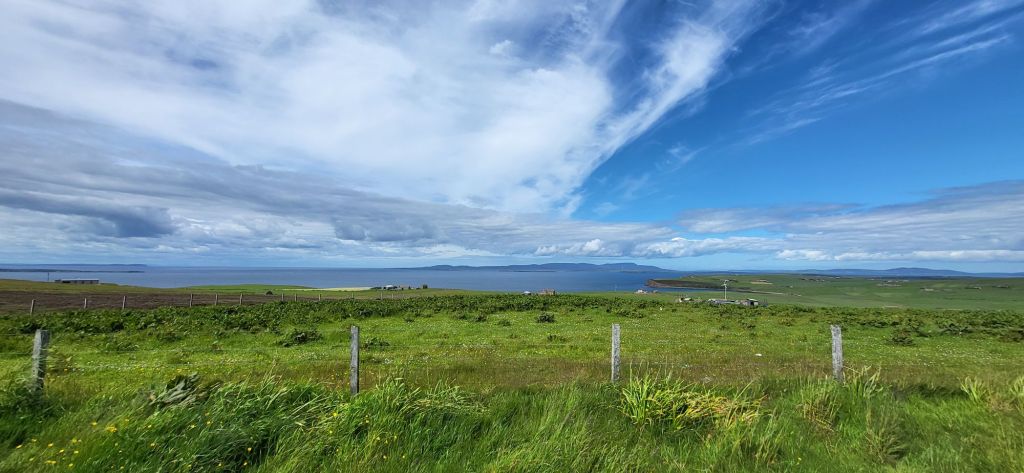
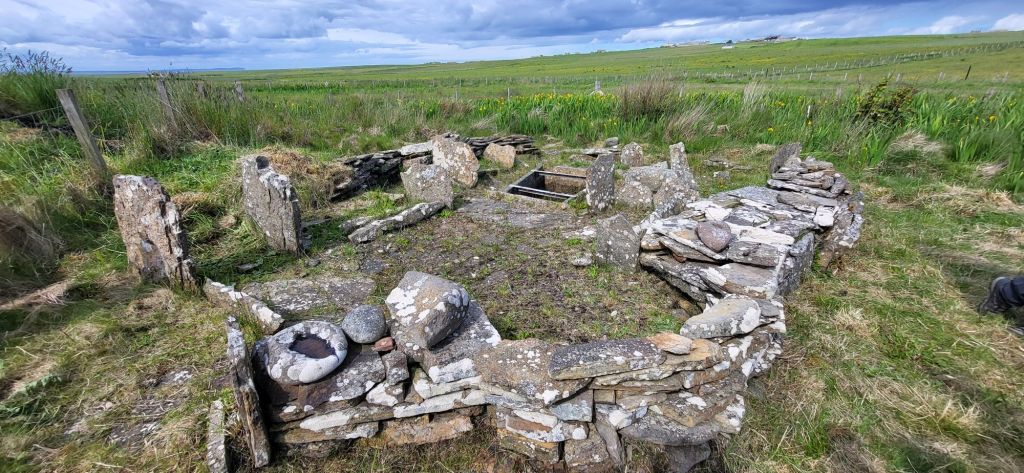
Close by, a further Mesolithic site known as a Burnt Mound, a place where stones were heated to red heat and plunged into water-filled tanks. What for, precisely, remains a matter of some debate…tannery, sauna, communal bathing, large-scale cooking. What strikes us more forcefully, standing there in the wind, is simply the act of touching stones handled daily by ordinary people going about the ordinary business of their lives, four or five thousand years ago. There is something in that which no interpretation board quite captures.
The visitor centre and site are now run by the community, combining paid staff and volunteers in a model that appears to work with real efficiency and pride. It is a reminder that the Orcadian way of doing things, local and collaborative is not merely a romantic notion. It is a practical reality.
We say farewell to Alan with real warmth and a great deal of new local knowledge, and sail back to Stromness on a wind that has, surprisingly helpfully, swung precisely 180 degrees and placed itself neatly behind us for the return. Scapa Flow again, glorious and unhurried.
Back in Stromness, we find ourselves, once again, quietly astonished by these islands.


Special people are Alan and Cindy – though Ian says he would never want to sail again with him!!! Haha xx
LikeLike